
Gå ubegrenset med Magzter GOLD
Få ubegrenset tilgang til over 9000 magasiner, aviser og premiumhistorier for bare
Churn under sea
Down To Earth
|September 01, 2022
SEAFLOOR SPREADING, CAUSED BY AN UPWELLING OF MAGMA, HAS LED TO EPISODES OF GLOBAL WARMING IN THE GEOLOGIC PAST. THE SPREAD RATE HAS SLOWED DOWN IN LAST 19 MILLION YEARS, BUT COULD GATHER MOMENTUM

LIFE ON Earth began 3.5 billion years ago. But the life as we know it was shaped in the Cenozoic epoch, which began only 66 million years ago and continues to this day. During this period, mammals, insects, birds and flowering plants flourished on land, while fish, corals and molluscs thrived in the ocean.
Earth transitioned from a hothouse with no glaciers to a cooler one with ice sheets at the poles. However, between 14 and 17 million years ago, known as the Miocene Climatic Optimum (MCO) period, temperatures soared (around 10°C higher than today) and carbon dioxide (CO₂) levels rose to 1,000 parts per million (PPM) against the current 419 PPM, leading to the disappearance of glacial masses and several species.
Several such episodes of global warming in the past have always baffled scientists. Humans were not responsible for this warming as they arrived about 15 million years after MCO, Timothy Herbert, a scientist at Brown University, tells Down To Earth (DTE). So what triggered these changes? Understanding these factors is important at a time when human activities are already spewing greenhouse gases into the atmosphere, pushing the planet towards a climate tipping point.


Denne historien er fra September 01, 2022-utgaven av Down To Earth.
Abonner på Magzter GOLD for å få tilgang til tusenvis av kuraterte premiumhistorier og over 9000 magasiner og aviser.
Allerede abonnent? Logg på
FLERE HISTORIER FRA Down To Earth
Down To Earth
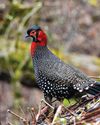
KING OF BIRDS
Revered for centuries, western tragopan now needs protection as its forests shrink, human pressures mount

3 mins
December 16, 2025

Down To Earth
WHISKERS ALL AQUIVER
Climate change threatens creatures that have weathered extreme environments for thousands of years
2 mins
December 16, 2025

Down To Earth
GOLDEN SPIRIT
Survival of the shy primate is closely tied to the health of Western Ghats
3 mins
December 16, 2025

Down To Earth
RINGED EYES IN THE CANOPY
Rapid habitat destruction forces arboreal langur to alter habits
2 mins
December 16, 2025

Down To Earth
HANGING BY THE CLIFF
The Himalaya's rarest wild goat is on the brink of local extinction
2 mins
December 16, 2025

Down To Earth
ANGEL OF THE BEAS
Conservation reserves, citizen science, and habitat protection give the Indus River dolphin a fighting chance in India
2 mins
December 16, 2025

Down To Earth
UNDER MOONLIT SCRUB
Survival of this hidden guardian tells us whether our scrublands still breathe
2 mins
December 16, 2025
Down To Earth
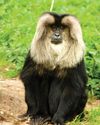
SYMBOL OF SILENT VALLEY
Lion-tailed macaque remains vulnerable despite past victories
2 mins
December 16, 2025

Down To Earth
THE APE IN OUR STORIES
India's only non-human ape species is a cultural icon threatened by forest fragmentation
2 mins
December 16, 2025
Down To Earth
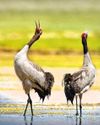
SENTINEL OF THE HIGH COLD DESERT
The bird's evocative call may not continue to roll across the cold desert valley for long
3 mins
December 16, 2025
Translate
Change font size