
Gå ubegrenset med Magzter GOLD
Få ubegrenset tilgang til over 9000 magasiner, aviser og premiumhistorier for bare
The Royal Observatory Greenwich An untold history
BBC Sky at Night Magazine
|August 2025
As it celebrates its 350th anniversary, Emily Winterburn uncovers some of the hidden figures - from instrument-makers to YouTubers - behind one of the world's earliest official astronomy institutions
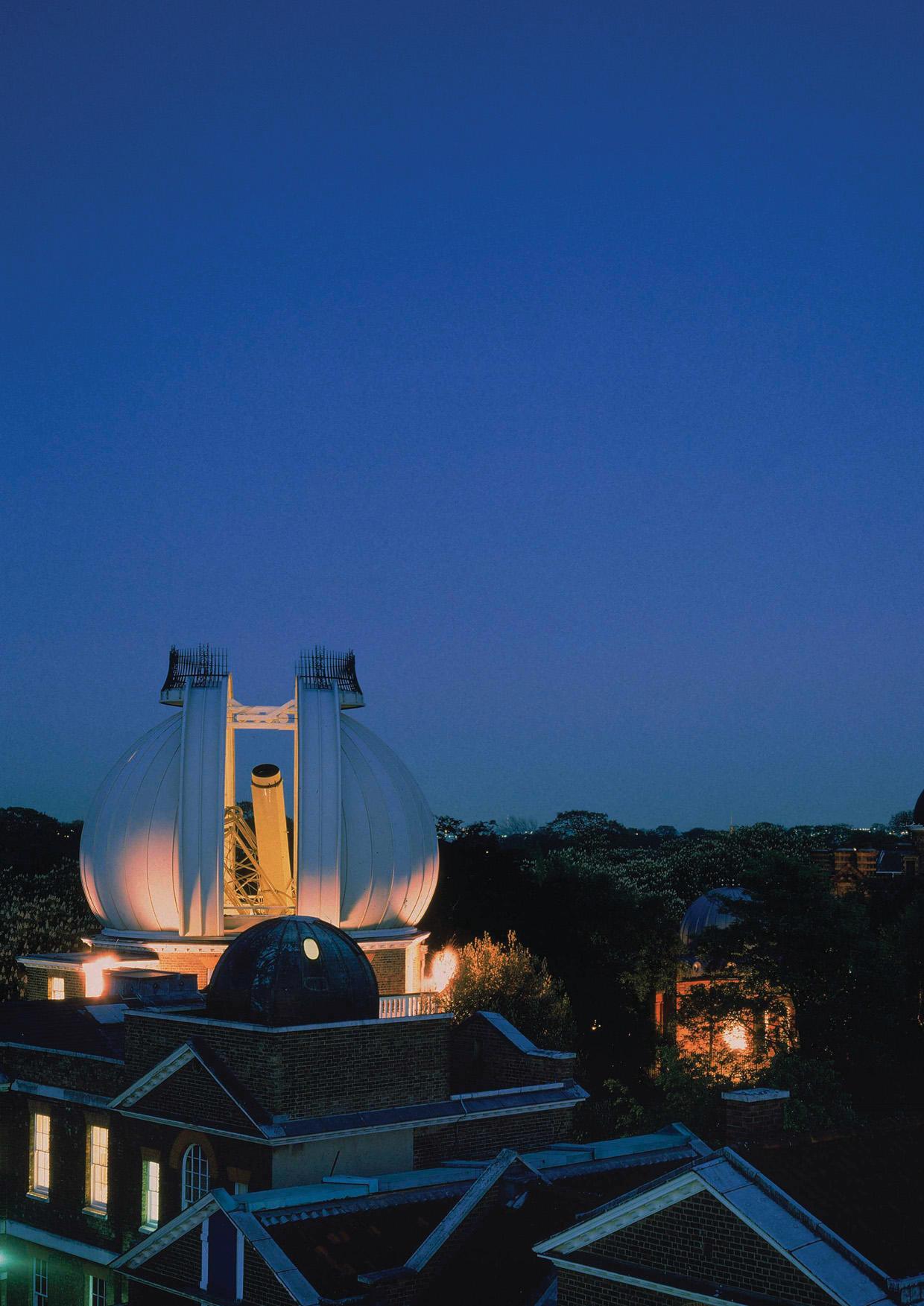
This month marks the 350th anniversary of the Royal Observatory Greenwich, a cornerstone of modern astronomical science.
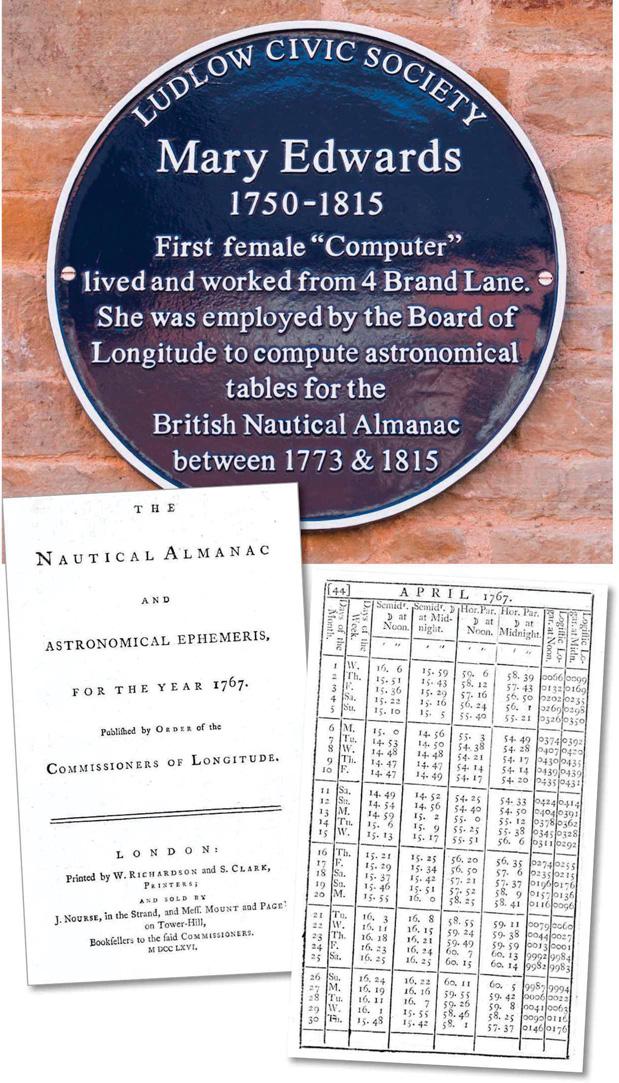
Founded in 1675, this grand institution is known as the home of Greenwich Mean Time and Prime Meridian, where visitors flock to stand astride the line marking 0° longitude. While the spotlight often falls on those at the top, the Astronomers Royal, the Observatory’s legacy has also been shaped by a host of unsung others: instrument-makers, observers, human ‘computers’ and civil servants whose work underpins centuries of scientific discovery. To mark the anniversary, we take an alternative look at the Royal Observatory and some of those who have shaped its remarkable history.
Abraham Sharp (c1653-1742)
We begin our story not with John Flamsteed, the first Astronomer Royal, but with his instrument-maker Abraham Sharp. The son of a wool merchant, Sharp grew up in Bradford, northern England, and attended Bradford Grammar School. His career began at first as a schoolteacher and writer on mathematics in Liverpool, after which he moved to London where he encountered various mathematicians at the city’s coffee houses – the favourite place for discussion and intellectual exchanges before the growth of learned societies. It was here that he came to the attention of Flamsteed, who invited Sharp to join him at the Royal Observatory in 1684.

Denne historien er fra August 2025-utgaven av BBC Sky at Night Magazine.
Abonner på Magzter GOLD for å få tilgang til tusenvis av kuraterte premiumhistorier og over 9000 magasiner og aviser.
Allerede abonnent? Logg på
FLERE HISTORIER FRA BBC Sky at Night Magazine
BBC Sky at Night Magazine
MOONWATCH
January's top lunar feature to observe

2 mins
January 2026
BBC Sky at Night Magazine
Speed up your processing workflow
How to use Photoshop's Actions tool to drastically cut your processing time
3 mins
January 2026
BBC Sky at Night Magazine
Chasing Canada's polar lights
With solar maximum peaking and a new Moon promising dark skies, Jamie Carter travels to Churchill, Manitoba to hunt the Northern Lights - and dodge polar bears – in Canada's far north
7 mins
January 2026
BBC Sky at Night Magazine
Beyond Pluto: The search for the hidden planets
Could one – or even two - undiscovered planets lurk at the edges of our Solar System? Nicky Jenner explores how close we are to finding the elusive 'Planet 9'
6 mins
January 2026
BBC Sky at Night Magazine
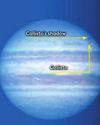
Jupiter moon events
Jupiter is a magnificent planet to observe.
2 mins
January 2026
BBC Sky at Night Magazine
What samples from space have taught us
Alastair Gunn explains what scientists have learnt in the 20 years since the first unmanned mission brought materials back from alien worlds
3 mins
January 2026
BBC Sky at Night Magazine
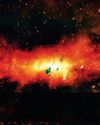
The Milky Way as you've never seen it before
This is the largest low-frequency radio colour image of our Galaxy ever assembled
1 min
January 2026
BBC Sky at Night Magazine
Merger of ‘impossibly' massive black holes explained
Scientists discover how enormous, fast-spinning black holes can exist after all
1 mins
January 2026
BBC Sky at Night Magazine
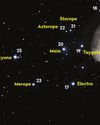
Lunar occultation of the Pleiades
BEST TIME TO SEE: 27 January from 20:30 UT
1 min
January 2026
BBC Sky at Night Magazine
The Universe's expansion may be slowing down
New study suggests current theories of dark energy could be wrong
1 mins
January 2026
Listen
Translate
Change font size