
Gå ubegrenset med Magzter GOLD
Få ubegrenset tilgang til over 9000 magasiner, aviser og premiumhistorier for bare
The mystery of Messier 102
BBC Sky at Night Magazine
|September 2025
Deep within the popular Messier Catalogue of deep-sky objects lies an enigma. Mark Hardaker investigates the curious case of M102
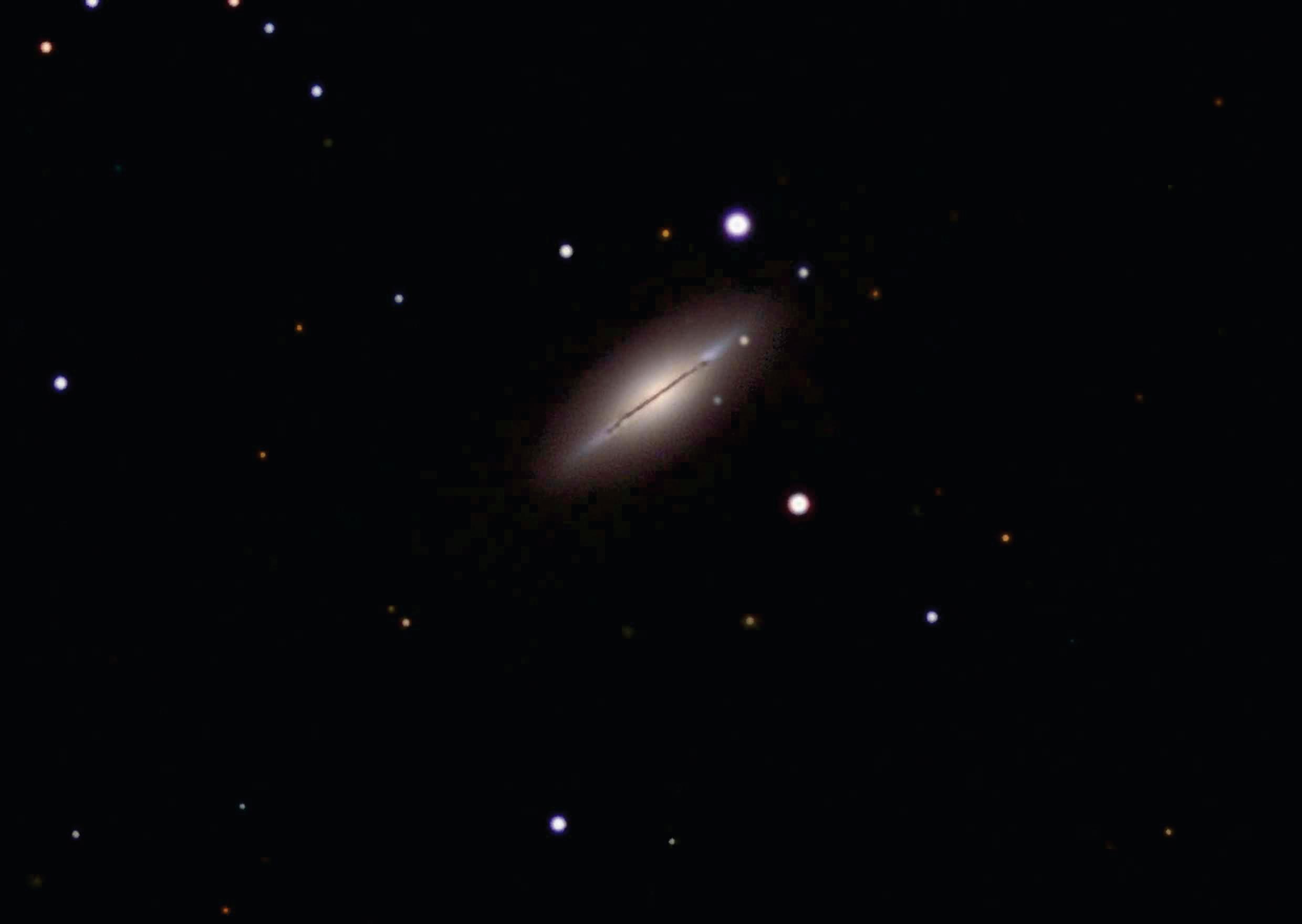
The Messier Catalogue is one of the most well-known collections of astronomical objects.
Compiled in the 18th century by French astronomer and avid comet hunter Charles Messier as a quick reference of non-cometary bodies he could ignore, today it serves as a comprehensive list of some of the deep sky's most alluring objects to observe.
 Among its entries are various nebulae, star clusters and galaxies, but one entry in particular, Messier 102 (or M102), has sparked considerable controversy and debate within the astronomical community.
M102 was originally recorded by Messier's assistant Pierre Méchain in spring 1781. Méchain made many of the discoveries in the catalogue, which Messier usually confirmed before recording. However, under pressure to publish in the annual French almanac Connaissance des Temps, Messier entered M102 without a position, though he later pencilled one in his personal copy.
The entry for M102 reads: "102. Nebula between the stars Omicron Boötis and Iota Draconis: it is very faint, near it is a star of sixth magnitude."
But that's where the certainty ends. In 1783, Méchain wrote to astronomer Johann Bernoulli III in Berlin, claiming that his original observation was incorrect and that he had simply made a duplicate observation of nearby M101. In short, there was no M102.
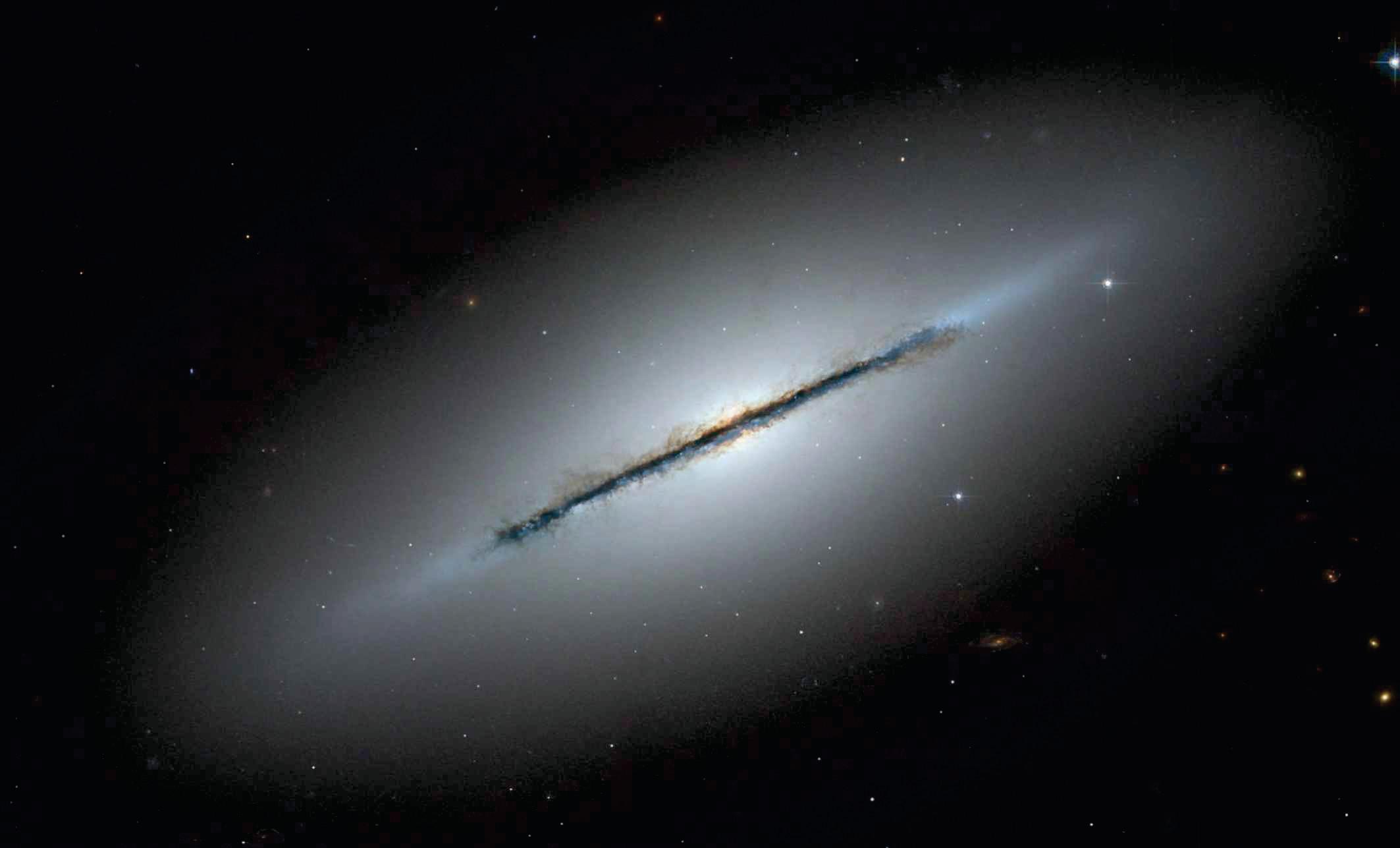 This ambiguity has prompted a long-standing debate: is M102 simply an erroneous duplicate of M101, or is it another celestial body entirely that has yet to be accurately identified?

Denne historien er fra September 2025-utgaven av BBC Sky at Night Magazine.
Abonner på Magzter GOLD for å få tilgang til tusenvis av kuraterte premiumhistorier og over 9000 magasiner og aviser.
Allerede abonnent? Logg på
FLERE HISTORIER FRA BBC Sky at Night Magazine
BBC Sky at Night Magazine
MOONWATCH
January's top lunar feature to observe

2 mins
January 2026
BBC Sky at Night Magazine
Speed up your processing workflow
How to use Photoshop's Actions tool to drastically cut your processing time
3 mins
January 2026
BBC Sky at Night Magazine
Chasing Canada's polar lights
With solar maximum peaking and a new Moon promising dark skies, Jamie Carter travels to Churchill, Manitoba to hunt the Northern Lights - and dodge polar bears – in Canada's far north
7 mins
January 2026
BBC Sky at Night Magazine
Beyond Pluto: The search for the hidden planets
Could one – or even two - undiscovered planets lurk at the edges of our Solar System? Nicky Jenner explores how close we are to finding the elusive 'Planet 9'
6 mins
January 2026
BBC Sky at Night Magazine
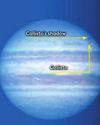
Jupiter moon events
Jupiter is a magnificent planet to observe.
2 mins
January 2026

BBC Sky at Night Magazine
What samples from space have taught us
Alastair Gunn explains what scientists have learnt in the 20 years since the first unmanned mission brought materials back from alien worlds
3 mins
January 2026
BBC Sky at Night Magazine
The Milky Way as you've never seen it before
This is the largest low-frequency radio colour image of our Galaxy ever assembled
1 min
January 2026
BBC Sky at Night Magazine
Merger of ‘impossibly' massive black holes explained
Scientists discover how enormous, fast-spinning black holes can exist after all
1 mins
January 2026
BBC Sky at Night Magazine
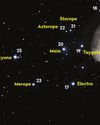
Lunar occultation of the Pleiades
BEST TIME TO SEE: 27 January from 20:30 UT
1 min
January 2026
BBC Sky at Night Magazine
The Universe's expansion may be slowing down
New study suggests current theories of dark energy could be wrong
1 mins
January 2026
Listen
Translate
Change font size