
Gå ubegrenset med Magzter GOLD
Få ubegrenset tilgang til over 9000 magasiner, aviser og premiumhistorier for bare
Pegasus Astro NYX-88 harmonic gear mount
BBC Sky at Night Magazine
|August 2025
This sturdy yet light mount delivers near-flawless, reliable, on-the-button accuracy
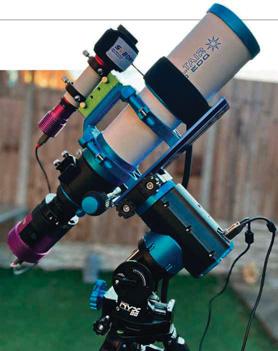
The NYX-88 from Greece-based Pegasus Astro is a compact harmonic drive mount, named after the Greek goddess of the night. It's the smaller sibling to the NYX-101 and weighs just 5kg, supporting payloads up to 14kg without the need for counterweights, or 20kg with them. We were curious to see if it was as versatile as its specifications suggested.
The NYX-88 arrived in a padded carry bag, with its accessories neatly organised for travel. The head itself felt robust, thanks to its finely machined aluminium alloy construction. We also received the optional Pegasus carbon-fibre tripod for review, which is both lightweight and reassuringly sturdy. Featuring rubber feet and metal spikes, we quickly found it stayed firmly put on any surface.
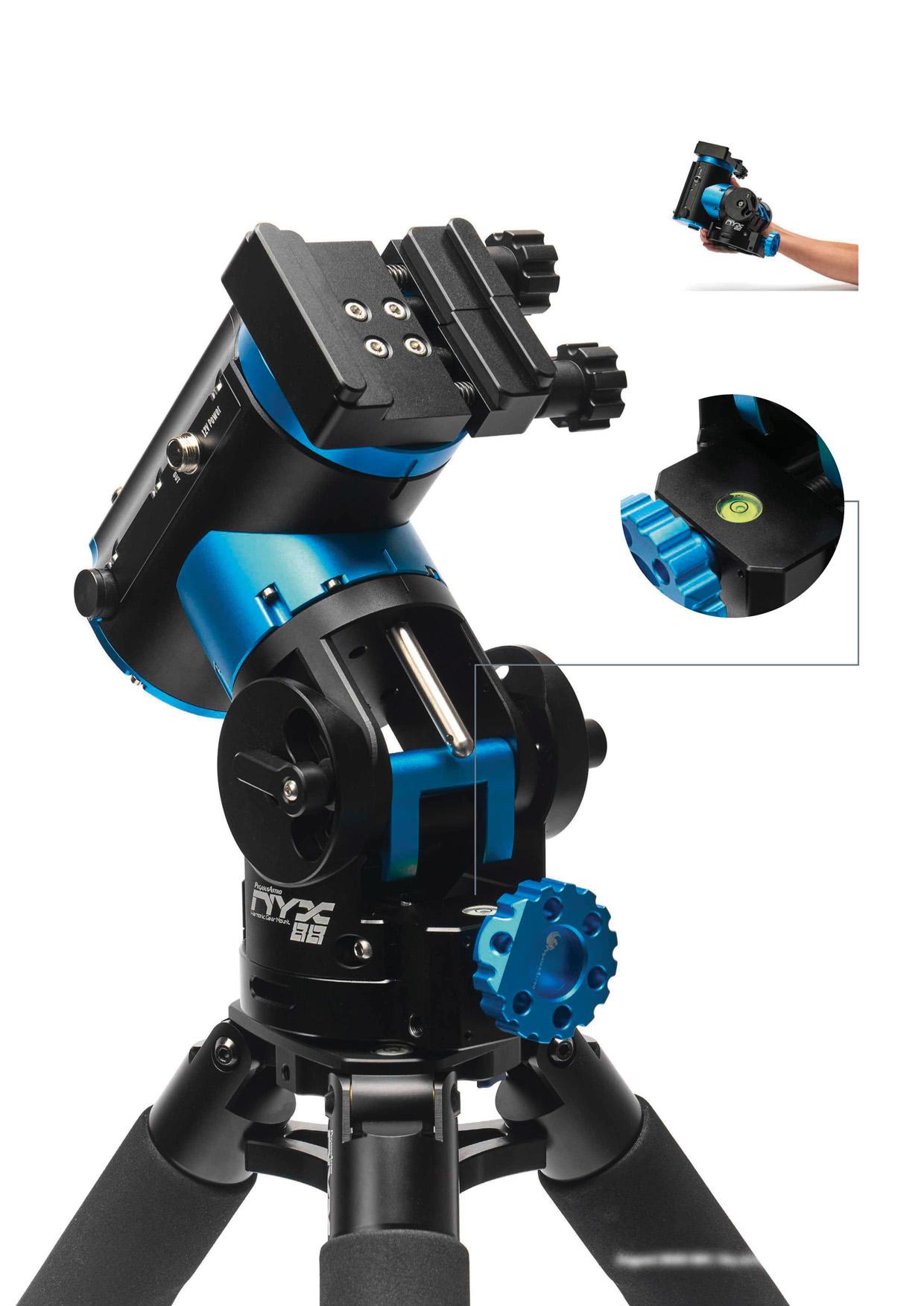 Dual saddle
 The mount is configured to securely accommodate both Losmandy and Vixen-style dovetail plates, which means it's versatile for a range of visual and imaging telescopes. The retaining bolts are reassuringly large and straightforward to tighten or loosen, even when wearing gloves during colder nights.
Bubble levels
A bubble level is thoughtfully integrated into the mount's design and is positioned to be clearly visible during the setup process. This practical feature makes it easy to achieve a perfectly level platform before starting your stargazing session, ensuring optimal stability and tracking performance right from the start.
Azimuth/ latitude bolts
Polar alignment is made beautifully simple with the inclusion of generously sized adjustment bolts, which are easy to locate and operate even in low-light conditions. This thoughtful design feature greatly enhances usability under dark skies, enabling quick, precise adjustments without unnecessary fumbling.

Denne historien er fra August 2025-utgaven av BBC Sky at Night Magazine.
Abonner på Magzter GOLD for å få tilgang til tusenvis av kuraterte premiumhistorier og over 9000 magasiner og aviser.
Allerede abonnent? Logg på
FLERE HISTORIER FRA BBC Sky at Night Magazine
BBC Sky at Night Magazine
MOONWATCH
January's top lunar feature to observe

2 mins
January 2026
BBC Sky at Night Magazine
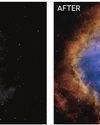
Speed up your processing workflow
How to use Photoshop's Actions tool to drastically cut your processing time
3 mins
January 2026
BBC Sky at Night Magazine
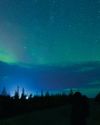
Chasing Canada's polar lights
With solar maximum peaking and a new Moon promising dark skies, Jamie Carter travels to Churchill, Manitoba to hunt the Northern Lights - and dodge polar bears – in Canada's far north
7 mins
January 2026

BBC Sky at Night Magazine
Beyond Pluto: The search for the hidden planets
Could one – or even two - undiscovered planets lurk at the edges of our Solar System? Nicky Jenner explores how close we are to finding the elusive 'Planet 9'
6 mins
January 2026
BBC Sky at Night Magazine
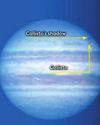
Jupiter moon events
Jupiter is a magnificent planet to observe.
2 mins
January 2026

BBC Sky at Night Magazine
What samples from space have taught us
Alastair Gunn explains what scientists have learnt in the 20 years since the first unmanned mission brought materials back from alien worlds
3 mins
January 2026
BBC Sky at Night Magazine
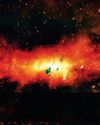
The Milky Way as you've never seen it before
This is the largest low-frequency radio colour image of our Galaxy ever assembled
1 min
January 2026
BBC Sky at Night Magazine
Merger of ‘impossibly' massive black holes explained
Scientists discover how enormous, fast-spinning black holes can exist after all
1 mins
January 2026
BBC Sky at Night Magazine
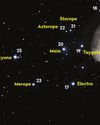
Lunar occultation of the Pleiades
BEST TIME TO SEE: 27 January from 20:30 UT
1 min
January 2026
BBC Sky at Night Magazine
The Universe's expansion may be slowing down
New study suggests current theories of dark energy could be wrong
1 mins
January 2026
Listen
Translate
Change font size