
Gå ubegrenset med Magzter GOLD
Få ubegrenset tilgang til over 9000 magasiner, aviser og premiumhistorier for bare
Prøve GULL - Gratis
WHAT ARE SOME OF THE SPOOKIEST EXPERIMENTS WE'VE EVER DONE?
BBC Science Focus
|October 2025
Although science often advances through tried-and-tested methods, sometimes scientists have to find creative ways to test their hypotheses. Here are five of the wackiest science experiments ever conducted...
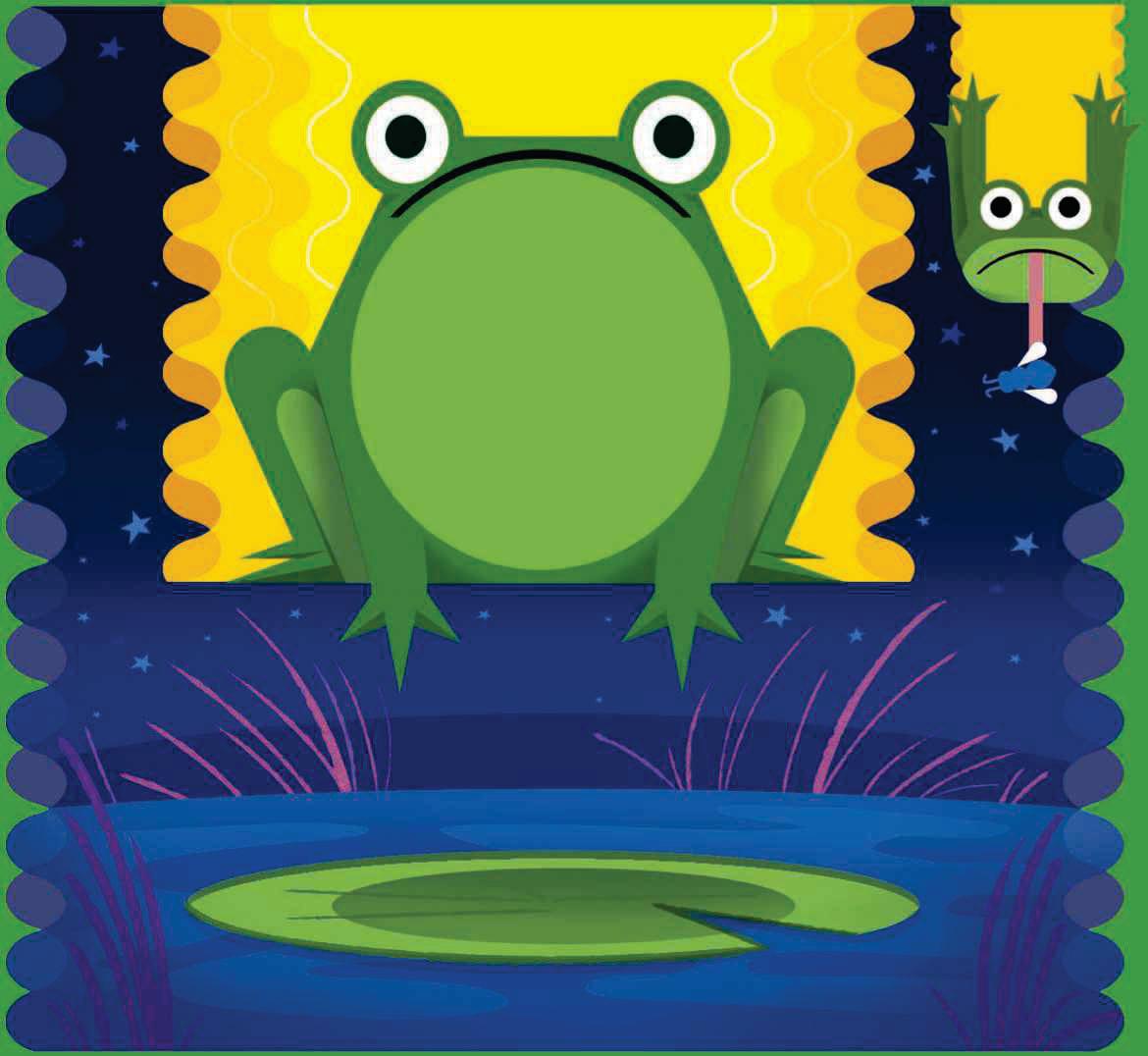
LEVITATING FROGS
Everything has its own magnetic field, however small. This means that, theoretically, any object would be repelled by a sufficiently strong magnet. Scientists dramatically demonstrated this fact in 1997, when they used a high-powered magnet to levitate a live frog. The frog was unharmed by the experience, but research into this phenomenon (called 'diamagnetic levitation') has many potential applications, from medical imaging to space technology.
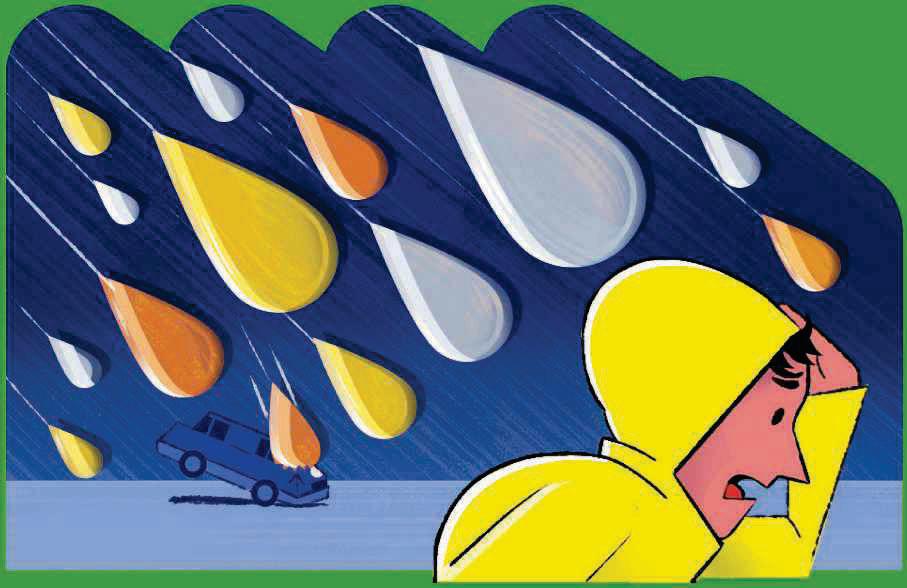 TURNING WATER INTO METAL
Ancient alchemists would have marvelled at this 2021 experiment, which briefly turned water into a shiny, metallic substance.
Metals conduct electricity because they contain 'free electrons', which aren't bound to an atom. In contrast, pure water isn't conductive because the electrons are tightly bound to their atoms. Theoretically, water is conductive under extremely high pressure, because the molecules are squished together, creating an overlap between their outer electron orbits.

Denne historien er fra October 2025-utgaven av BBC Science Focus.
Abonner på Magzter GOLD for å få tilgang til tusenvis av kuraterte premiumhistorier og over 9000 magasiner og aviser.
Allerede abonnent? Logg på
FLERE HISTORIER FRA BBC Science Focus

BBC Science Focus
HEALTH: Eating oats could lower your cholesterol in just two days
The health benefits of a two-day porridge diet lasted for weeks afterwards

1 mins
April 2026

BBC Science Focus
Most people are too sure they can identify fake human faces
Even 'super recognisers' struggle with the challenge. Can you do better?
1 min
April 2026

BBC Science Focus
WHAT'S THE WORST THING YOU CAN DO FOR THE PLANET ONLINE?
Human beings can barely move a muscle without some kind of deleterious effect on the environment around us.
2 mins
April 2026
BBC Science Focus
A bug in the system
The complex arrangement of equipment you see here is part of a particle accelerator.
1 min
April 2026
BBC Science Focus
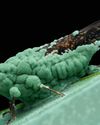
Snug as a bug in a rug
At first glance, you might feel envious of this little leafhopper, swaddled beneath the folds of what appears to be a luxurious fur blanket.
1 min
April 2026

BBC Science Focus
WHY DO WE ROOT FOR THE VILLAIN IN MOVIES?
Whether it's Darth Vader or Cruella de Vil, we all have a favourite movie villain.
1 mins
April 2026

BBC Science Focus
A TURN TO DISPERSE
Why a fart walk after dinner does more than release your gas
3 mins
April 2026
BBC Science Focus
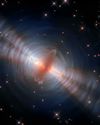
Hatching a nebula
Welcome to the Egg Nebula, an enigmatic structure formed by ejected stardust in the Cygnus constellation around 1,000 light-years from Earth.
1 min
April 2026

BBC Science Focus
7 TIMES AI GOT IT SPECTACULARLY WRONG
For the past four years, AI has been reshaping how we work and live. But its failures are proving just as transformative as its triumphs
8 mins
April 2026
BBC Science Focus
CHARLES ADCOCK, VIA EMAIL: COULD DARK MATTER BE ALL AROUND PLANET EARTH BUT UNDETECTABLE?
Astronomers have gathered overwhelming evidence that 80 per cent of all matter in the Universe is invisible.
1 min
April 2026
Listen
Translate
Change font size