Prøve GULL - Gratis
THE HUNGER GAME
BBC Science Focus
|June 2024
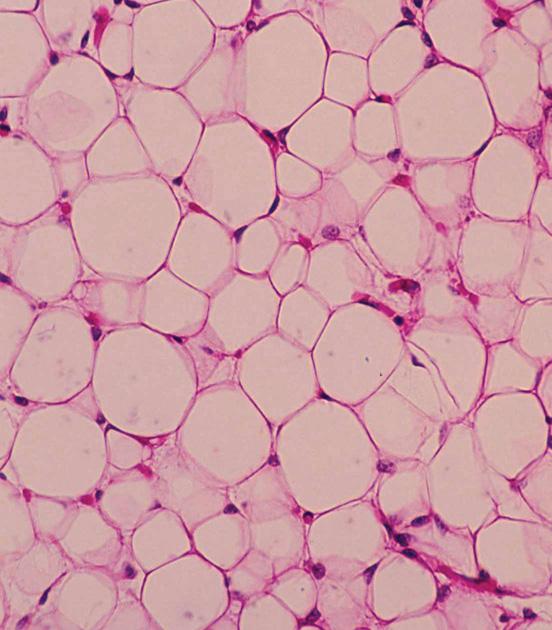
Obesity is on the rise, but as we blame our unhealthy food-ridden environment and look to wonder drugs to get rid of unwanted fat, what role do our genetics play?

Iam a geneticist, which, last time I checked, is a perfectly upstanding profession. I mean my mother-in-law still speaks to me, so that must be a good thing, right?
And yet, when I reveal that I study the genetics of body weight and that your genetics can be the driving cause of obesity, I become a bad person. I'm perceived as giving overweight or obese people terms I don't use in a pejorative fashion - an excuse.
This has always been an interesting take for me. If I were studying something else, like the genetics of cancer, dementia, arthritis or any other disease, would I suddenly be giving the people who are suffering from those conditions an excuse? I'd hope not. Instead, I hope that people would understand that I'm trying to understand biology and mechanisms, and, shocking I know, I might even be trying to help some of them.
IT'S IN THE GENES
When we talk about body weight, it's all too often considered to be a matter of lifestyle', a habit, a lack of willpower, a choice. The reality is that while rapid changes in our food environment and lifestyle have undoubtedly driven up the obesity figures worldwide, there are many people who are skinny and others who aren't. There's clearly a large variation in body weight, even in the 'obesogenic' environment we live in today (one that promotes weight gain). A large part of this, although by no means all, is down to genetics.

Denne historien er fra June 2024-utgaven av BBC Science Focus.
Abonner på Magzter GOLD for å få tilgang til tusenvis av kuraterte premiumhistorier og over 9000 magasiner og aviser.
Allerede abonnent? Logg på
FLERE HISTORIER FRA BBC Science Focus

BBC Science Focus
DOES MY DOG HAVE ADHD?
Officially, Attention-Deficit Hyperactivity Disorder (ADHD) is a human condition. People are diagnosed with it. Dogs are not. Yet many of its core features, including hyperactivity, impulsivity and distractibility, can be found in dogs.

1 min
March 2026

BBC Science Focus
DOES MY BRAIN LIVE A LITTLE IN THE PAST?
Yes, your brain does live a little in the past. It can't help it. The information it receives via your senses is always a little out of date. Whether it's light entering the retinas in your eyes, or sounds vibrating the hairs in your ears, it not only takes time for the data to arrive, but your brain then has to process it.
2 mins
March 2026

BBC Science Focus
ASTRONOMY FOR BEGINNERS
RETURN OF THE EVENING STAR (VENUS)
1 mins
March 2026

BBC Science Focus
CAN YOU STOP YOUR SENSE OF TASTE DULLING AS YOU AGE?
Sometimes I hear people say that food just doesn't taste the same as they get older. It's tempting to blame this on age, but there are other factors at play, too.
1 mins
March 2026
BBC Science Focus
MICROBIOMES OF THE SUPERAGERS
BY STUDYING THE INCREASING NUMBER OF PEOPLE WHO ARE LIVING BEYOND THEIR 100TH BIRTHDAYS, SCIENTISTS ARE DISCOVERING THAT THE SECRET TO REACHING A RIPE OLD AGE IN RUDE HEALTH MIGHT LIE IN OUR GUTS
8 mins
March 2026

BBC Science Focus
HOW BIG WERE MEDIEVAL WAR HORSES?
You might picture knights charging into battle on towering steeds, but medieval horses were typically no bigger than modern-day ponies.
1 min
March 2026
BBC Science Focus
FORCES OF HABIT
Could new research on setting up healthy habits resuscitate those stuttering New Year resolutions?
3 mins
March 2026

BBC Science Focus
5 DANGERS HIDING IN YOUR PROCESSED FOOD
We all know that ultra-processed foods are bad for us, but what ingredients should we particularly try to avoid? And what are they doing to our bodies?
9 mins
March 2026
BBC Science Focus
Mosquitoes are becoming thirstier for human blood
Habitat loss may be pushing mosquitoes towards human hosts with deadly consequences
1 mins
March 2026

BBC Science Focus
HOW CAN I GET OVER MY EX?
Relationship breakups can be brutal, just look at the popularity of songs like 'Someone Like You' by Adele, or all the covers of 'Cry Me a River' by Julie London.
1 mins
March 2026
Listen
Translate
Change font size