Prøve GULL - Gratis
DISCOVERIES
BBC Science Focus
|October 2022
Perseverance has discovered the largest cache of organic material ever found on the Red Planet.
-

MARS: PERSEVERANCE ROVER DISCOVERS MORE ORGANIC MATERIAL ON MARS THAN EVER BEFORE
The rover collected samples from an area where scientists think life could have thrived on ancient Mars
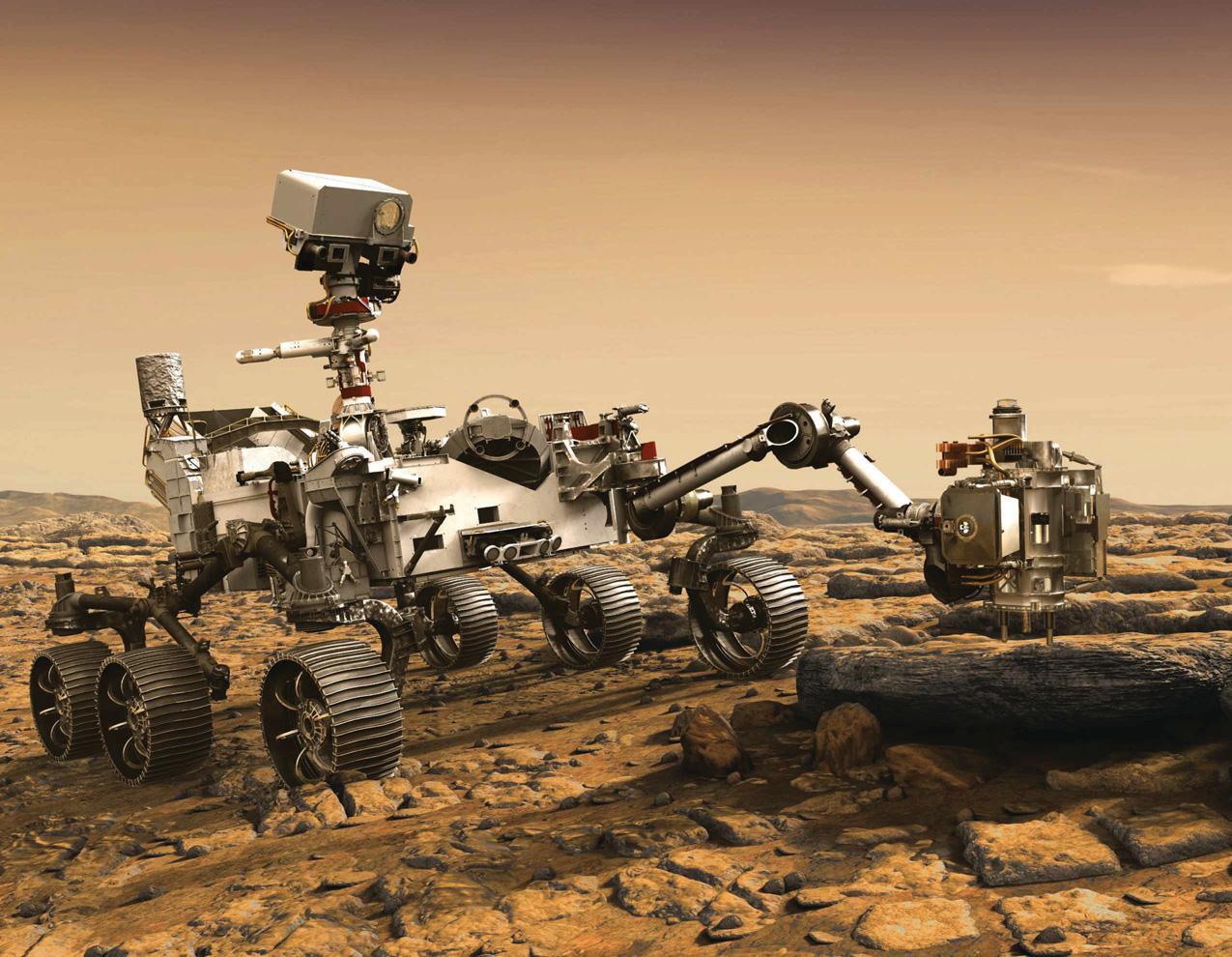
As part of its continuing exploration of an ancient Martian riverbed, NASA's Perseverance rover has collected some of the most promising samples yet in its ongoing search for signs of life on the Red Planet. Among them are several samples of sandstone and mudstone, collected from a one-meter-wide rocky outcrop named Wildcat Ridge that is packed with organic compounds - chemicals essential for life on Earth.
Perseverance has been trundling around an area known as the Jezero Crater since September 2021 and has so far collected 12 samples of rock.
All of the samples it collects over its two-year mission are scheduled to be brought back to Earth for analysis in 2033 as part of the Mars Sample Return mission.
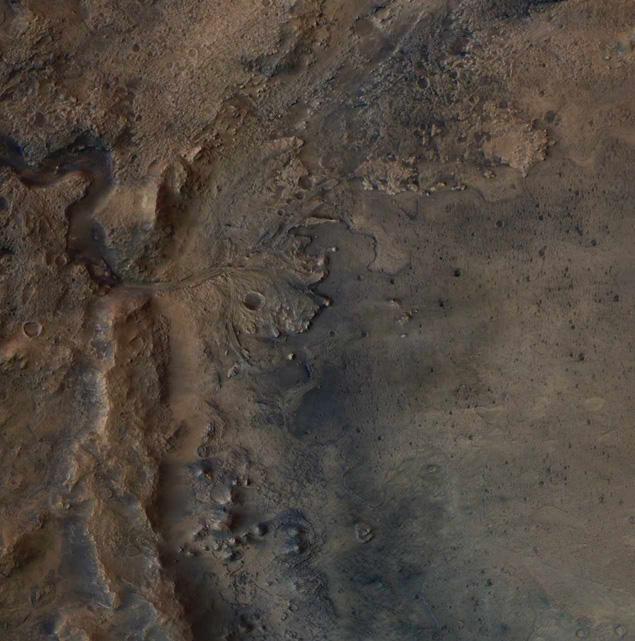
The Jezero Crater lies just north of the Martian equator. It is 45km wide and home to an ancient fan-shaped delta that formed about 3.5 billion years ago when rivers spilled over the crater walls and created a lake.
"We picked the Jezero Crater for Perseverance to explore because we thought it had the best chance of providing scientifically excellent samples - and now we know we sent the rover to the right location," said Dr Thomas Zurbuchen, NASA's associate administrator for science in Washington.
A preliminary analysis of the Wildcat Ridge samples was carried out by an instrument onboard Perseverance called Scanning Habitable Environments with Raman and Luminescence for Organics and Chemicals, or SHERLOC.


Denne historien er fra October 2022-utgaven av BBC Science Focus.
Abonner på Magzter GOLD for å få tilgang til tusenvis av kuraterte premiumhistorier og over 9000 magasiner og aviser.
Allerede abonnent? Logg på
FLERE HISTORIER FRA BBC Science Focus

BBC Science Focus
DOES MY DOG HAVE ADHD?
Officially, Attention-Deficit Hyperactivity Disorder (ADHD) is a human condition. People are diagnosed with it. Dogs are not. Yet many of its core features, including hyperactivity, impulsivity and distractibility, can be found in dogs.

1 min
March 2026

BBC Science Focus
DOES MY BRAIN LIVE A LITTLE IN THE PAST?
Yes, your brain does live a little in the past. It can't help it. The information it receives via your senses is always a little out of date. Whether it's light entering the retinas in your eyes, or sounds vibrating the hairs in your ears, it not only takes time for the data to arrive, but your brain then has to process it.
2 mins
March 2026

BBC Science Focus
ASTRONOMY FOR BEGINNERS
RETURN OF THE EVENING STAR (VENUS)
1 mins
March 2026

BBC Science Focus
CAN YOU STOP YOUR SENSE OF TASTE DULLING AS YOU AGE?
Sometimes I hear people say that food just doesn't taste the same as they get older. It's tempting to blame this on age, but there are other factors at play, too.
1 mins
March 2026

BBC Science Focus
MICROBIOMES OF THE SUPERAGERS
BY STUDYING THE INCREASING NUMBER OF PEOPLE WHO ARE LIVING BEYOND THEIR 100TH BIRTHDAYS, SCIENTISTS ARE DISCOVERING THAT THE SECRET TO REACHING A RIPE OLD AGE IN RUDE HEALTH MIGHT LIE IN OUR GUTS
8 mins
March 2026

BBC Science Focus
HOW BIG WERE MEDIEVAL WAR HORSES?
You might picture knights charging into battle on towering steeds, but medieval horses were typically no bigger than modern-day ponies.
1 min
March 2026

BBC Science Focus
FORCES OF HABIT
Could new research on setting up healthy habits resuscitate those stuttering New Year resolutions?
3 mins
March 2026

BBC Science Focus
5 DANGERS HIDING IN YOUR PROCESSED FOOD
We all know that ultra-processed foods are bad for us, but what ingredients should we particularly try to avoid? And what are they doing to our bodies?
9 mins
March 2026

BBC Science Focus
Mosquitoes are becoming thirstier for human blood
Habitat loss may be pushing mosquitoes towards human hosts with deadly consequences
1 mins
March 2026

BBC Science Focus
HOW CAN I GET OVER MY EX?
Relationship breakups can be brutal, just look at the popularity of songs like 'Someone Like You' by Adele, or all the covers of 'Cry Me a River' by Julie London.
1 mins
March 2026
Translate
Change font size