
Gå ubegrenset med Magzter GOLD
Få ubegrenset tilgang til over 9000 magasiner, aviser og premiumhistorier for bare
Prøve GULL - Gratis
KERNELS OF HOPE
The Guardian Weekly
|November 22, 2024
During the siege of Leningrad, botanists in charge of an irreplaceable seed collection, the first of its kind, had to protect it from fire, rodents-and hunger

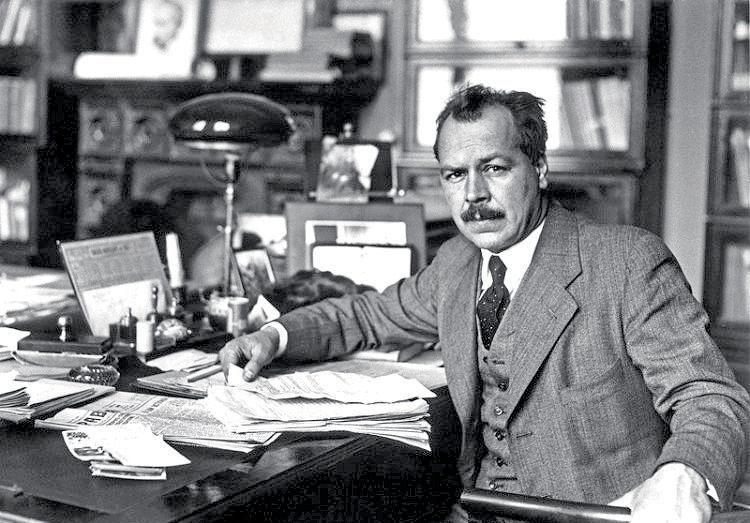
SINCE ABRAM KAMERAZ HAD BEGUN to commute by train from Leningrad (now St Petersburg) to the suburban town of Pavlovsk in the summer of 1941, attacks by enemy planes had become a frequent cause of delay. Through the carriage window, Kameraz saw the road was littered with bodies.
These men, women and children had been killed by German planes, which had strafed and bombed the crowds of refugees as they fled towards the city. As Kameraz caught the silhouette of a German Stuka cresting the horizon, the driver stopped the train and ordered the passengers to run to a nearby ditch for cover.
Kameraz, 36, was a potato specialist, one of about 50 botanists who worked at the Plant Institute, the world's first seed bank, situated off St Isaac's Square in the centre of Leningrad. The institute's potato collection contained 6,000 varieties, including many rare cultivars -the largest, most diverse potato collection yet gathered in history, a crop of inestimable scientific importance. And right now, hundreds of delicate South American specimens were planted in sheds in the fields on the outskirts of the city, in the path of the advancing German army.
Throughout August, Kameraz and his colleague Olga Voskresenskaya had made regular trips back and forth between Leningrad and Pavlovsk. But after the enemy planes fired on the trucks carrying potatoes near the Pulkovo Heights, the military drivers had refused to take them. So, Kameraz had decided to stage today's reckless final rescue attempt alone. Every potato he could save and return to the seed bank in the city centre increased the chances of preserving his important work.


Denne historien er fra November 22, 2024-utgaven av The Guardian Weekly.
Abonner på Magzter GOLD for å få tilgang til tusenvis av kuraterte premiumhistorier og over 9000 magasiner og aviser.
Allerede abonnent? Logg på
FLERE HISTORIER FRA The Guardian Weekly

The Guardian Weekly
Help at hand: A wave of support after school shooting
When Jim Caruso heard the news of the school shooting in Tumbler Ridge, he knew immediately he needed to be there. He packed his bags and boarded a plane for the community 1,100km away. \"I wanted to be here to bring some level of comfort,\" he said. \"I wanted to hug people, pray for them and, most importantly, to cry with them.\"

3 mins
February 20, 2026
The Guardian Weekly
From rickshaws to running shoes in pursuit of trail glory
Members of a local athletics club who transport passengers for a living are now beating elite athletes in international endurance events
3 mins
February 20, 2026

The Guardian Weekly
AI therapy Patients turn to chatbots for treatment
On a quiet evening in her Abuja hotel, Joy Adeboye, 23, sits on her bed clutching her phone, her mind racing.
2 mins
February 20, 2026
The Guardian Weekly
In these dark times, the World Service must not be allowed to fall silent
“The programmes will neither be very interesting nor very good,” said the then BBC director general John Reith when he launched its Empire Service in December 1932.
2 mins
February 20, 2026

The Guardian Weekly
Everybody wants to be a cat
Genre-hopping bass virtuoso Thundercat discusses Snoop Dogg and Star Wars ahead of the release of his fifth album
7 mins
February 20, 2026

The Guardian Weekly
'Just say no' US politicians offer advice on how to repel Trump
In Munich, Democrats put an end to tradition of the united front to stand among the president's fiercest critics
3 mins
February 20, 2026

The Guardian Weekly
Bird is the word: the secret to serving up perfect roast chicken
What’s the best way to roast a chicken?
2 mins
February 20, 2026

The Guardian Weekly
Sphere we go!
How did an industrial estate in Leipzig end up home to the great Brazilian architect Oscar Niemeyer's final project? Take a seat in his eye-popping restaurant
4 mins
February 20, 2026

The Guardian Weekly
What the repeal of a key climate rule means for America
The Trump administration has dismantled the basis for all US climate regulations, in its most confrontational anti-environment move yet.
2 mins
February 20, 2026

The Guardian Weekly
I could look out the window all day - so no need for curtains
I've never needed to be convinced of the cognitive benefits of looking out the window.
2 mins
February 20, 2026
Listen
Translate
Change font size