Prøve GULL - Gratis
When the Rains Failed: From Famine to Food Security
The Business Guardian
|April 16, 2025
India’s historic dependence on the monsoon—once a trigger for devastating colonial-era famines—and how the country, through policy reforms, food security systems, and technological innovation, bas transformed that vulnerability into resilience, even amid modern climate uncertainties.
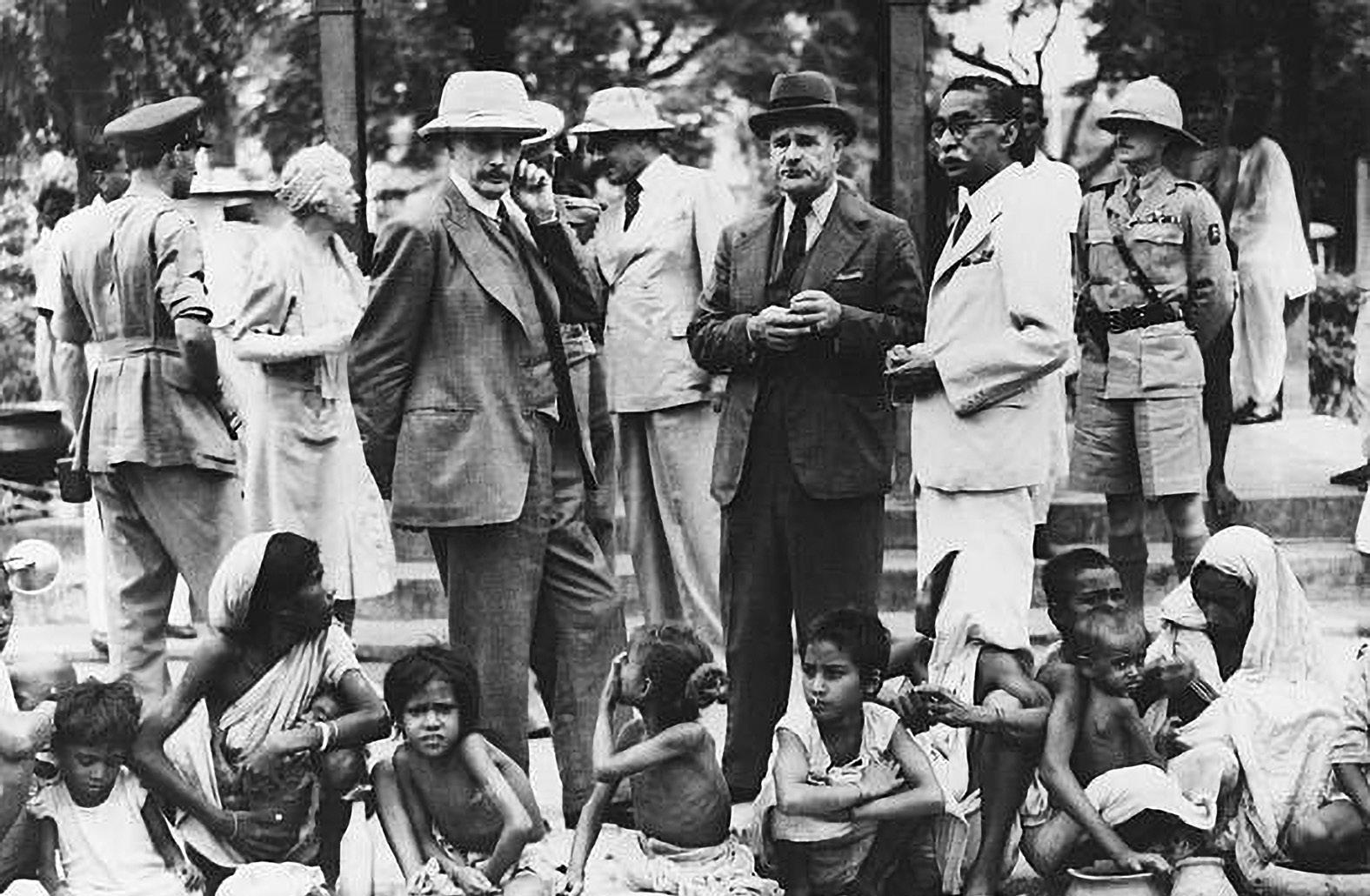
India's agriculture has always been intertwined with the annual monsoon. Adequate monsoon rains are the lifeblood of Indian farming, feeding rivers, filling reservoirs, and watering vast fields of rice, wheat, and pulses.
But when the monsoon turns erratic—arriving late, raining too little or too much, or skipping regions entirely—the consequences can be dire. Historically, a failed monsoon often spelt disaster: crop failures, hunger, and even the spectre of famine stalking the land.
In modern times, India has built buffers and safety nets to prevent droughts from escalating into famines, yet erratic monsoons still pose a serious challenge. Climate data show that the monsoon has become increasingly unpredictable, with drought-prone areas expanding by over 50% since the late 1990s and instances of extreme rainfall also surging.
Major Famines in Colonial India
Erratic or failed monsoons were the root cause of many catastrophic famines in India's history. During the British colonial period (18th to mid-20th century), such famines were distressingly frequent and severe. Drought or irregular rains led to repeated crop failures in an agrarian society where most people lived off the land. Without modern irrigation or transport infrastructure, a bad monsoon meant local food production collapsed. However, these natural triggers were often exacerbated by colonial policies and negligence. Some of the most devastating colonial-era famines include:
Great Bengal Famine (1770): Struck Bengal and surrounding areas, causing an estimated 1–10 million deaths. It followed crop failures after erratic rains and was worsened by the East India Company's harsh tax collection and grain hoarding.
Chalisa Famine (1783–84): Hit North India after droughts, causing widespread hunger (around 11 million deaths).

Denne historien er fra April 16, 2025-utgaven av The Business Guardian.
Abonner på Magzter GOLD for å få tilgang til tusenvis av kuraterte premiumhistorier og over 9000 magasiner og aviser.
Allerede abonnent? Logg på
FLERE HISTORIER FRA The Business Guardian

The Business Guardian
Two brothers shot dead by cousin in Northeast Delhi
Two brothers, including one who was specially abled, were shot dead in Northeast Delhi's Jafrabad early Tuesday allegedly by their cousin and his associates after they fell out following the arrest of a wanted illegal arms supplier they were previously associated with, police said.

1 min
December 17, 2025

The Business Guardian
MENOPAUSE'S QUIET INTIMACY PROBLEM
IMS notes that local vaginal estrogen is generally preferable when systemic therapy isn't needed for other menopausal symptoms, and cites evidence (including Cochrane-reviewed comparisons) that multiple estrogen delivery methods relieve symptoms.
1 mins
December 17, 2025
The Business Guardian
UNION MINISTER SHIVRAJ CHOUHAN INTRODUCES VB-G RAM G BILL ON RURAL JOBS IN LS
Union Minister Shivraj Singh Chouhan on Tuesday moved in Lok Sabha to introduce the Viksit Bharat Guarantee for Rozgar and Ajeevika Mission (Gramin) (VB-G RAM G) Bill, 2025, that seeks to replace the existing rural employment law MGNREGA.
1 min
December 17, 2025

The Business Guardian
GM Korea to invest USD 300 million, plans premium brand launch next year
GM Korea has announced that it will invest USD 300 million in South Korea from next year and prepare to launch a premium brand in the country, as per a report by Pulse, the English service of Maeil Business News Korea.
1 min
December 17, 2025

The Business Guardian
PRECISION AND PROGRESS: HOW SCIENCE TRANSFORMS MODERN SURGERY
In recent decades, modern scientific advancements have dramatically transformed surgical procedures, making them safer, more precise, and less invasive.
1 mins
December 17, 2025

The Business Guardian
Low visibility hit operations at Delhi airport 131 flights cancelled
Low visibility conditions disrupted flight operations at Delhi airport on Tuesday, leading to airlines cancelling 131 flights, a Delhi International Airport Ltd official said.
1 min
December 17, 2025
The Business Guardian
'India's trade deficit likely to hover around $25 billion in coming months'
The trade deficit of the country is likely to settle around current levels of November in the near to medium term, with a weaker rupee expected to help keep the gap between exports and imports under control, according to a report by Nuvama.
2 mins
December 17, 2025

The Business Guardian
The ‘Third Space’ Women Built
Homemakers' cricket leagues, community sport, and the confidence flywheel
1 min
December 17, 2025
The Business Guardian
Rupee breaches...
The RBI has been largely on the sidelines even as the Rupee has fallen the weaker US dollar.
1 min
December 17, 2025

The Business Guardian
BGS Vijnatham School hosts grand Annual Day inspired by Chanakya
BGS Vijnatham School, established under the visionary guidance of the Sri Adichunchanagiri Shikshana Trust, is a premier educational institution committed to academic excellence, character building, and holistic development.
2 mins
December 17, 2025
Listen
Translate
Change font size