
Gå ubegrenset med Magzter GOLD
Få ubegrenset tilgang til over 9000 magasiner, aviser og premiumhistorier for bare
Prøve GULL - Gratis
Re-fashioning an identity: celebrating the 165th anniversary of Indian South Africans
Post
|November 19, 2025
WHEN I taught history in school under the apartheid system, I always put my classes through a simple test relating to their conceptualisation of their identity.
I would ask exclusively “Indian” pupils: “What do you call a person who is born in America?”
Without hesitation, they would shout out: “American.”
“And someone born in Africa?”
They would proclaim: “African.”
After a momentary pause, I would ask: “In which continent were you born?”
“Africa,” they would say.
“So, you're African?” I would ask musingly.
“No, Sir, we’re Indians, not Africans.” they would state embarrassingly.
A question of identity
In a matter of seconds, a heated debate would ensue among the pupils about whether we are Africans, Indians or South Africans. But one thing most of the pupils were sure about: they were not Africans.
This simple classroom experience raised profound questions about our “identity” in apartheid South Africa. It was really a question of how pupils in the late 1980s saw themselves. Were they Indians? Were they Africans? Were they South Africans, or were they Indian South Africans? That was over 45 years ago. I believe these questions remain relevant today in our democracy.
After 30 years of living in a constitutional democracy, Indian South Africans have not fully grappled with questions of their identity in a rapidly changing society. Do our children know our ancestors? Do we know who we are? And do we know who we want to be in future? Do other South Africans share in our characterisation of ourselves? What is Julius Malema’s or a domestic worker’s perception of Indian South Africans?
Our ancestry

Denne historien er fra November 19, 2025-utgaven av Post.
Abonner på Magzter GOLD for å få tilgang til tusenvis av kuraterte premiumhistorier og over 9000 magasiner og aviser.
Allerede abonnent? Logg på
FLERE HISTORIER FRA Post

Post
Clare Estate’s 122-year legacy deserves better than premium pricing and closed books
THE Clare Estate Umgeni Hindu Crematorium Society (CEUHCS) stands as one of South Africa’s finest examples of community institution-building.

5 mins
February 18, 2026

Post
Clare Estate Hindu Crematorium responds to tariff increase and allegations of financial mismanagement
THE Clare Estate Umgeni Hindu Crematorium Society categorically rejects the malicious, false and defamatory allegations from an unverified and anonymous WhatsApp message circulating on social media and in recent media reports regarding its governance, finances, and tariff structure.
13 mins
February 18, 2026
Post
Ash Wednesday: reflection and renewal for our nation
MERCY AND GRACE
3 mins
February 18, 2026
Post
Ramadaan: embracing tradition and reflection in the holy month
MORAL DIRECTION
3 mins
February 18, 2026
Post
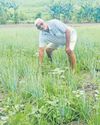
Roots of resilience:
Anand Pillai's 50-year farming legacy in Isinembe
2 mins
February 18, 2026
Post
Verulam man shoots neighbour's dog
SELF-DEFENCE OR ANIMAL CRUELTY?
2 mins
February 18, 2026

Post
How go-to-man Jansen overcame his Indian nightmares
MARCO Jansen has endured a love-hate relationship with playing in India over the course of his fledgling international career.
2 mins
February 18, 2026

Post
From father to son: the violent reality of farming in Shakaskraal and Tongaat
AFTER surviving seven bullets in an attack that killed his father, Rishen Naicker continues to farm in Tongaat despite relentless land invasions, violent crime and economic hardship.
4 mins
February 18, 2026
Post
The town of Bedlam
“IN THE beginning, God created the heavens and the Earth” is the opening statement of the Bible.
3 mins
February 18, 2026

Post
Abrahams: Building blocks in place for T20 World Cup campaign
PROTEAS
2 mins
February 18, 2026
Listen
Translate
Change font size