
Gå ubegrenset med Magzter GOLD
Få ubegrenset tilgang til over 9000 magasiner, aviser og premiumhistorier for bare
Who is to Blame?
The Caravan
|February 2023
The climate crisis and Amitav Ghosh
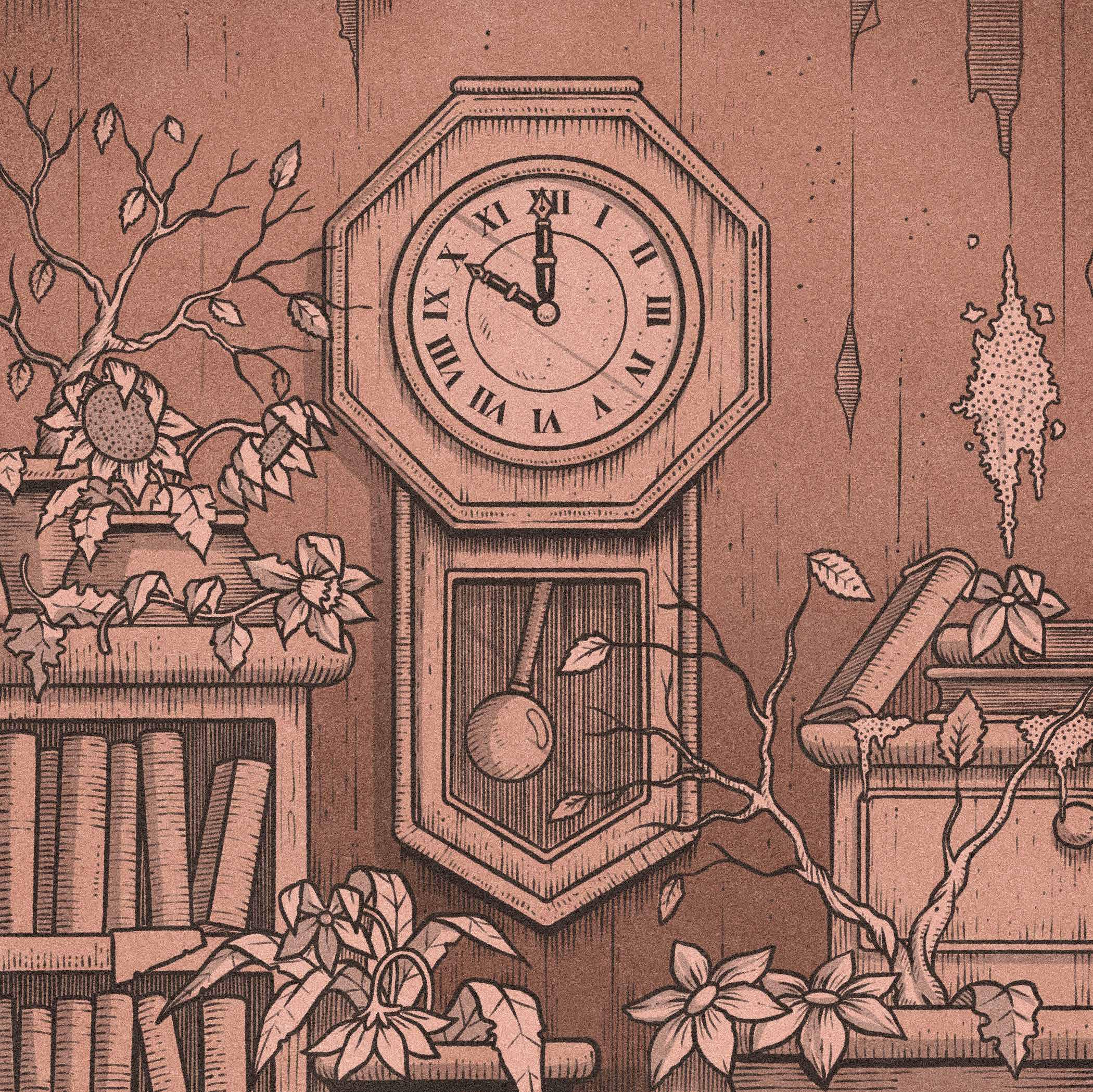
IN FEAR AND TREMBLING, Søren Kierkegaard sets out a philosophical category that he calls "the interesting": "a category that especially today (just because we live... at a turning point in human affairs) has acquired great importance, for really it is the category of crisis." In this lies its paradox. An interesting life-like that of Socrates-is a life of inward pain and trouble. The crisis is psychological, for it impels the sufferer to reevaluate ideas other people take for granted. Its origins, however, lie in the world around us-if it did not change, there would be no need to change our ideas at all.
There's little doubt that climate change denotes a turning point in human affairs, albeit one that Kierkegaard could scarcely have envisaged. Generally speaking, our first reaction to a crisis is to talk about it. War is a useful analogy, for even the threat of war drowns out all other conversations. A whole forest of expert commentary has grown up around climate change-but as we move outside this thicket, it fades into indifference. Most people pass by it with the equivalent of a mental shrug. It unsettles them but fails to unsettle their ideas in that lies its paradox.
The basic mechanism of global warming was expounded by Svante Arrhenius in 1896. In 1957, Roger Revelle and Hans Suess showed that seawater was incapable of absorbing all the carbon dioxide generated by burning oil and coal-therefore "the increase of atmospheric CO₂ from this cause... may become significant in future decades if industrial fuel combustion continues to rise exponentially." Which it did, inevitably. The first measurements of atmospheric carbon dioxide commenced from 1958. The conceptual and technical tools of the earth sciences were slower to develop: it is only with advanced computing techniques that climate modelling becomes possible.

Denne historien er fra February 2023-utgaven av The Caravan.
Abonner på Magzter GOLD for å få tilgang til tusenvis av kuraterte premiumhistorier og over 9000 magasiner og aviser.
Allerede abonnent? Logg på
FLERE HISTORIER FRA The Caravan
The Caravan
ANY RESEMBLANCE TO ACTUAL EVENTS IS NOT COINCIDENTAL
INTERFAITH ROMANCE FICTION IN THE ERA OF LOVE JIHAD

31 mins
December 2025
The Caravan
Manufacturing Legitimacy
How a Washington Post columnist laundered the Sangh's violent history
7 mins
December 2025

The Caravan
DEATH of REPORTAGE
THE DISMANTLING OF OUTLOOK'S LEGACY
32 mins
December 2025

The Caravan
FOG LIGHT
Samayantar's two-and-half-decade fight against the shrinking of Hindi's world
22 mins
December 2025

The Caravan
THE FINE PRINT
ON 19 MARCH 2005, thousands came out on the streets of Udupi, in coastal Karnataka, to protest a gruesome incident that had shaken the region a week earlier.
23 mins
December 2025

The Caravan
CHARACTER BUILDING
The enduring language of Indian streets
5 mins
December 2025

The Caravan
THE CONVENIENT EVASIONS OF RAJDEEP SARDESAI
DRESSED IN A turban and white kurta pyjama, Narendra Modi sat in the passenger seat of a van crossing the Patan district of Gujarat, in September 2012. Next to him sat Rajdeep Sardesai, the founder-editor of the news channel CNN-IBN.
63 mins
December 2025

The Caravan
Ahmed Kamal Junina: “Every class we hold is a defiant refusal to surrender”
A professor in Gaza on teaching during a genocide / Conflict
11 mins
December 2025

The Caravan
Bangla Pride, Urdu Prejudice
The language wars have primed West Bengal for the RSS
8 mins
November 2025

The Caravan
THE INTERVIEW
\"The people are naked before the government but the government is opaque to them\"
16 mins
November 2025
Translate
Change font size