
Gå ubegrenset med Magzter GOLD
Få ubegrenset tilgang til over 9000 magasiner, aviser og premiumhistorier for bare
The Diagnosis Trap
The Atlantic
|October 2022
Doctors have their stories to tell about mental illness. But what about the stories we tell ourselves?
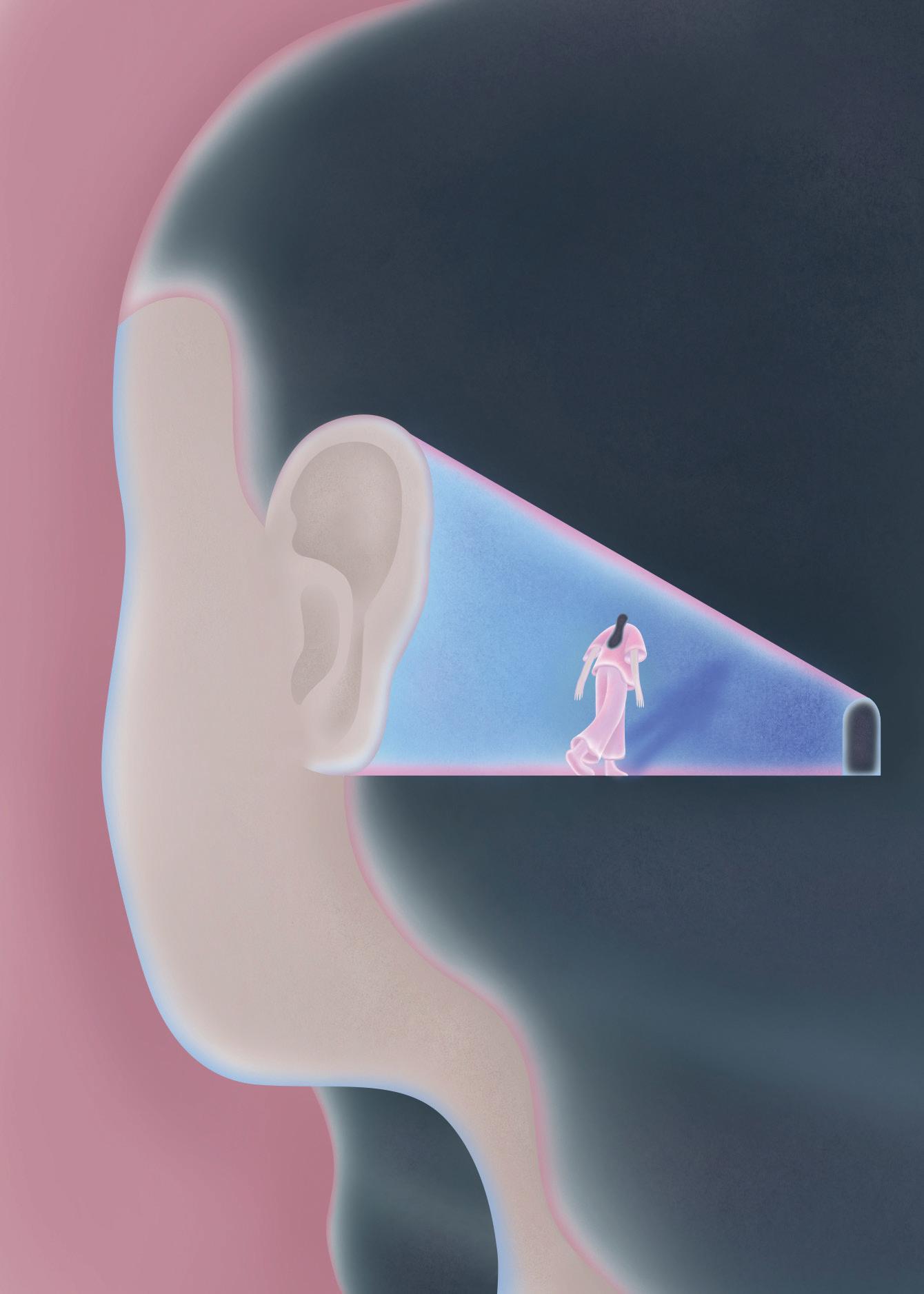
Let me explain something about me: When I was 12, I started having panic attacks, brought on by fears that I couldn't shake, even though I knew they were irrational. I was terrified, for example, that I'd become depressed-but I'd never been depressed before, and didn't feel depressed. My junior high school devoted a series of assemblies to warning us budding teenagers that we were entering the most dangerous years of our lives, now ripe targets for cutting, suicide, eating disorders, overdoses, AIDS, and fatal car accidents. I would spend hours, even days, worrying that one of these things might be coming for me. My mind seemed to spin out of control couldn't stop fixating, I couldn't calm down, and I couldn't understand what was happening.
Finding language to describe suffering of any kind is hard, but eventually, fearing I was going irreversibly insane, I tried first for my mother, then for a doctor. Soon I was told there was a name for my particular distress: obsessive-compulsive disorder. Receiving this news at 13 was both relieving and shattering. (And surprising. There had been no assembly suggesting we watch out for anxiety disorders.) With the diagnosis came explanations and context for what I had not been able to interpret, as well as a body of scientific knowledge about treatment. Still, OCD can be an upsetting diagnosis, partly because according to current psychiatric understanding, it's a chronic illness. You don't typically get cured. You "learn to manage it" and, like most chronic conditions, it ebbs and flows based on a variety of factors. I felt horror at being indelibly marked and feared that I'd never get back to "my old self." Who was I now?

Denne historien er fra October 2022-utgaven av The Atlantic.
Abonner på Magzter GOLD for å få tilgang til tusenvis av kuraterte premiumhistorier og over 9000 magasiner og aviser.
Allerede abonnent? Logg på
FLERE HISTORIER FRA The Atlantic
The Atlantic
You Had to Be There
An emerging field of history asks if we can ever really understand how our forebears experienced love, anger, fear, and sorrow.

23 mins
January 2026

The Atlantic
By the Horns
The week before the biggest bullfight of her career, in Cádiz, Spain, this past July, 24-year-old Miriam Cabas posted a carefully produced video on Instagram.
1 mins
January 2026

The Atlantic
The New German War Machine
After World War II, Germany embraced pacifism as a form of atonement. Now the country is arming itself again.
18 mins
January 2026
The Atlantic
The Eloquence
The prime minister was watching a disaster movie when we found him.
4 mins
January 2026

The Atlantic
What's for Dinner, Mom?
The women who want to change the way America eats
12 mins
January 2026

The Atlantic
How Terror Works
A 1947 German novel explores the sometimes corrosive, sometimes energizing nature of fear.
8 mins
January 2026

The Atlantic
Yesterday's Idea of a Modern Man
Sam Shepard, a self-made cowboy, was also a poet of masculine angst.
7 mins
January 2026

The Atlantic
ACCOMMODATION NATION
America's colleges have an extra-time-on-tests problem.
11 mins
January 2026

The Atlantic
Respect the Drummer
A new history of rock, told through its overlooked heroes
5 mins
January 2026

The Atlantic
THE MOST POWERFUL MAN IN SCIENCE
WHY IS ROBERT F. KENNEDY JR. SO CONVINCED HE'S RIGHT?
42 mins
January 2026
Translate
Change font size