Prøve GULL - Gratis
Postcolonial Chicken
The Atlantic
|January 2026
The U.S. introduced fast food to the Philippines. Now Jollibee is serving it back to America.
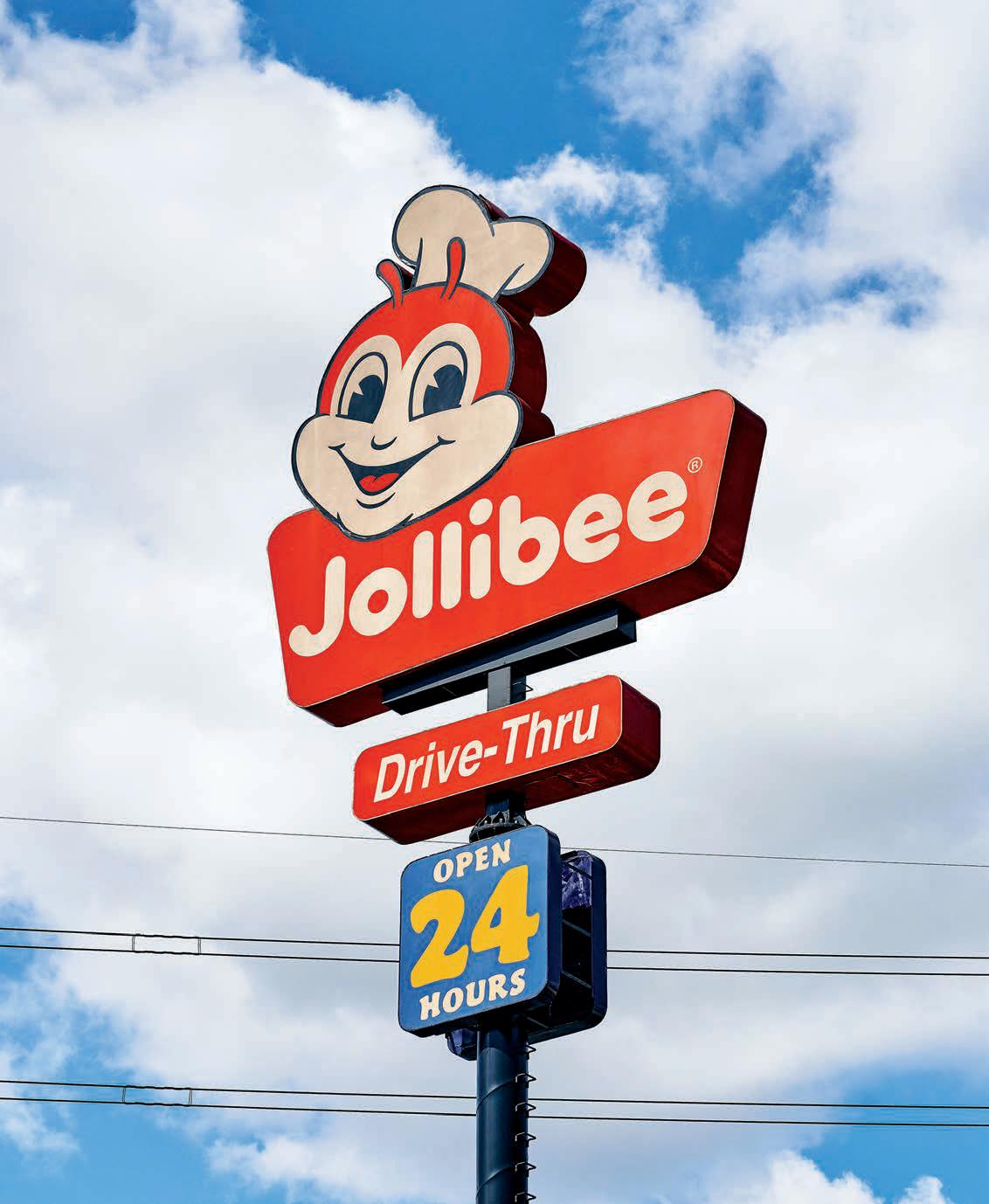
"JOLLY MORNING!" is a weird way to be greeted, no matter the context.
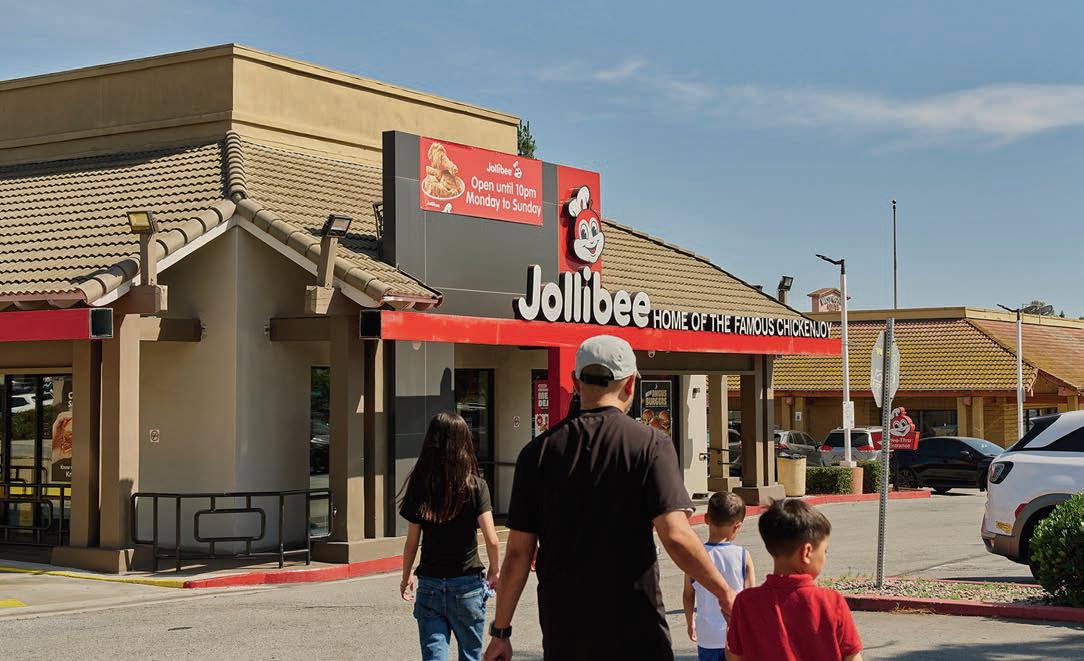
But it rang out, like birdsong, from behind the counter of a fast-food joint I visited in the Los Angeles suburbs in May. Although the restaurant's bright overhead lighting and giant menus suggested a typical American chain, something was a little off. Along one wall, a floor-to-ceiling mural depicted a cartoon bee in a chef's hat demonstrating the dance steps of the twist.
The bee is the eponymous mascot of Jollibee, which now has about 80 locations across the United States. Its food seems familiar until you taste it. Chickenjoy, the chain's signature fried chicken, has a golden, rippled exterior, just as you might expect. But tooth meets flesh with a burst of garlic, citrus, and something salty and fermented, a little like soy. What lingers on the tongue is a blast of umami that's so deeply chicken-y, it's hard to square with the mild-flavored meat that Americans have come to know.
The menu's other highlights smack of the surreal. The Aloha Burger is savory-sweet, sporting a halo of grilled pineapple beneath layers of bacon and cheese. Jolly Spaghetti is slathered in a sugary meat sauce and garnished with grated cheese and hot-dog slices. Crisp hand pies ooze purple ube and golden mango.
Jollibee does not serve American food, not exactly. The chain is based in the Philippines, which developed a taste for burgers and fried chicken during its years as a U.S. colony, and has since made the foods its own. Despite Jollibee's off-kilter dishes and feel—or perhaps because of them—Americans are eating it up.
 USA Today and

Denne historien er fra January 2026-utgaven av The Atlantic.
Abonner på Magzter GOLD for å få tilgang til tusenvis av kuraterte premiumhistorier og over 9000 magasiner og aviser.
Allerede abonnent? Logg på
FLERE HISTORIER FRA The Atlantic
The Atlantic
You Had to Be There
An emerging field of history asks if we can ever really understand how our forebears experienced love, anger, fear, and sorrow.

23 mins
January 2026

The Atlantic
By the Horns
The week before the biggest bullfight of her career, in Cádiz, Spain, this past July, 24-year-old Miriam Cabas posted a carefully produced video on Instagram.
1 mins
January 2026

The Atlantic
The New German War Machine
After World War II, Germany embraced pacifism as a form of atonement. Now the country is arming itself again.
18 mins
January 2026
The Atlantic
The Eloquence
The prime minister was watching a disaster movie when we found him.
4 mins
January 2026

The Atlantic
What's for Dinner, Mom?
The women who want to change the way America eats
12 mins
January 2026

The Atlantic
How Terror Works
A 1947 German novel explores the sometimes corrosive, sometimes energizing nature of fear.
8 mins
January 2026

The Atlantic
Yesterday's Idea of a Modern Man
Sam Shepard, a self-made cowboy, was also a poet of masculine angst.
7 mins
January 2026

The Atlantic
ACCOMMODATION NATION
America's colleges have an extra-time-on-tests problem.
11 mins
January 2026

The Atlantic
Respect the Drummer
A new history of rock, told through its overlooked heroes
5 mins
January 2026

The Atlantic
THE MOST POWERFUL MAN IN SCIENCE
WHY IS ROBERT F. KENNEDY JR. SO CONVINCED HE'S RIGHT?
42 mins
January 2026
Listen
Translate
Change font size