Prøve GULL - Gratis
BRING BACK THE NEOCONS
The Atlantic
|January 2026
They could be an antidote to Trumpism.
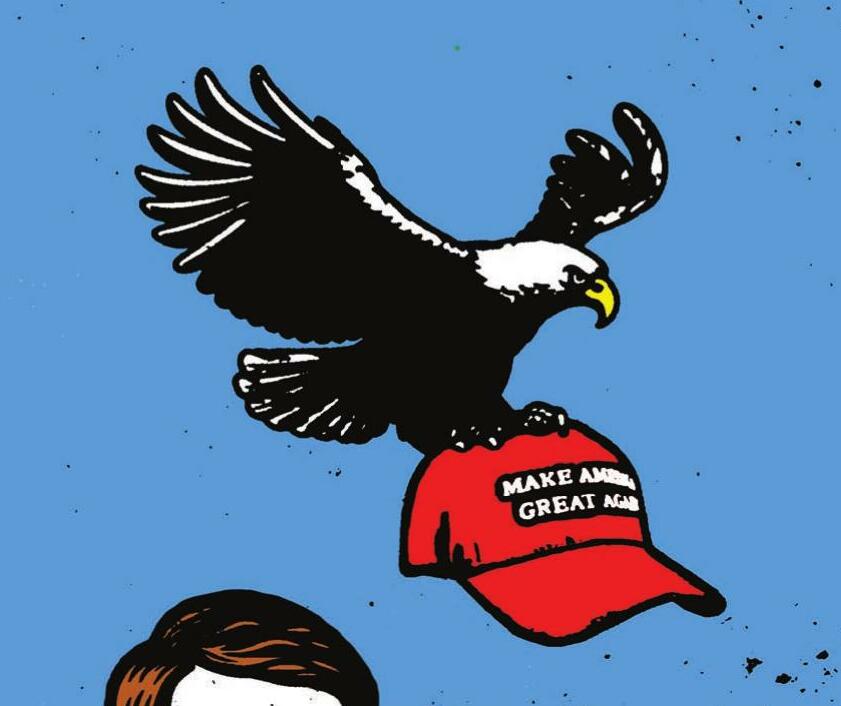
What comes after Donald Trump? What compelling social vision can replace MAGA's offerings and reverse the tide of global populism? In considering these questions, I find myself returning to an unlikely group of 20th-century thinkers: the neoconservatives.
These days, when people hear the word neocons, they tend to think of Republicans who supported the Iraq War. But the notoriety the neocons attained for supporting that war has obscured their origins as a dissident faction within the American left, one that was staunchly anticommunist but mostly preoccupied with domestic policy.
Here’s why the original neocon thinkers—people such as Irving Kristol, James Q. Wilson, Jeane Kirkpatrick, and Daniel Patrick Moynihan—can be so helpful right now: They focused their attention on the bloody crossroads where morality and politics intersect. They saw politics through the lens of not only polling and social-science data, but also literature, philosophy, psychology, and theology. They asked the big questions—not just How can we win the next election? but How can we create a civilization to be proud of? The moral and spiritual tenor of their political writings could be a tonic for a society in moral and spiritual crisis.
NEOCONSERVATISM coalesced into a movement in the 1970s, but it has its roots in the cafeteria of the City College of New York in the late 1930s. The poor immigrant kids who would go on to found the movement were the Trotskyists who sat in one alcove of that dining hall. They spent their days arguing with one another and with the Stalinists who sat in the neighboring alcove. In those days, Kristol, Irving Howe, Seymour Martin Lipset, Nathan Glazer, and others were convinced that communism was the future, and so it mattered what kind prevailed.

Denne historien er fra January 2026-utgaven av The Atlantic.
Abonner på Magzter GOLD for å få tilgang til tusenvis av kuraterte premiumhistorier og over 9000 magasiner og aviser.
Allerede abonnent? Logg på
FLERE HISTORIER FRA The Atlantic
The Atlantic
You Had to Be There
An emerging field of history asks if we can ever really understand how our forebears experienced love, anger, fear, and sorrow.

23 mins
January 2026

The Atlantic
By the Horns
The week before the biggest bullfight of her career, in Cádiz, Spain, this past July, 24-year-old Miriam Cabas posted a carefully produced video on Instagram.
1 mins
January 2026

The Atlantic
The New German War Machine
After World War II, Germany embraced pacifism as a form of atonement. Now the country is arming itself again.
18 mins
January 2026
The Atlantic
The Eloquence
The prime minister was watching a disaster movie when we found him.
4 mins
January 2026

The Atlantic
What's for Dinner, Mom?
The women who want to change the way America eats
12 mins
January 2026

The Atlantic
How Terror Works
A 1947 German novel explores the sometimes corrosive, sometimes energizing nature of fear.
8 mins
January 2026

The Atlantic
Yesterday's Idea of a Modern Man
Sam Shepard, a self-made cowboy, was also a poet of masculine angst.
7 mins
January 2026

The Atlantic
ACCOMMODATION NATION
America's colleges have an extra-time-on-tests problem.
11 mins
January 2026

The Atlantic
Respect the Drummer
A new history of rock, told through its overlooked heroes
5 mins
January 2026

The Atlantic
THE MOST POWERFUL MAN IN SCIENCE
WHY IS ROBERT F. KENNEDY JR. SO CONVINCED HE'S RIGHT?
42 mins
January 2026
Listen
Translate
Change font size