Prøve GULL - Gratis
Energy Critical Elements and India's Just Energy Transition
TerraGreen
|March 2025
This article, contributed by Arpita Victor, examines the reliance of renewable energy technologies on the extraction and processing of energy critical elements (ECEs) and emphasizes the importance of ensuring that the energy transition is truly fair and equitable for all stakeholders impacted along the ECE value chain.
-
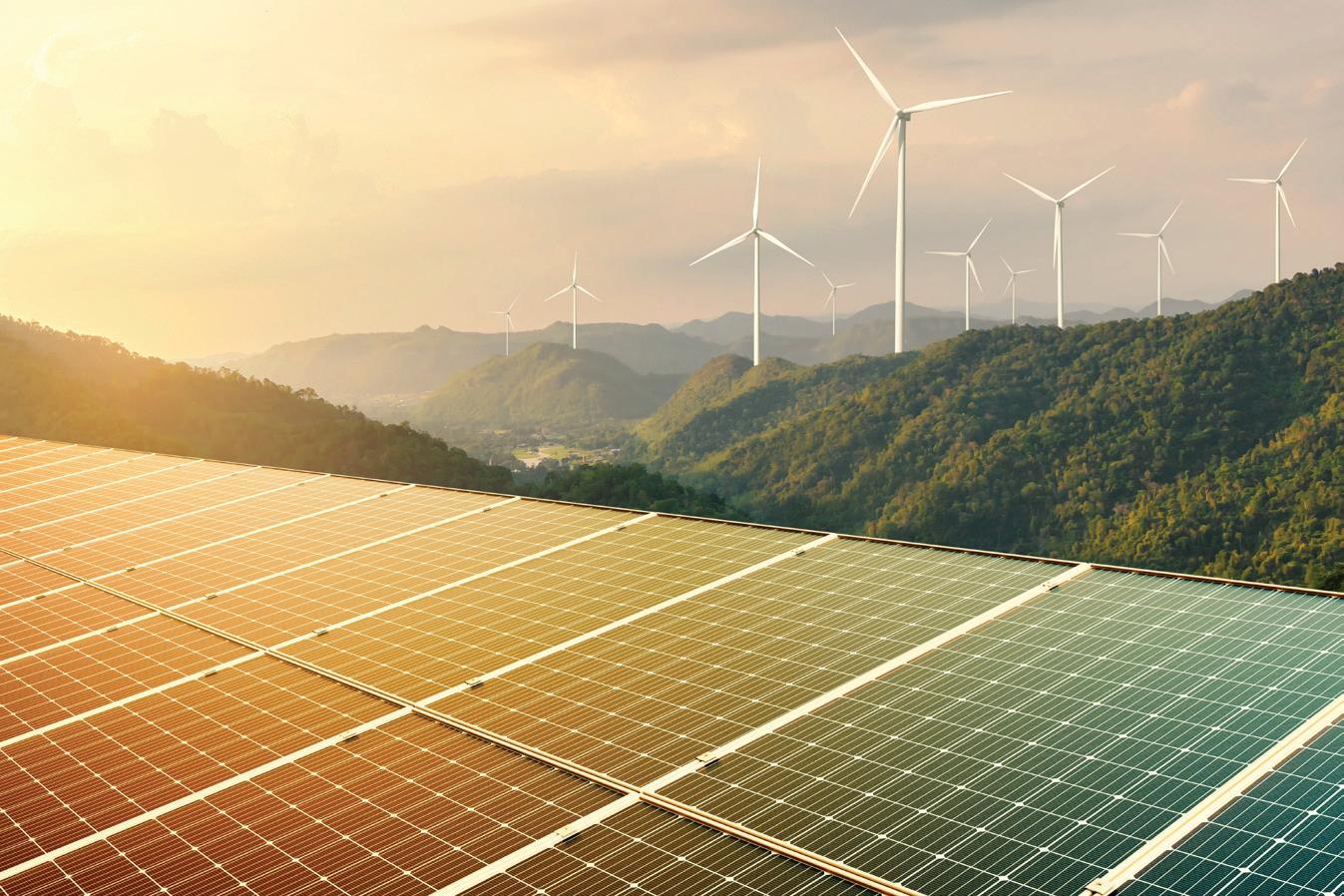
The energy transition in India is critical for meeting its climate goals, particularly its commitments under the Paris Agreement. A shift to renewable energy could decarbonize the power sector by 90%, underscoring its centrality to meaningful climate action. In line with its climate commitments, India has pledged to achieve 50% of its installed power capacity from non-fossil sources and reduce the emissions intensity of its gross domestic product (GDP) by 45% by 2030, compared to 2005 levels. In under a decade, India’s installed renewable energy (RE) capacity has surged by over 400%, achieving targets ahead of schedule. This remarkable growth has been fueled by technological advancements, favourable government policies, and robust private sector competition, which have collectively driven down the costs of RE, making it more affordable than traditional coal power.
However, a shift away from coal does not coincide with a shift away from extractives—'clean’ renewable technology requires a more complex blend of minerals to enable the exploitation of nature's forces to produce energy. These are referred to as energy critical elements (ECEs) and are essential for manufacturing technologies like wind turbines, solar panels, and electric vehicle batteries, making it imperative to adopt ethical and sustainable mining practices in regions rich in these resources. Given these minerals are more diffuse in nature and harder to extract and process, integrating circular economy principles, such as recycling ECEs and fostering research on viable alternatives, can further strengthen a resilient and sustainable green transition. This article examines the reliance of renewable energy technologies on the extraction and processing of ECEs and emphasizes the importance of ensuring that the energy transition is truly fair and equitable for all stakeholders impacted along the ECE value chain.


Denne historien er fra March 2025-utgaven av TerraGreen.
Abonner på Magzter GOLD for å få tilgang til tusenvis av kuraterte premiumhistorier og over 9000 magasiner og aviser.
Allerede abonnent? Logg på
FLERE HISTORIER FRA TerraGreen

TerraGreen
Pollution Rises in Bengaluru Lakes Post Monsoon: Study
A new lake health study, covering three major water bodies in Bengaluru-Ulsoor, Doddabommasandra and Shivapura-has revealed dangerous levels of pollution and a clear link between rapid urbanization and deteriorating water quality.

1 min
November 2025

TerraGreen
Seven-month Fishing Ban Along Three River Mouths in Odisha for Olive Ridley Nesting
In a bid to ensure safe and harmonious mass nesting of Olive Ridley turtles, Odisha has imposed a seven-month fishing ban from November, 2025 to May 31, 2026 at three river mouths along the coastline.
1 min
November 2025

TerraGreen
A New Track Record
Formula 1, long defined by speed, spectacle, and cutting-edge engineering, is now racing towards a different kind of victory—sustainability.
4 mins
November 2025
TerraGreen
Extreme Floods are Slashing Global Rice Yields Faster than Expected
WMO Report Highlights Increasingly Erratic Water Cycle
3 mins
November 2025
TerraGreen
Renewable Energy Adoption and Corporate Sustainability
Future of Responsible Enterprise
5 mins
November 2025
TerraGreen
Nature-based Solutions for Delhi's Pollution Crisis
Delhi's annual struggle with toxic air has become an unfortunate ritual. Each winter, the Air Quality Index (AQI) spikes to hazardous levels often above 300, amid school shut downs, masks returning, and public outrage-only to fade until the next smog season.
1 min
November 2025

TerraGreen
Your Pumpkin Might Be Hiding a Toxic Secret
Pumpkins, squash, zucchini, and other members of the gourd family have a surprising trait-they can take up pollutants from the soil and store them in their edible parts.
1 min
November 2025

TerraGreen
Echoes of Love
Why the Forest Can't Live Without Its Hornbills
4 mins
November 2025

TerraGreen
Forests on the Fence
Can Uttarakhand's Van Panchayats Take Root Again?
6 mins
November 2025

TerraGreen
Sacred Tank, Sinking City The Urban Threat to 'Mini-Kashi'
Nestled amid the urban sprawl of Malabar Hill, Mumbai's Banganga Tank stands as a living relic where myth, memory, and modernity intersect.
4 mins
November 2025
Listen
Translate
Change font size