
Gå ubegrenset med Magzter GOLD
Få ubegrenset tilgang til over 9000 magasiner, aviser og premiumhistorier for bare
Prøve GULL - Gratis
Woolly mice are a first step in restoring the mammoth
TIME Magazine
|March 24, 2025
Extinction is typically for good; when it comes to the woolly mammoth, however, that rule has now been bent.
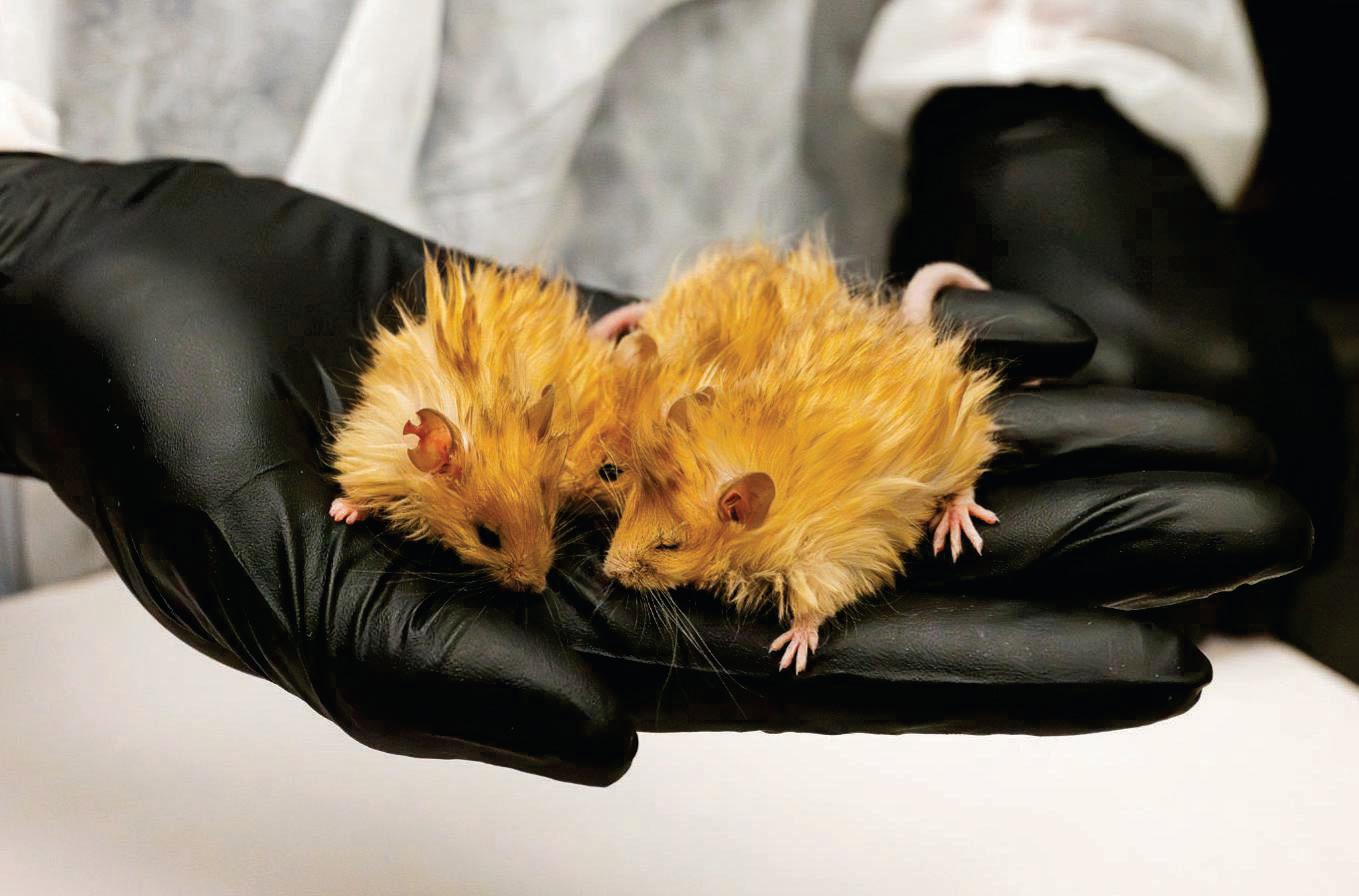
It’s been 4,000 years since the elephant-like beast walked the earth, but part of its DNA now operates inside several litters of mice created by scientists at the Dallas-based Colossal Laboratories and Biosciences. The mice don’t have their characteristic short, gray-brown coat, but rather the long, wavy, woolly hair of the mammoth. They also have the beast’s accelerated fat metabolism, which helped it survive earth’s last ice age. Both traits are the result of gene editing that Colossal’s scientists hope will hasten the reappearance of the mammoth itself as early as 2028.
Colossal has been working on restoring the mammoth ever since the company’s founding in 2021. The animal’s relatively recent extinction and the fact that it roamed the far north means that its DNA has been preserved in multiple remains embedded in permafrost. For its de-extinction project, Colossal collected the genomes of nearly 60 of those recovered mammoths.


Denne historien er fra March 24, 2025-utgaven av TIME Magazine.
Abonner på Magzter GOLD for å få tilgang til tusenvis av kuraterte premiumhistorier og over 9000 magasiner og aviser.
Allerede abonnent? Logg på
Listen
Translate
Change font size