Prøve GULL - Gratis
The real reason we fail to feed those in need
TIME Magazine
|December 08, 2025
FOOD IS THE DIFFERENCE BETWEEN LIFE AND DEATH. Everyone knows this. But it’s also the difference between stability and instability, union and division, and peace and war. I have had a front-row seat to some of the worst recent humanitarian crises—from Yemen and Syria to Afghanistan and Gaza—and this has been true, time and time again.
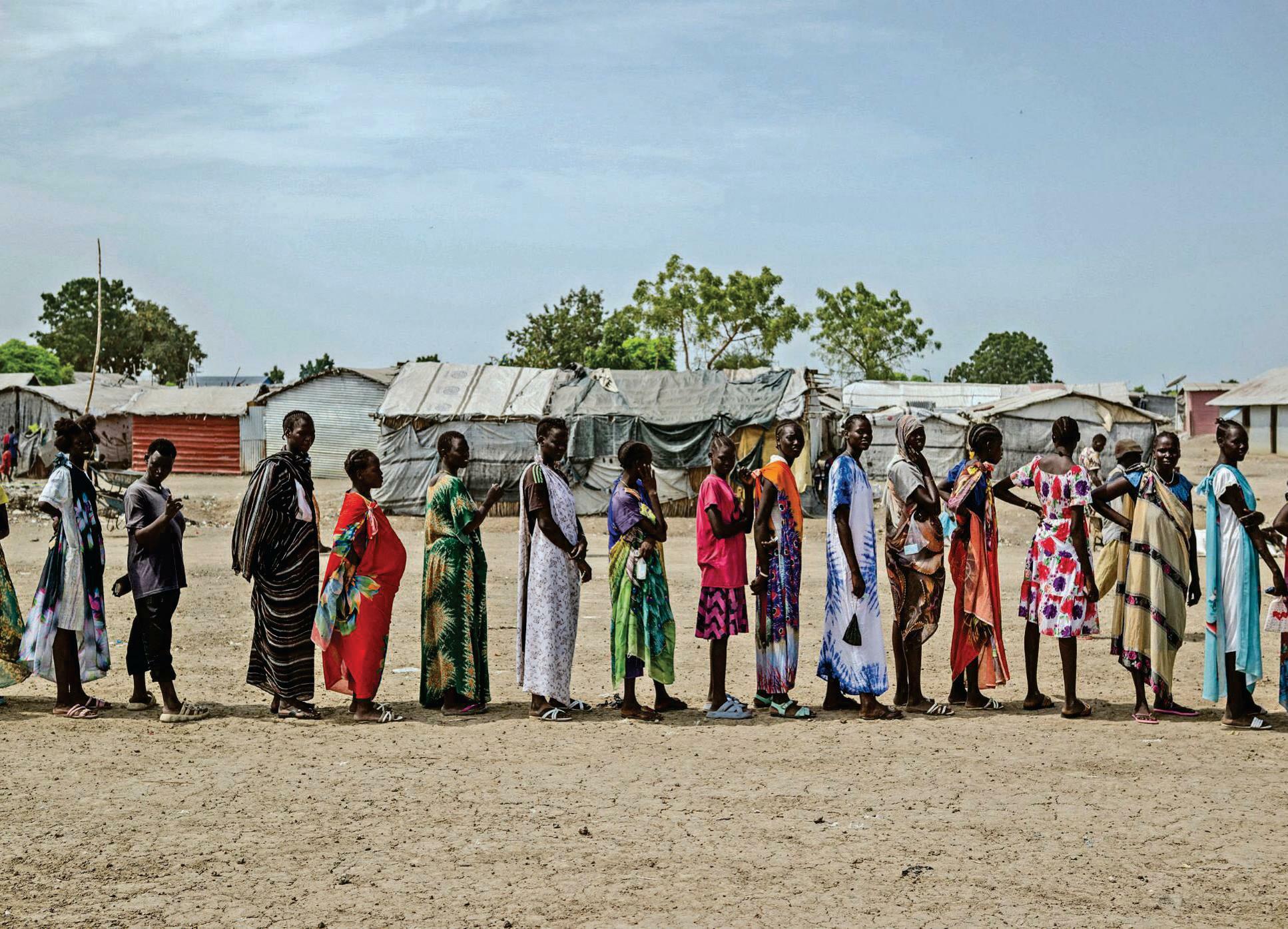
I’ve sat face-to-face with mothers who’ve told me, “My son didn’t want to join ISIS or al-Qaeda, but he had to feed his little girl.” These are families who don’t want to leave home, but will do what any mother or father would to feed their children, even if it means risking everything.
The power of food is simple to understand, yet the systems around it are anything but. When famine strikes, we rightfully react. Emergency aid is activated. Millions of dollars are deployed. But repeatedly, the cycle starts afresh. We fail because we treat famine in isolation from its interconnected crises.
We have enough funds, and enough food, to feed the world. The real reason humanitarian efforts keep failing is because decisionmakers profit from short-term solutions at the cost of addressing the root causes of inequality and food insecurity.
WHEN THE WORLD FOOD PROGRAMME (WFP) received the Nobel Peace Prize in 2020, it was honored in a year marked by severe global conflicts and crises, including the pandemic. In announcing its decision, the Nobel Committee hailed the scale of aid that had been provided the previous year, with our team having helped close to 100 million people across 88 countries. But it explicitly cited the wider impact of our approach in shifting perceptions of famine and hunger—moving from treating crises as disasters in need of immediate relief, to understanding access to food as a powerful tool in both conflict prevention and resolution.
Whether in the form of vegetables, rice, or bread, our team was providing the weapons of peace required to start reconciliation within communities that creates stability across nations. The reason food is effective at establishing peace is the same reason leaders use food as a weapon of control to weaken majorities or deplete autonomy: because food is powerful.


Denne historien er fra December 08, 2025-utgaven av TIME Magazine.
Abonner på Magzter GOLD for å få tilgang til tusenvis av kuraterte premiumhistorier og over 9000 magasiner og aviser.
Allerede abonnent? Logg på
Listen
Translate
Change font size