Prøve GULL - Gratis
The (real) problem with fake plants
TIME Magazine
|February 24, 2025
WHEN THE GERMAN PHILOSOPHER IMMANUEL KANT puzzled over why nature looks beautiful to us, he considered the case of replicas.
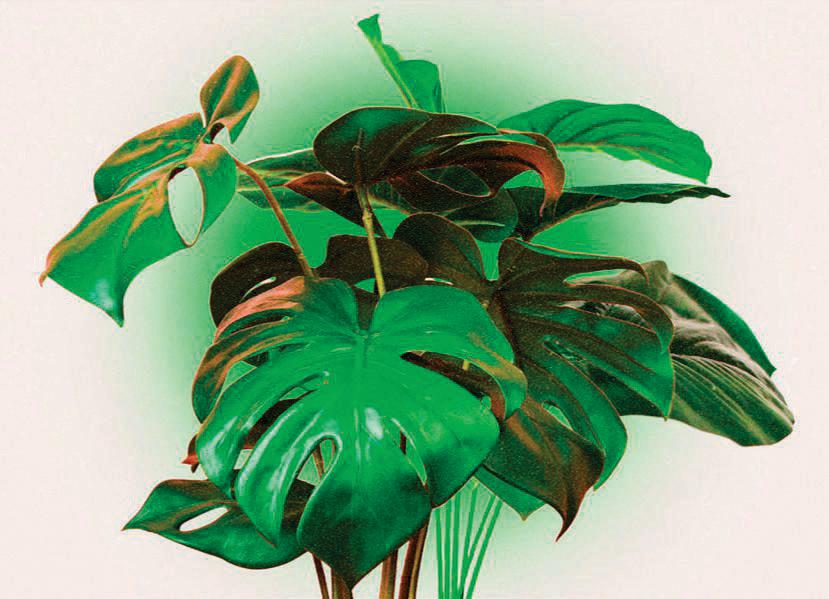
Imagine, Kant wrote in the late 1700s, a jovial innkeeper who, for lack of a nightingale to enchant his guests, plays a trick on them by hiding a boy in a bush with a reed "hit [ting] off nature to perfection." Kant was sure that the moment people found out the truth, "no one will long endure listening to this sound." Why should that be, if the sound is identical? Kant's confidence may seem out of place today. Copies of nature proliferate. Not only can we go skiing in Dubai and sunbathe on indoor tropical beaches in Germany, but fake plants and synthetic lawns are filling up our cities, restaurants, and homes. The global artificial-flowers market is predicted to reach $1.78 billion this year. Bewilderingly, faux flowers-the upmarket term for fake-are even presented as a green alternative. Faced with impressively elaborate copies of plants that never droop or wither, and living increasingly convenience-based lives, a lot of us may wonder if we are justified to choose natural over fake, and on what grounds.


Denne historien er fra February 24, 2025-utgaven av TIME Magazine.
Abonner på Magzter GOLD for å få tilgang til tusenvis av kuraterte premiumhistorier og over 9000 magasiner og aviser.
Allerede abonnent? Logg på
Listen
Translate
Change font size