Prøve GULL - Gratis
The Power of the Peer
TIME Magazine
|December 09, 2024
WITH MENTAL-HEALTH CARE IN SHORT SUPPLY, CAN REGULAR PEOPLE FILL THE GAP?
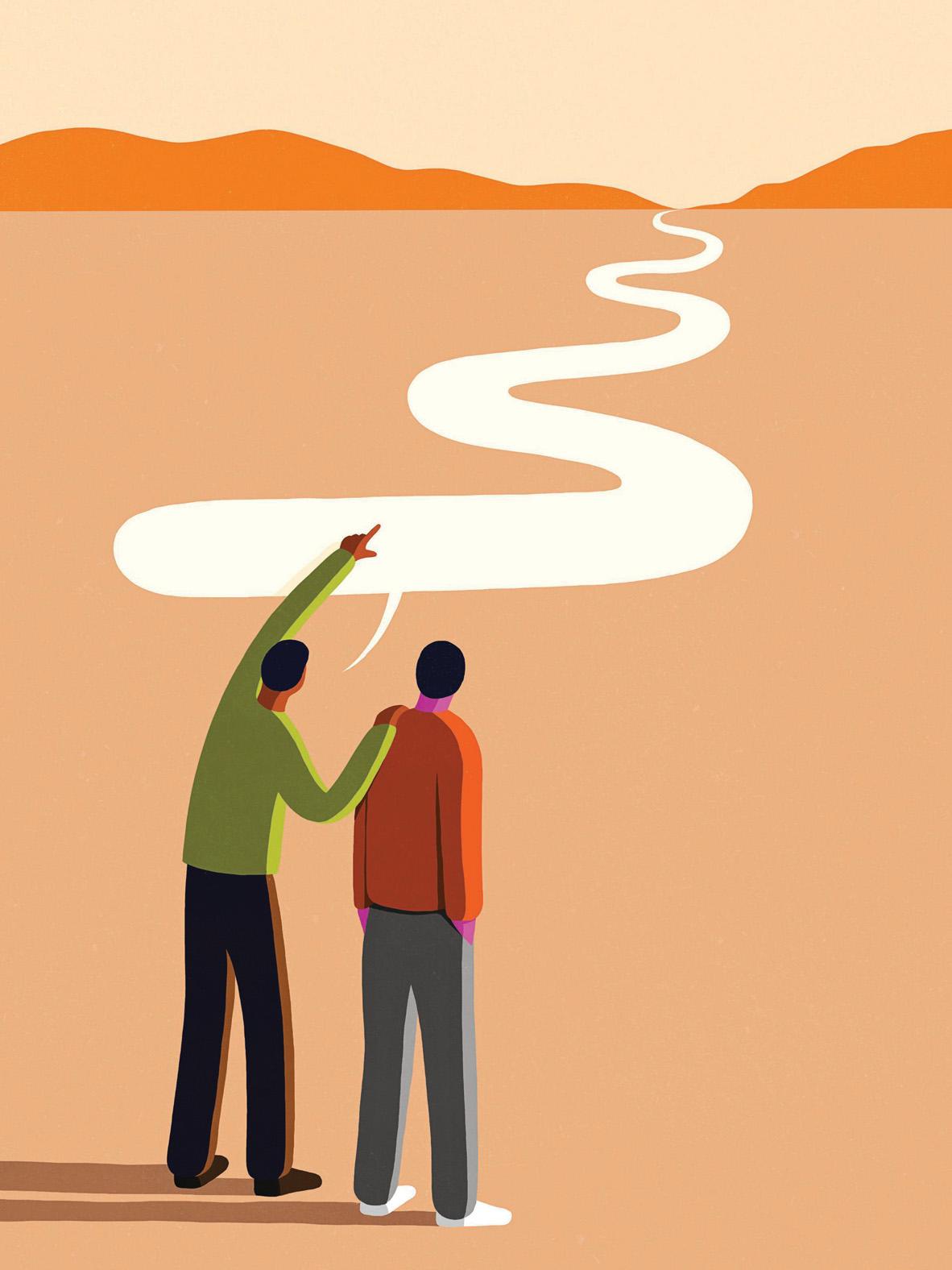
WOULD YOU SPEND $40 ON A MEAL? A WORKOUT class? A new T-shirt? To chat with a stranger about their life experience for half an hour? The last is the business model behind Fello, a new app that pays people to tell their life stories to others going through the same stuff. Just like Uber and Airbnb let people make cash from their cars and homes, Fello lets you monetize your hardwon wisdom.
The idea is to provide "a new type of support that you don't get from going to a generic support group, perusing Reddit or Facebook groups, or meeting with a therapist," says CEO Alyssa Pollack, a former executive at Uber Eats. The person on the other side of your screen isn't a mental-health professional, but can speak to "the specific 'lived experience' that you're going through." Though the app is new, the idea is not. Fello and other platforms like it are selling something that humans have long gotten for free: peer support. "It's something that people naturally do," says Kelly Davis, vice president of peer and youth advocacy at the nonprofit Mental Health America. "If you're having a hard time, you often seek out someone else who went through something similar."
Increasingly, that human tendency is being packaged and pitched as an answer to a deepening problem: traditional mental-health care is hard to find and hard to afford. Demand far outpaces supply, and providers often charge hundreds of dollars per session. The result is that more than half of U.S. adults with a mental illness did not receive treatment for their conditions as of 2022, according to Mental Health America. Overall, 42% of Americans say they're concerned about their mental health, Harris Poll data finds, but only 10% of U.S. adults are seeing a therapist.


Denne historien er fra December 09, 2024-utgaven av TIME Magazine.
Abonner på Magzter GOLD for å få tilgang til tusenvis av kuraterte premiumhistorier og over 9000 magasiner og aviser.
Allerede abonnent? Logg på
Listen
Translate
Change font size