
Gå ubegrenset med Magzter GOLD
Få ubegrenset tilgang til over 9000 magasiner, aviser og premiumhistorier for bare
Prøve GULL - Gratis
RADICAL MERCY
TIME Magazine
|May 12, 2025
Pope Francis’ greatest achievement was pushing the church to prioritize compassion
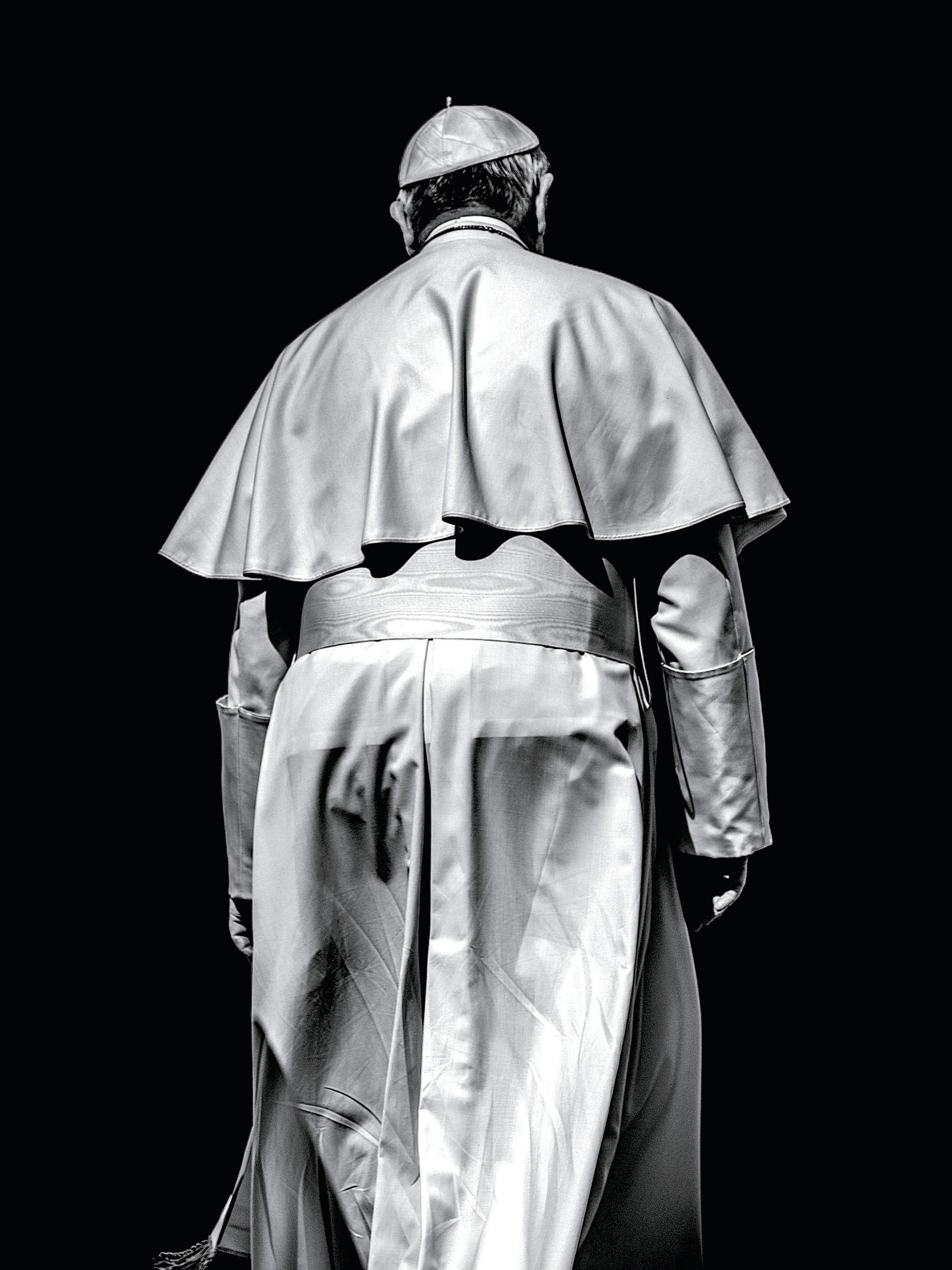
WHEN THEY GATHER IN ROME TO CONSIDER POPE FRANcis’ successor, the world’s Cardinals will consider his legacy. Much of the media coverage will portray the decision as a contest between competing visions: one “liberal,” reforming, modernizing, and compassionate; the other “conservative,” seeking to preserve tradition, teach with clarity, and defend law and morality. Yet most Cardinals do not look through that lens, and nor did Francis. They do not see truth and mercy as rivals, where more of one means less of the other, but that truth and mercy must be held together, as a Gospel imperative. Francis’ legacy was his insistence on this.
The past three Popes were convinced the church has too often emphasized proclaiming truth and doctrine without at the same time showing mercy as the way God interacts with us. Benedict XVI insisted the recovery of mercy was the great line of continuity between him, his predecessors, and Francis. What truly made Francis different from those who came before was the way he sought to put mercy—“God’s style,” he called it—at the heart of all the church teaches and does.
When Americans hear the word mercy, they often think of an exemption from the application of the law—an act of compassion. They may view mercy as “being soft.” But for the church, mercy is closer to the Latin word

Denne historien er fra May 12, 2025-utgaven av TIME Magazine.
Abonner på Magzter GOLD for å få tilgang til tusenvis av kuraterte premiumhistorier og over 9000 magasiner og aviser.
Allerede abonnent? Logg på
Listen
Translate
Change font size