Prøve GULL - Gratis
HIGH FLYER
TIME Magazine
|July 03, 2023
HOW TEXAS TRACK-AND-FIELD STAR SAM HURLEY USED HIS TIKTOK SAVVY TO SCORE NEARLY $1 MILLION IN DEALS
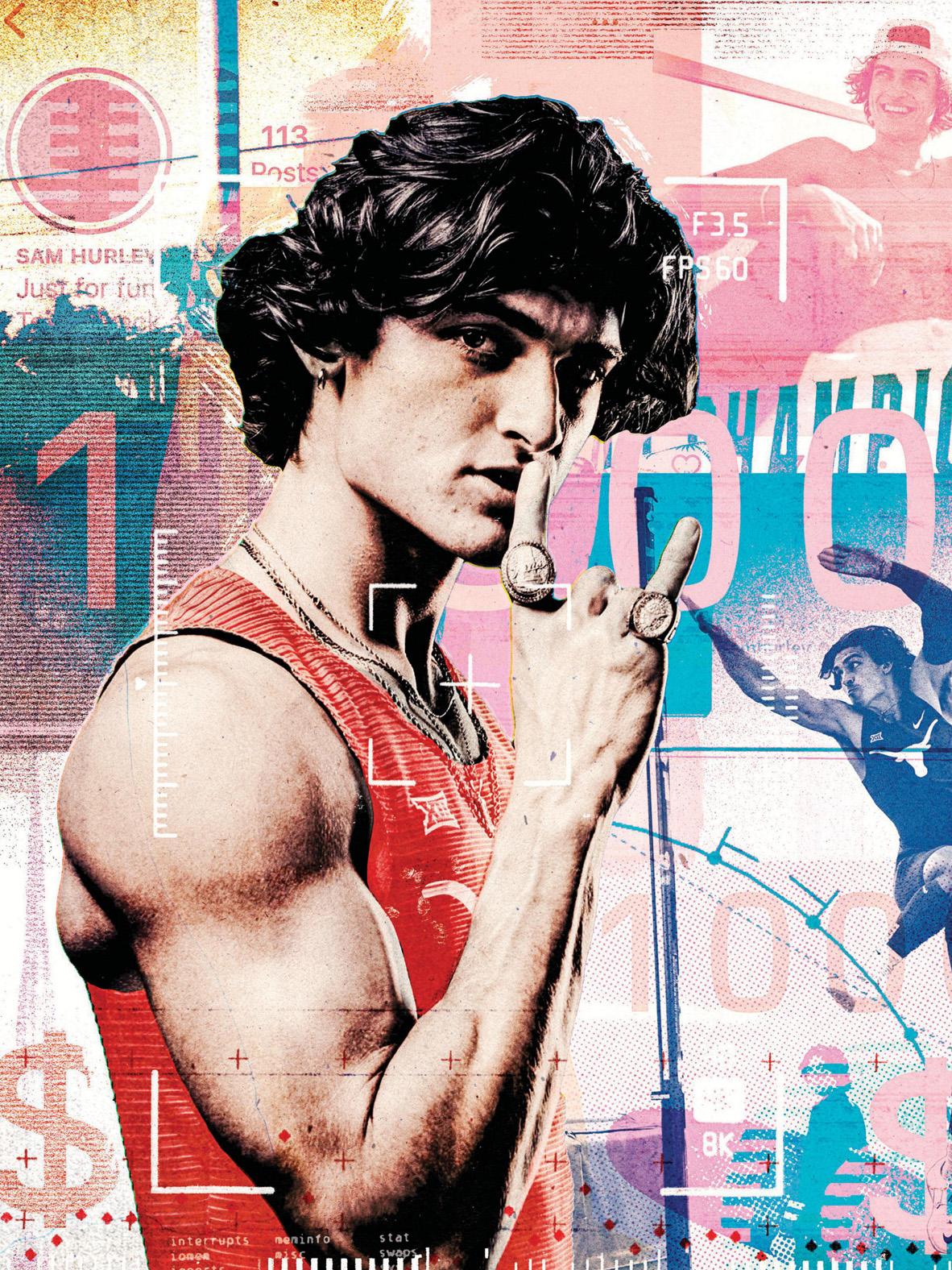
ONE OF THE HIGHEST-EARNING COLLEGE ATHLETES ON THE PLANET SAYS a little prayer. Sam Hurley, a University of Texas sophomore, prays that God gives him the wings represented by an angel tattoo on his left calf-to carry him over the high-jump bar. The overwhelming majority of college athletes who earn in the neighborhood of $1 million or more to market their name, image, and likeness (NIL), as Hurley does, perform athletic feats before 50,000 to 100,000 fans in packed football stadiums or in sold-out basketball arenas. But a few hundred eyes, at most, are fixed on Hurley as he attempts to win the Texas Invitational.
On this April afternoon in Austin, Hurley, 19, soars, arches his back over the bar, and flops on the mat. To a smattering of applause, he hops up, pounds his hand against his chest, and points one finger up in the air. He's clinched his second meet title of the outdoor track-and-field season. "It was a good day," Hurley says afterward, "to be great." July 1 marks the second anniversary of the day that college athletes were given the freedom to profit off their personal brands. After years of sustaining hits in the courts and in the media for allowing schools, administrators, and coaches to enrich themselves on the backs of football and basketball players, the NCAA relented, and dropped its arcane rules preventing athletes from signing third-party sponsorship deals. Opendorse, a company that connects student athletes with businesses, expects NIL earnings to top $100 million by the end of 2023.

Denne historien er fra July 03, 2023-utgaven av TIME Magazine.
Abonner på Magzter GOLD for å få tilgang til tusenvis av kuraterte premiumhistorier og over 9000 magasiner og aviser.
Allerede abonnent? Logg på
Translate
Change font size