
Gå ubegrenset med Magzter GOLD
Få ubegrenset tilgang til over 9000 magasiner, aviser og premiumhistorier for bare
Prøve GULL - Gratis
Flights of kites
TIME Magazine
|May 27, 2024
An ancient folk craft tradition floats across time and still soars to new heights in modern times
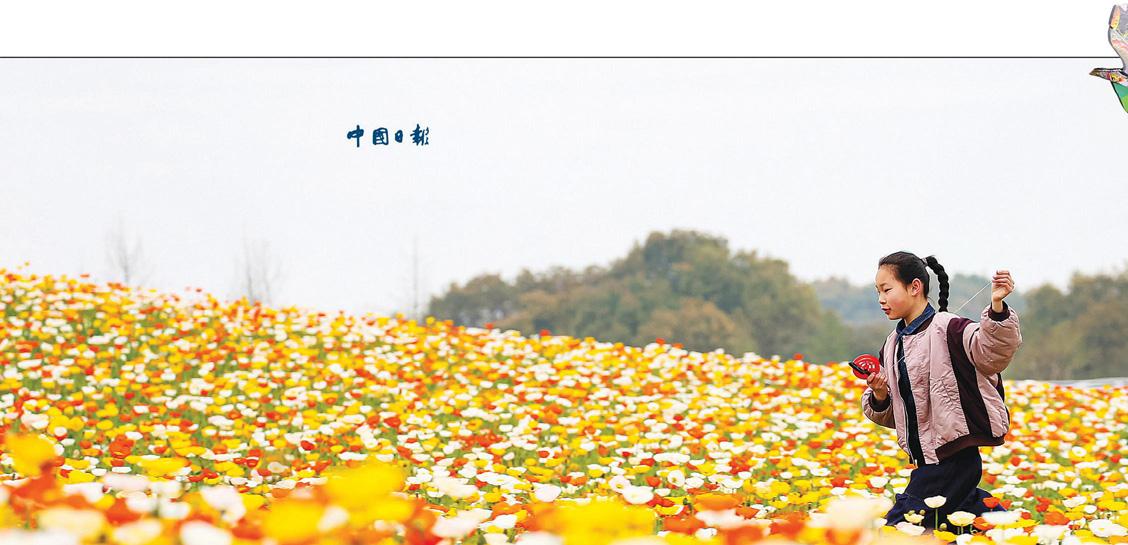
Many people hold at least one memory of a kite from their childhoods, be it a simple yet classic diamond or a colorful bird-shaped kind with vividly flapping wings. It could be a sunny spring day in a pastoral landscape with family members. As the wind picks up, the user runs as fast as he or she can, until the kite ascends high into the sky and dances in the air. However, the kite that Yang Hongwei of Yangjiabu village in Weifang, Shandong province, remembers is slightly different. It was a gigantic dragon-headed centipede that stretched for 1,180 feet and took dozens of people to fly. That was at the third Weifang International Kite Festival in 1986. To celebrate their village’s legacy of crafting kites, her grandfather, Yang Tongke, and uncle, Yang Qimin, both master kite makers, envisioned and created a model 10 times bigger than any they had ever made. Weifang is renowned as the “world capital of kites”, and Yangjiabu village has long remained at the heart of local production. Yang Hongwei, who was born to a family of artisan kite makers in the village in 1966, became a national-level representative inheritor of Weifang kite-making techniques this year. Yangjiabu is home to two national-level intangible cultural heritage items, kites and Yangjiabu new year pictures, a type of traditional woodblock printing used to decorate people’s homes during Spring Festival. Top: A girl flies a kite in Zhenjiang, Jiangsu province on April 6. XINHUA Above: A dragonheaded centipede kite made by Yang Hongwei, a national-level representative inheritor of kite-making techniques in Weifang, Shandong province. PROVIDED TO CHINA DAILY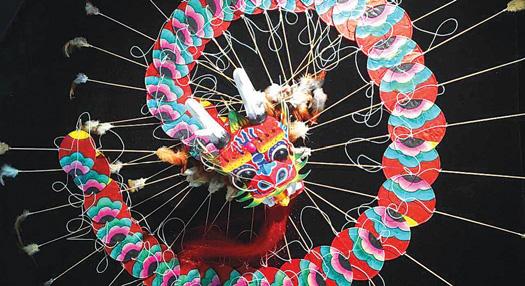


Denne historien er fra May 27, 2024-utgaven av TIME Magazine.
Abonner på Magzter GOLD for å få tilgang til tusenvis av kuraterte premiumhistorier og over 9000 magasiner og aviser.
Allerede abonnent? Logg på
Listen
Translate
Change font size