Prøve GULL - Gratis
Of Bibis, Bais, and Khatoons
Outlook
|May 01, 2025
Every Waqf Board must include at least two Muslim women as members now; signalling a shift toward visibility and participation
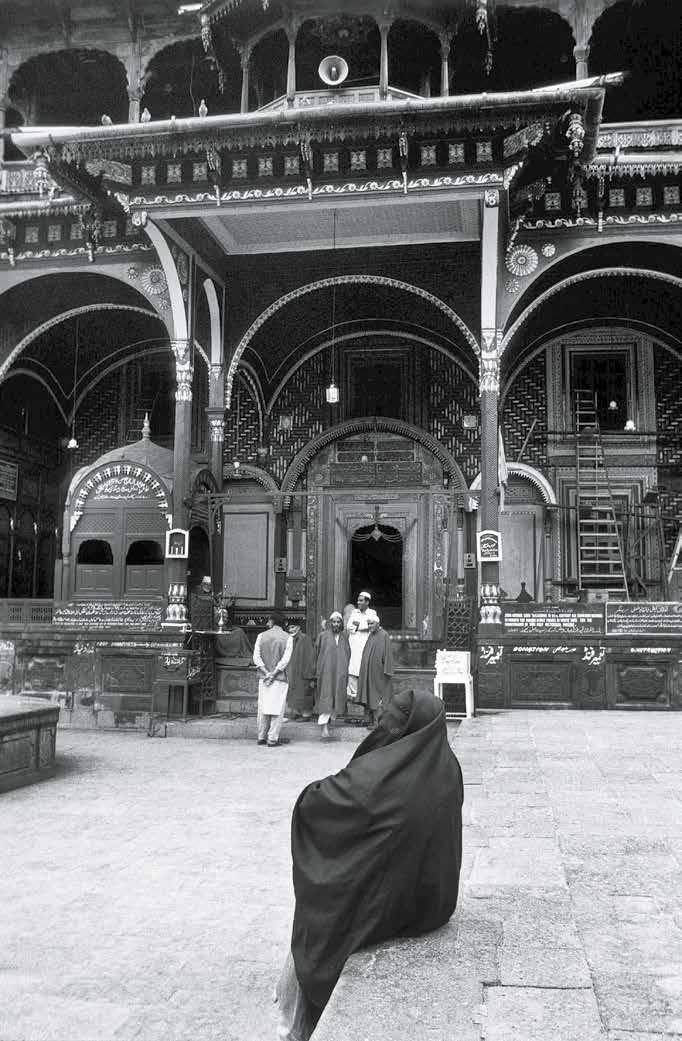
IN the hushed courtyard of a dargah in Lucknow, marigolds lie like scattered prayers. A young girl bends to tie a thread at the lattice wall—eyes closed, silently murmuring her negotiation with the divine. Behind her, a weather-worn plaque bears the name of a benefactor long forgotten by official memory, but still whispered in the wind.
Wazeeran Bai.
The name doesn't appear in textbooks or waqf board archives with any pride. And yet, if you ask the flower-seller at the gate or the old caretaker polishing the brass lamp inside, they'll tell you she was the one who gave the land. For the shrine. For the well. For the girls' library next door.
In Delhi, they say that when Gauhar Jaan died, her jewellery box still had receipts of donations made to mosques and women's clinics in Calcutta. The first Indian voice ever recorded, she was a woman who sang in Hindustani and ironically, gave in silence. In Hyderabad, tales circulate of Rekhti poets—tawaifs who wrote in the voice of women, for women—and funded spaces for literacy in the alleys near Charminar. In Banaras, they remember courtesans who sponsored musicians' pensions and temple musicians' meals—Hindu, Muslim, all. But most of these names are not even in footnotes of history. And there are no museums to preserve their memory.
In Islamic tradition, “waqf” is a gesture of permanence—a property removed from private hands and dedicated, eternally, to public good. A permanent pact between wealth and welfare etched in time between the faithful and the divine. Across empires and centuries, it has served as a cornerstone of religious philanthropy, architectural patronage, and community care. The

Denne historien er fra May 01, 2025-utgaven av Outlook.
Abonner på Magzter GOLD for å få tilgang til tusenvis av kuraterte premiumhistorier og over 9000 magasiner og aviser.
Allerede abonnent? Logg på
FLERE HISTORIER FRA Outlook

Outlook
The Big Blind Spot
Caste boundaries still shape social relations in Tamil Nadu-a state long rooted in self-respect politics

8 mins
December 11, 2025

Outlook
Jat Yamla Pagla Deewana
Dharmendra's tenderness revealed itself without any threats to his masculinity. He adapted himself throughout his 65-year-long career as both a product and creature of the times he lived through
5 mins
December 11, 2025
Outlook
Fairytale of a Fallow Land
Hope Bihar can once again be that impossibly noisy village in Phanishwar Nath Renu's Parti Parikatha-divided, yes, but still capable of insisting that rights are not favours and development is more than a slogan shouted from a stage
14 mins
December 11, 2025

Outlook
The Lesser Daughters of the Goddess
The Dravidian movement waged an ideological war against the devadasi system. As former devadasis lead a new wave of resistance, the practice is quietly sustained by caste, poverty, superstition and inherited ritual
2 mins
December 11, 2025

Outlook
The Meaning of Mariadhai
After a hundred years, what has happened to the idea of self-respect in contemporary Tamil society?
5 mins
December 11, 2025

Outlook
When the State is the Killer
The war on drugs continues to be a war on the poor
5 mins
December 11, 2025

Outlook
We Are Intellectuals
A senior law officer argued in the Supreme Court that \"intellectuals\" could be more dangerous than \"ground-level terrorists\"
5 mins
December 11, 2025
Outlook
An Equal Stage
The Dravidian Movement used novels, plays, films and even politics to spread its ideology
12 mins
December 11, 2025
Outlook
The Dignity in Self-Respect
How Periyar and the Self-Respect Movement took shape in Tamil Nadu and why the state has done better than the rest of the country on many social, civil and public parameters
5 mins
December 11, 2025

Outlook
When Sukumaar Met Elakkiya
Self-respect marriage remains a force of socio-political change even a century later
7 mins
December 11, 2025
Listen
Translate
Change font size