
Gå ubegrenset med Magzter GOLD
Få ubegrenset tilgang til over 9000 magasiner, aviser og premiumhistorier for bare
Languages of a Lesser God?
Outlook
|March 11, 2024
Writing and publishing in Indian languages are terribly devalued today

IN my 44 years of publishing experience in Telugu, I have seen continuous devaluation of Telugu when compared to English—from a section of readers (snob value of English), from English language publishers ( high royalty payments in spite of being aware of the cost of translation into Telugu, which doesn’t receive grants as English language books do), from managers of literary events, and from the English language media. Some of the best-loved writers whom Indians read and have grown up with, have written in Indian languages. Despite this, why is writing and publishing in Indian languages so devalued today?
While the number of Indians writing in English has gone up astronomically, contemporary Indian language writers like B Jeyamohan, Hareesh, Perumal Murugan, Indira Goswami, Charu Nivedita, N S Madhavan, K R Meera, Benyamin, Daya Pawar, Manoranjan Byapari, and Imayam, among others, have a huge fan following. However, this is not reflected in the Books sections of newspapers and magazines, and at literary festivals.
Translations into English have been at the mercy of multinational publishing houses. Let us call them what they are—when we don’t hesitate to call Nestle or Coca Cola multinationals, why not call Penguin or HarperCollins the same? Aren’t Oxford University Press and Cambridge colonial presses? All of them are based on capital coming in from the West in search of newer markets and greater profits, trawling the hitherto sacred world of Indian language literature. Their shareholders control them.
Publishing in India has become an international business. When Perumal Murugan’s book was unofficially banned in 2015, English language publishers clamoured to have him translated while Jeyamohan’s
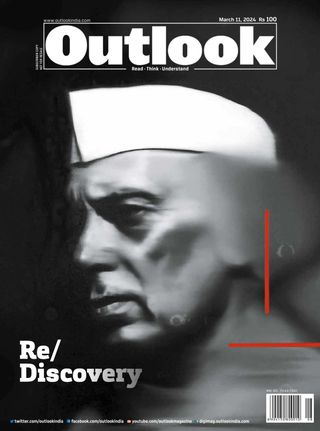

Denne historien er fra March 11, 2024-utgaven av Outlook.
Abonner på Magzter GOLD for å få tilgang til tusenvis av kuraterte premiumhistorier og over 9000 magasiner og aviser.
Allerede abonnent? Logg på
FLERE HISTORIER FRA Outlook

Outlook
The Big Blind Spot
Caste boundaries still shape social relations in Tamil Nadu-a state long rooted in self-respect politics

8 mins
December 11, 2025

Outlook
Jat Yamla Pagla Deewana
Dharmendra's tenderness revealed itself without any threats to his masculinity. He adapted himself throughout his 65-year-long career as both a product and creature of the times he lived through
5 mins
December 11, 2025

Outlook
Fairytale of a Fallow Land
Hope Bihar can once again be that impossibly noisy village in Phanishwar Nath Renu's Parti Parikatha-divided, yes, but still capable of insisting that rights are not favours and development is more than a slogan shouted from a stage
14 mins
December 11, 2025

Outlook
The Lesser Daughters of the Goddess
The Dravidian movement waged an ideological war against the devadasi system. As former devadasis lead a new wave of resistance, the practice is quietly sustained by caste, poverty, superstition and inherited ritual
2 mins
December 11, 2025

Outlook
The Meaning of Mariadhai
After a hundred years, what has happened to the idea of self-respect in contemporary Tamil society?
5 mins
December 11, 2025

Outlook
When the State is the Killer
The war on drugs continues to be a war on the poor
5 mins
December 11, 2025

Outlook
We Are Intellectuals
A senior law officer argued in the Supreme Court that \"intellectuals\" could be more dangerous than \"ground-level terrorists\"
5 mins
December 11, 2025
Outlook
An Equal Stage
The Dravidian Movement used novels, plays, films and even politics to spread its ideology
12 mins
December 11, 2025
Outlook
The Dignity in Self-Respect
How Periyar and the Self-Respect Movement took shape in Tamil Nadu and why the state has done better than the rest of the country on many social, civil and public parameters
5 mins
December 11, 2025

Outlook
When Sukumaar Met Elakkiya
Self-respect marriage remains a force of socio-political change even a century later
7 mins
December 11, 2025
Listen
Translate
Change font size