Prøve GULL - Gratis
Justice as Performance
Outlook
|July 01, 2025
In an era when court proceedings are being livestreamed, it looks like justice is being done to be seen. Not seen to be done, as it should be. This has grave implications for the quality of justice itself
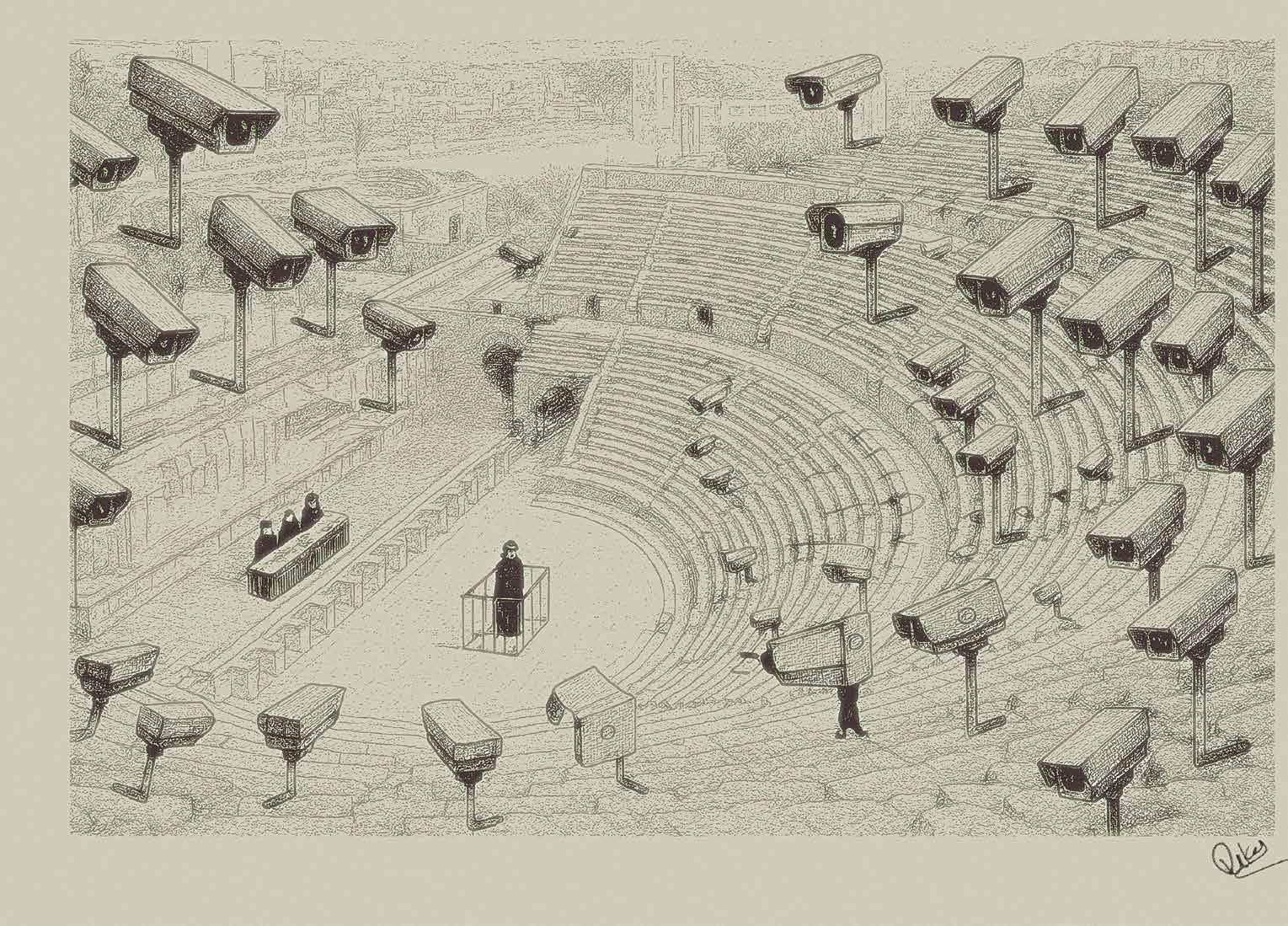
THERE is a growing tendency for oral comments and observations made in the course of court proceedings by judges of our constitutional courts to echo popular sentiments, instead of stemming from any legal principle. This is perhaps a good time to pause and reflect on where we are today, how we got here and where we are heading.
On April 27, 1959, Sylvia Nanavati confessed to her husband, Naval Commander Kawas Manekshaw Nanavati, that she was having an affair with businessman Prem Ahuja. Nanavati dropped his wife and children at a cinema theatre and proceeded to his ship, where he obtained a service revolver and six cartridges. He then drove to Ahuja’s house, confronted him and fired three shots at him with his service revolver, killing him instantly. Nanavati then surrendered before the police and admitted to having killed Ahuja. The case gained intense media attention, owing to the dramatic elements of infidelity, honour and revenge that it involved, and public sentiment swung wildly in favour of Nanavati as the wronged husband who avenged an attack on his honour. Upon trial, a nine-member jury returned a verdict of not-guilty by 8:1 and acquitted Nanavati. Finding the verdict to be driven by public sentiment and personal biases of the jurors, rather than legal considerations, the Bombay High Court overturned the verdict and sentenced Nanavati to life imprisonment. The Supreme Court dismissed the appeal and upheld the decision.


Denne historien er fra July 01, 2025-utgaven av Outlook.
Abonner på Magzter GOLD for å få tilgang til tusenvis av kuraterte premiumhistorier og over 9000 magasiner og aviser.
Allerede abonnent? Logg på
FLERE HISTORIER FRA Outlook

Outlook
Joy Words Club
Lit fests are defined by their audience. Organisers, speakers, curators are all replaceable but not the readers, not the audience

4 mins
February 01, 2026

Outlook
The Sting of the Bar
India today has more than 4.3 lakh undertrial prisoners. A significant number of them are linked to political cases
8 mins
February 01, 2026
Outlook
The Dispossessed
The systematic creation of criminal and security legislations view Adivasis as an inherently suspect class of criminals and terrorists
8 mins
February 01, 2026

Outlook
The Hypocrisy of Liberals
Favour of the self-proclaimed 'liberals' is lost the minute religion intervenes
5 mins
February 01, 2026
Outlook
Inside the Phansi Yard
Death row intensifies the structured brutalities of the penal system and reminds us why the struggle against the death penalty must also include the fact of prison violence
9 mins
February 01, 2026
Outlook
The Detention Legacy
Since Independence, a number of laws have been enacted that allow preventive detention which have been widely used by all regimes against their political opponents
7 mins
February 01, 2026
Outlook
“This Could Happen to You
The Bhima Koregaon case is not only about those who were imprisoned. It is also about the fate of democracy itself
8 mins
February 01, 2026

Outlook
"I Remember Swinging Between Hope and Despair"
HOPE and despair are basic human emotions and I believe that all human beings, now and then, swing between these two ends of the spectrum in life.
2 mins
February 01, 2026

Outlook
Think Ink
In 2026-the 'year of analog'-how will our relationship with literary festivals evolve?
6 mins
February 01, 2026

Outlook
Who Stole My Youth?
A Delhi district court granted Mohammad Iqbal bail in the riots case within three months. On March 18, 2025, he was discharged in the Babbu murder case, even as the riots trial continues
6 mins
February 01, 2026
Listen
Translate
Change font size