
Gå ubegrenset med Magzter GOLD
Få ubegrenset tilgang til over 9000 magasiner, aviser og premiumhistorier for bare
Prøve GULL - Gratis
A prince among plantsmen
Country Life UK
|April 02, 2025
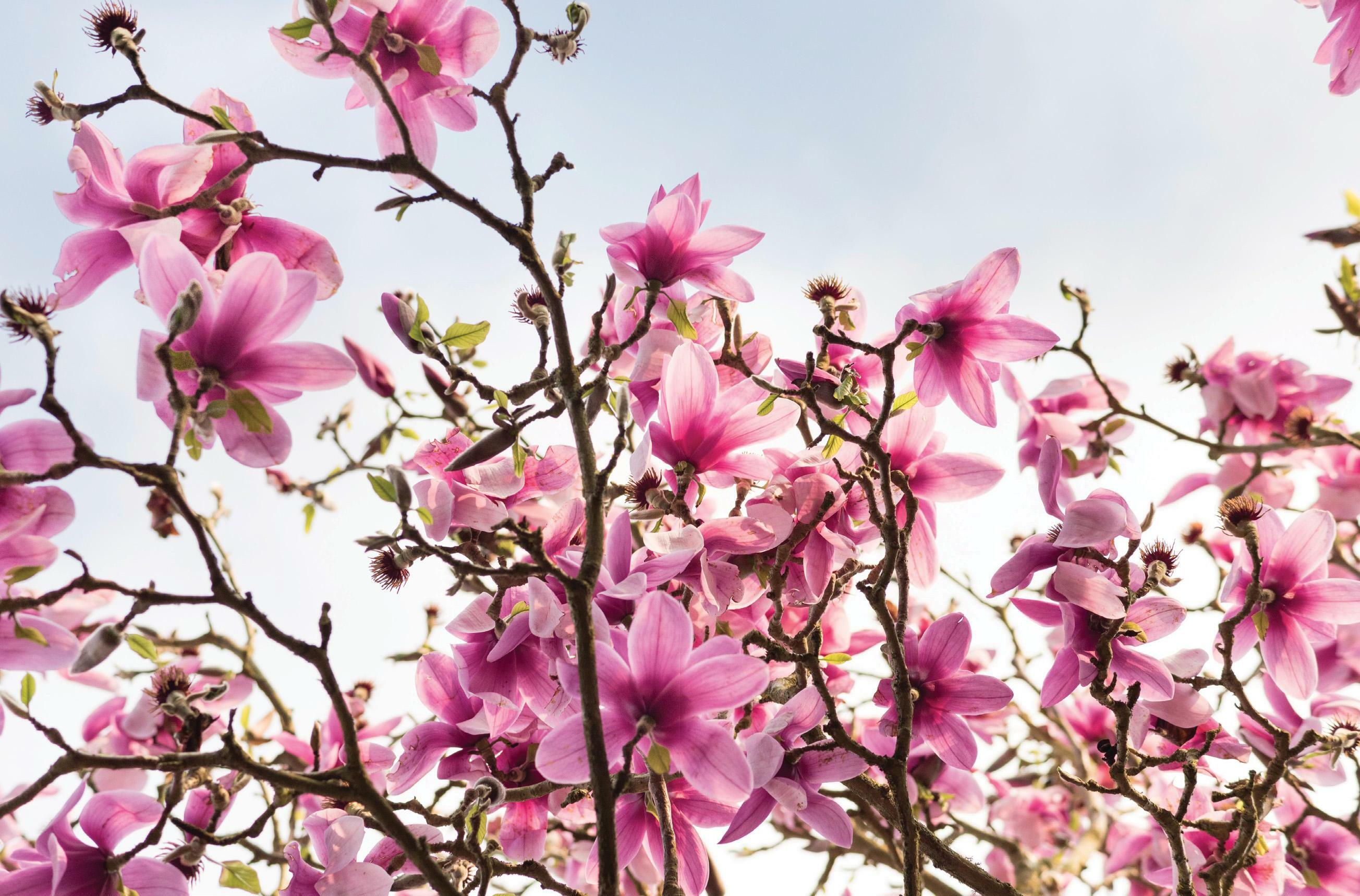
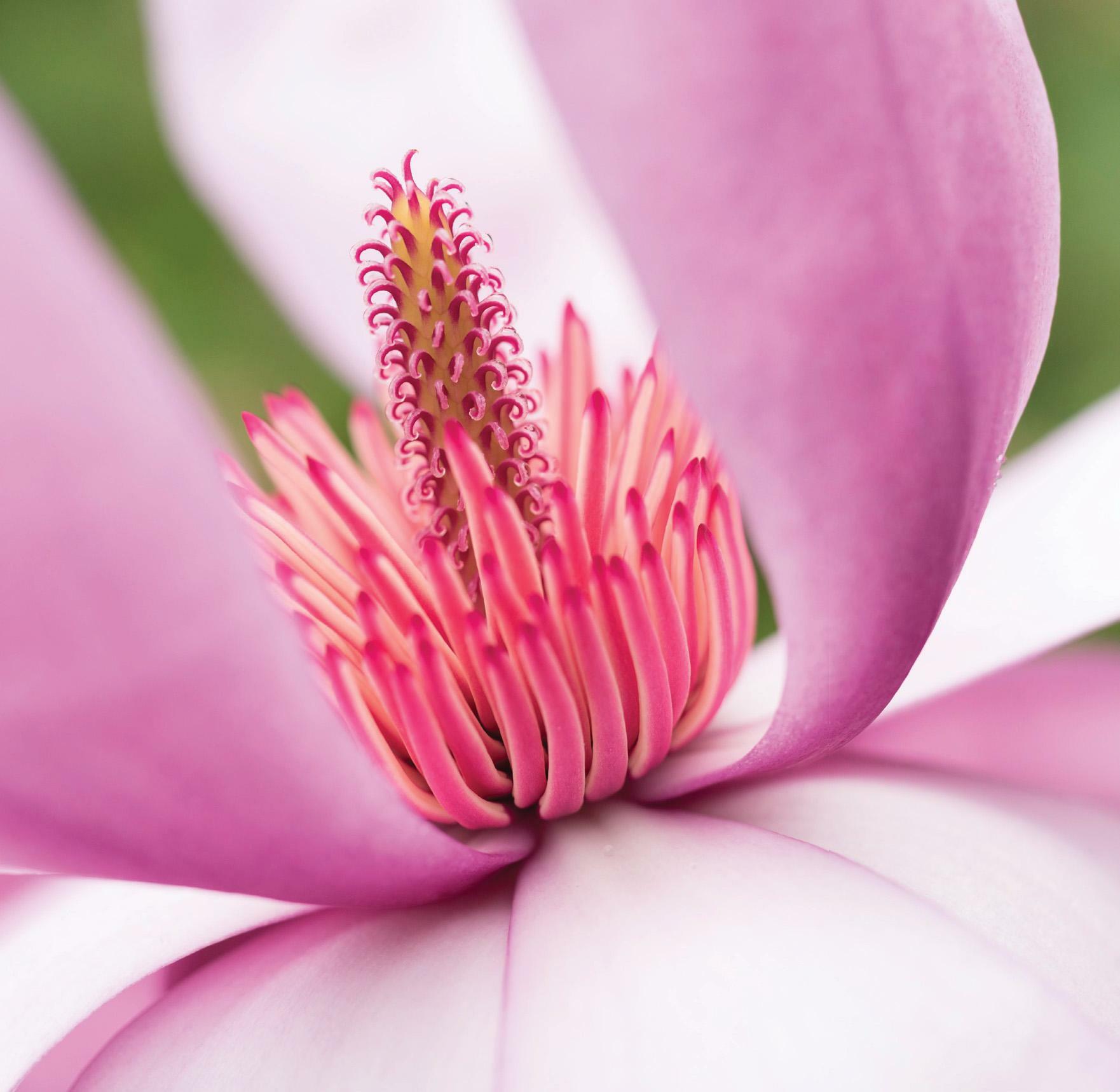
The magnificent magnolias, many of them collected as seed in the wild, are only one aspect of this enthralling garden
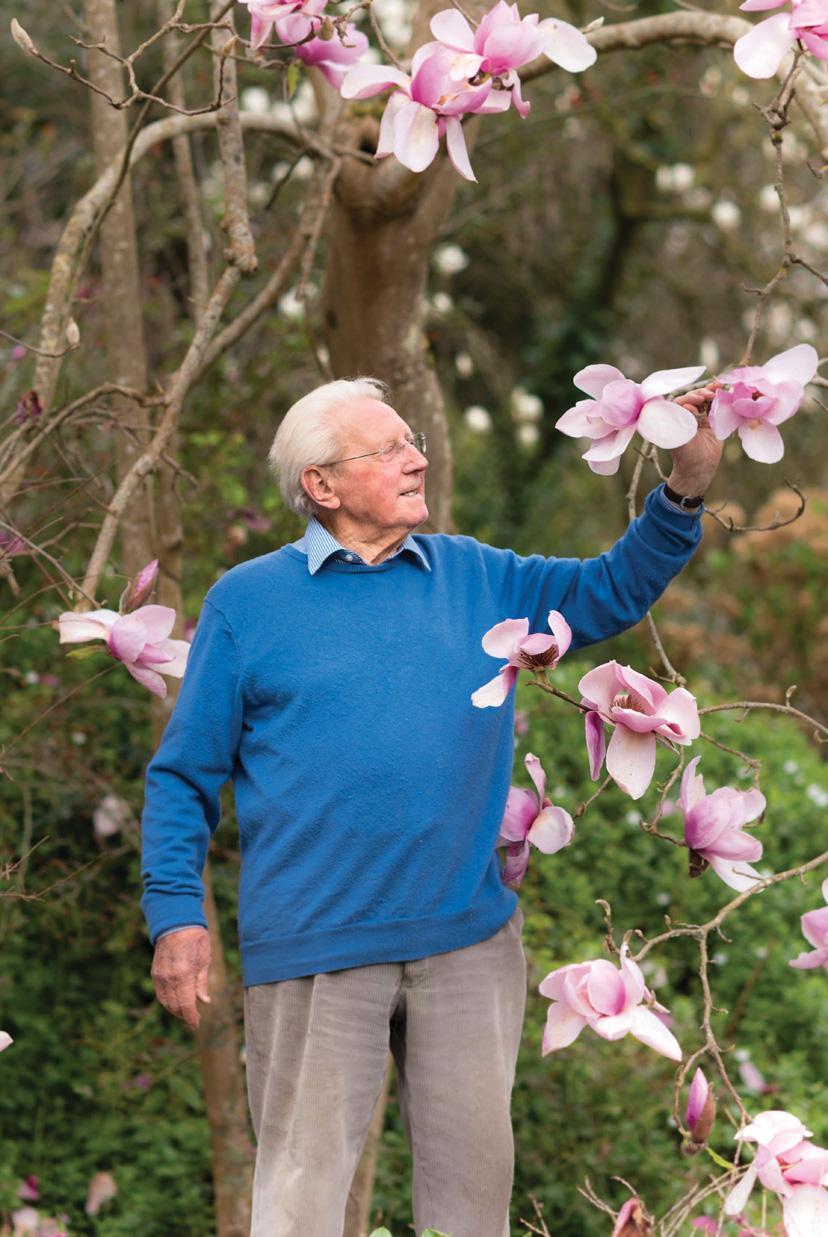
IF anyone deserves the title of the plantsman's plantsman it is Maurice Foster.' That was the verdict of the horticultural luminary Hugh Johnson after a visit to White House Farm in 2017.
Mr Foster's wisdom, experience, energy and enthusiasm for plants are admired by everyone who meets him. His memory is phenomenal, too-he can tell you where every one of the 6,000 plants in his collection came from and whether he thinks it is correctly named.
 In 1971, Mr Foster and his late wife, Rosemary, bought White House Farm in Kent specifically because they wanted to make a large garden and grow trees and shrubs, such as magnolias. It came with five acres of land, to which they added a seven-acre apple orchard that is now the site of their arboretum and, later, three acres of woodland. The garden is 500ft above sea level, at the top of a ridge, so that winter frosts roll down to the valleys below. It is also extremely thickly planted, so that a great number of tender plants that would not normally survive flourish in the sheltered woodland areas.
  The soil is variable, but is mostly a light loam with a pH of 5.5 to 6.5. Parts are quite stony and there are occasional veins of clay. Throughout the holding are seams of Kentish ragstone, an impermeable limestone that was once widely used as a damp course in local buildings. Apart from a century-old Bramley apple tree near the house, every single tree and shrub in the garden at White House Farm was planted by the Fosters in ground that they had cleared by hand.

Denne historien er fra April 02, 2025-utgaven av Country Life UK.
Abonner på Magzter GOLD for å få tilgang til tusenvis av kuraterte premiumhistorier og over 9000 magasiner og aviser.
Allerede abonnent? Logg på
FLERE HISTORIER FRA Country Life UK
Country Life UK
Opposites can attract
As a big bookcase designed by Peter Waals proves large pieces of furniture can do well, a notable collection shows harmony can be born from difference

3 mins
June 03, 2026
Country Life UK
His green and pleasant land
Few artists travelled as little as John Constable, but his deep knowledge of the parts of England he loved gave him insights that others missed. Susan Owens explores the places that delighted him
6 mins
June 03, 2026
Country Life UK
Dreaming of roses
A thousand English roses now bloom in the restored walled garden that forms the heart of this 27-acre estate, writes Charles Quest-Ritson
4 mins
June 03, 2026

Country Life UK
Ring for peace
A COPIOUS quantity of apple strudel became the unintended consequence of a winter walking holiday in the Austrian Tyrol.
2 mins
June 03, 2026
Country Life UK
Best of the pests
Pity the feral pigeon: long campaigned against as an urban nuisance, it is the descendant of birds lured into human service, some of which distinguished themselves in wartime
3 mins
June 03, 2026

Country Life UK
Red alert
The time is ripe for tomatoes in every form. We are days into British Tomato Fortnight (June 1–14) and weeks from Royal Ascot (June 16–20), where Bright Tomato has been declared the inaugural Colour of the Year by Ascot creative director Daniel Fletcher.
1 mins
June 03, 2026
Country Life UK
Totally tropical
I FIRST grew pineapple guava, also called feijoa (Acca or Feijoa sellowiana) almost a quarter of a century ago, when there were few nurseries stocking them.
3 mins
June 03, 2026

Country Life UK
Brewed awakening: where London learnt to talk
Rupert Clague explores how caffeine-fuelled conversation in Hanoverian London’s ‘penny universities’ helped shape the modern world—and where that same spirit still lingers today
5 mins
June 03, 2026

Country Life UK
The legacy Percy Shaw and cat's eyes
BEHIND the retina in a cat’s eyes lurks the tapetum lucidum, a layer of tissue that acts as a mirror, or a retroreflector, and allows the animal to see in the dark.
1 mins
June 03, 2026
Country Life UK
Britain is told to spill the beans
HOME-GROWN legumes have a vital role to play in strengthening national food security and reducing the UK's increasing reliance on imported food, the audience heard at last month's UK Legume Research Community Conference, held at the James Hutton Institute in Invergowrie, Perthshire.
2 mins
June 03, 2026
Listen
Translate
Change font size