
Gå ubegrenset med Magzter GOLD
Få ubegrenset tilgang til over 9000 magasiner, aviser og premiumhistorier for bare
Where to Stash Your Investments
Kiplinger's Personal Finance
|September 2022
Use our guide to decide which assets belong in a taxable account and which go into a tax-advantaged account.
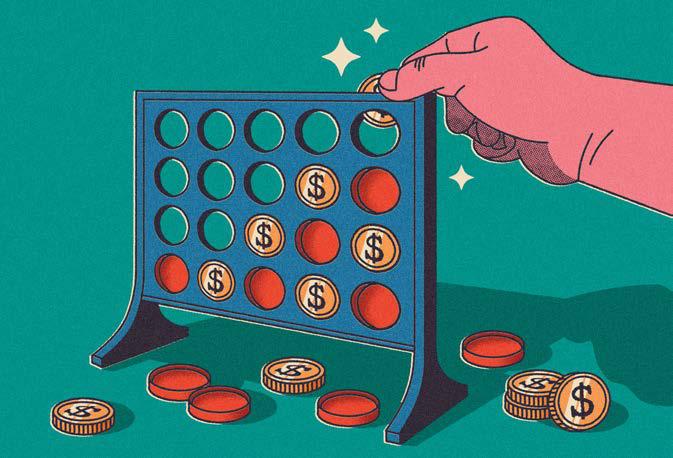
WHICH INVESTMENTS YOU HOLD matters (and in what proportions), but so, too, does where you hold them, whether it's in a tax-advantaged account or a taxable one. A recent lawsuit against Vanguard Group reveals how important such a decision can be.
Earlier this year, three investors sued Vanguard for negligence and breach of fiduciary duty after the investment company's target-date funds made a substantial capital gains distribution in late 2021, generating an unexpected tax bill for the plaintiffs (and other Vanguard investors). (Mutual funds are required to pass on any realized net gains to fund shareholders at least once a year.) But if the investors had held those mutual fund shares in tax-sheltered accounts instead of in taxable ones, the unwelcome tax bill could have been avoided.
Just as taxable and tax-advantaged investment accounts get different tax treatment, so do certain types of investment income. The strategy of divvying up your assets into certain types of accounts to lower your tax bill is called asset location. The general advice is to hold less-tax-efficient investments in tax-sheltered or tax-free accounts, such as an IRA, an employer-sponsored 401(k) or a Roth version of either, and to put tax-efficient assets in a taxable account.
Of course, much may depend on how much money you have, your time frame and cash needs, and whether you're a buy-and-hold investor or an active trader, among other things. Tax considerations shouldn't drive every decision, says Boston, Mass., certified financial planner Jay Karamourtopoulus, but ultimately, "a well thought out asset location plan can reap many benefits and should be addressed." Below, we tackle the strategy with a long-term view and break down which investment assets are best, generally speaking, for tax-deferred accounts, tax-free ones and, of course, taxable accounts. Tax rules guide the advice, which we'll get into in each section.

Denne historien er fra September 2022-utgaven av Kiplinger's Personal Finance.
Abonner på Magzter GOLD for å få tilgang til tusenvis av kuraterte premiumhistorier og over 9000 magasiner og aviser.
Allerede abonnent? Logg på
FLERE HISTORIER FRA Kiplinger's Personal Finance

Kiplinger's Personal Finance
A Helping Hand for the Homeless
This nonprofit offers shelters, job programs, support in finding a home and more.

2 mins
January 2026

Kiplinger's Personal Finance
Downsizing Advice, Part II
My column on downsizing (see “Living in Retirement,” Oct.) struck a chord with readers. I heard from many who offered advice on successfully culling clutter.
2 mins
January 2026
Kiplinger's Personal Finance
WHY COMPANY GUIDANCE MATTERS
Understanding how corporate profit forecasts affect analysts' estimates and stock ratings can help you make investment decisions.
4 mins
January 2026

Kiplinger's Personal Finance
WHAT SCIENCE REVEALS ABOUT MONEY AND A HAPPY RETIREMENT
Whether you're still planning or already retired, these research-based insights point the way to your best post-work life.
12 mins
January 2026

Kiplinger's Personal Finance
WHAT TO KNOW ABOUT FLOOD INSURANCE
Even if your home is outside a high-risk area, you may want to purchase coverage.
2 mins
January 2026

Kiplinger's Personal Finance
My Retirement Learning Curve
THE NEW WORLD OF RETIREMENT
2 mins
January 2026

Kiplinger's Personal Finance
CREATE A FINANCIAL PLAN WITH THESE TOOLS
Online programs for do-it-yourselfers are better than ever-and they're affordable, too.
9 mins
January 2026

Kiplinger's Personal Finance
2026 MONEY CALENDAR
These key dates and tips will help you make the most of your money in the new year.
7 mins
January 2026
Kiplinger's Personal Finance
Should You Renew Your CD?
AFTER you put money in a certificate of deposit, you can sit back while it collects interest over its term. Once it reaches maturity, you'll face a decision: renew it or withdraw the funds.
1 mins
January 2026

Kiplinger's Personal Finance
GIVING THE BULL THE BENEFIT OF THE DOUBT
KIPLINGER: What do you see ahead for financial markets in 2026? Do you have a target price for the S&P 500?
5 mins
January 2026
Translate
Change font size