
Gå ubegrenset med Magzter GOLD
Få ubegrenset tilgang til over 9000 magasiner, aviser og premiumhistorier for bare
The life-changing power of rising early
WellBeing
|Issue 204
There are multiple benefits to be gained by getting out of bed early. Mounting research suggests the early bird catches the worm and more.

Imagine a small lifestyle tweak that could simultaneously reduce your weight and risk of depression and boost your productivity. Not only is this free, but something almost anyone can have a go at. An old-fashioned behaviour our grandparents would have prescribed, it’s as simple as getting up early on a regular basis. Early to bed and early to rise makes a man healthy, wealthy and wise” so the well-known saying goes. More intriguingly, science is supporting the age-old adage. So why does life favour the lark? Want to know more about what becoming an early riser could do for you? Read on.
The rhythm of life
In recent years there’s been a surge in research-based recognition of oldfashioned health advice, like sleep, exercise and eating more plant foods. As part of this powerful health triad of sleep, exercise and diet a good sevenor eighthour dose of nightly slumber is routinely promoted by most sleep experts.
More recently, though, it’s been discovered that when we do stuff, including going to bed and getting up, is also pivotal to our health. The underlying theory behind this is based on an emerging science known as chronobiology.
Chronobiology
Chronobiology is the scientific study of circadian rhythms the cyclical 24-hour biological activities) and the impact of solar and lunar patterns upon them, as well as the application of this knowledge to human health and other species in nature. Central to chronobiology is the understanding that from the lengthy perspective of evolution our bodies remain powerfully shaped by light and its absence darkness. Being awake and active during the day and tucked safely into a cave at night favoured our ancestors, helping them maximise opportunities such as food in their surroundings as well as avoid dangers like predators. This adaptation of our biology to light and darkness remains rooted in our genes today.
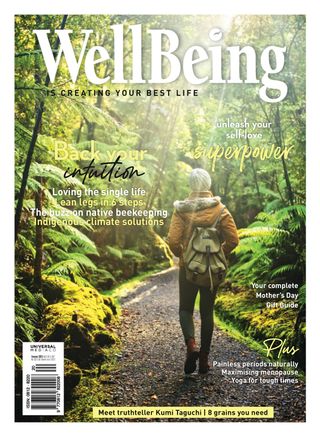

Denne historien er fra Issue 204-utgaven av WellBeing.
Abonner på Magzter GOLD for å få tilgang til tusenvis av kuraterte premiumhistorier og over 9000 magasiner og aviser.
Allerede abonnent? Logg på
FLERE HISTORIER FRA WellBeing

WellBeing
In Season
These are the fruit and vegetables that are currently in season and so will be the freshest.

1 min
Issue 218

WellBeing
Navigating complementary medicines
For practitioners, quality and evidence matter more than ever. SFI Health is raising the bar with gold-standard formulations that don't compromise on clinical integrity.
5 mins
Issue 218

WellBeing
Too much of a good thing
Even well- intentioned health choices can sometimes contribute to unexpected problems.
3 mins
Issue 218
WellBeing
What we've been up to
WellBeing's editor Dana has been soaking up slow moments of warmth this winter.
1 min
Issue 218
WellBeing
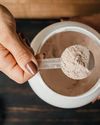
Could creatine have a dark side?
Creatine is a multitalented wonder potion we all need to protect us against the ravages of ageing.
3 mins
Issue 218

WellBeing
ACS Distance Education
The secret to a successful career.
3 mins
Issue 218

WellBeing
Yoga for Energy Vampires
In yoga, prana is our life force and acts as a bridge between universal consciousness and matter.
8 mins
Issue 218

WellBeing
Chinese medicine dietary therapy
Food therapy may augment TCM herbal therapy or sustain improvements after herbal treatments have ceased. It may also be used in prevention, to nourish health and prolong life.
3 mins
Issue 218
WellBeing
AcuEnergetics®
AcuEnergetics received widespread attention in the media when founder Kevin Niv Farrow treated the captain of the NSW State of Origin team Boyd Cordner for a calf injury. Since then, the unique treatment modality has continued to capture the attention of other high-profile sports stars.
1 mins
Issue 218
WellBeing
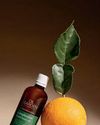
Honouring a legacy in aromatherapy
Our oils are extracted with precision and care to ensure the active plant compounds remain intact, preserving the therapeutic benefits from field to bottle.
3 mins
Issue 218
Translate
Change font size