
Gå ubegrenset med Magzter GOLD
Få ubegrenset tilgang til over 9000 magasiner, aviser og premiumhistorier for bare
Prøve GULL - Gratis
Garden-Scale Crop Rotation
Hobby Farms
|January / February 2026
You don't have to be a big-time farmer to benefit from rotating crops.
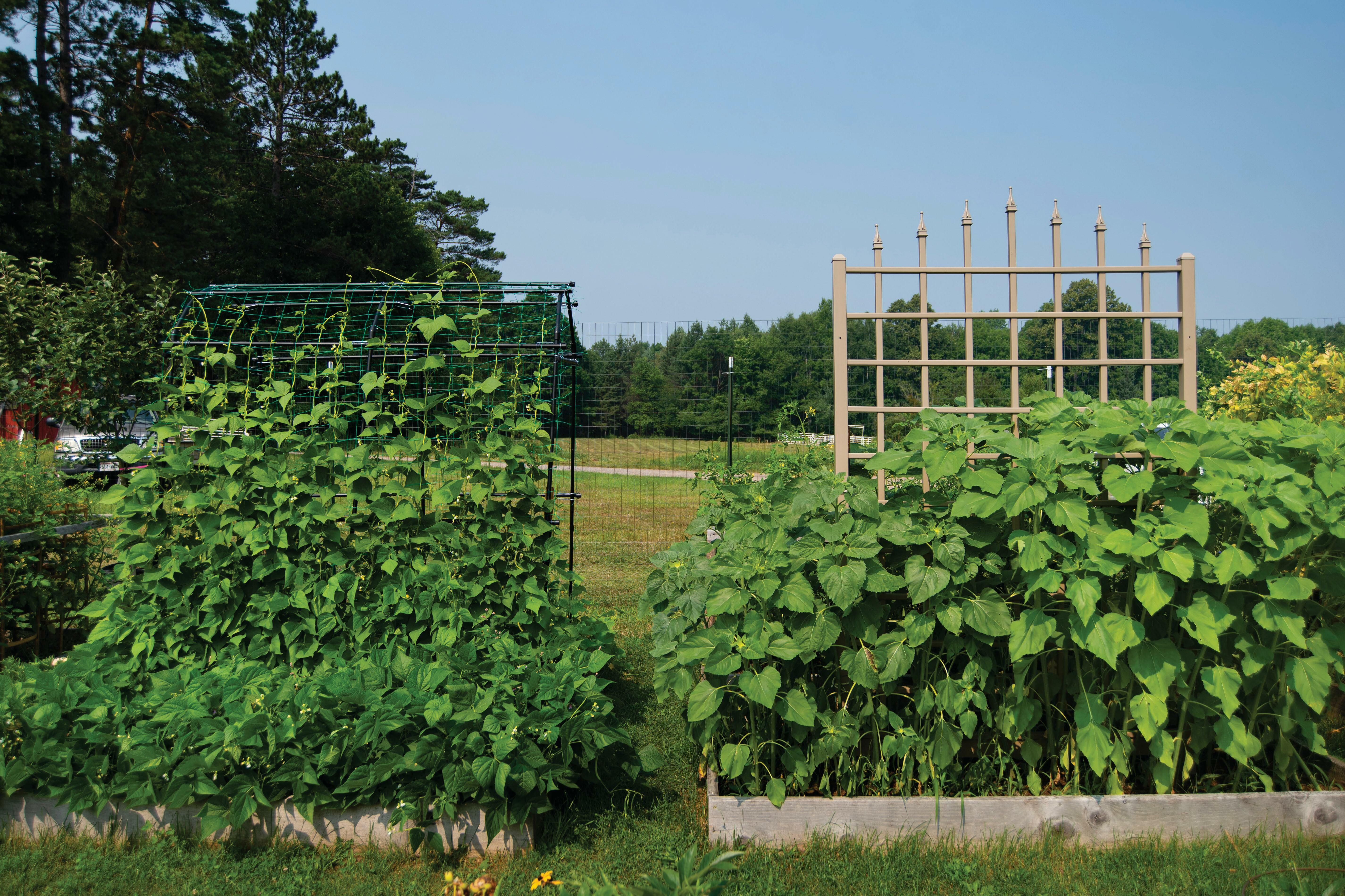
Beans are ideal for crop rotation because their roots enrich the soil with nitrogen through a process called nitrogen fixation.
Large-scale agriculture depends heavily on crop rotation.
Legumes such as soybeans, alfalfa or clover are often grown following heavy-feeders such as wheat, corn or canola to help replenish nitrogen in the soil. Crop rotation also helps to break cycles of damaging insects, plant disease, while at the same time encouraging the growth of varying root systems to benefit soil structure.
All these benefits can help reduce farm dependency on chemical fertilizers, herbicides and pesticides. But what about backyard gardeners? When your biggest crops are a few beds of peas, tomatoes, squash or potatoes, it's easy to think crop rotation doesn't apply to you. But it does. The same benefits that large-scale agriculture gains with crop rotation can work just as effectively without the boundaries of a family-sized vegetable garden. Let's look at the three main ways crop rotation can help you.
NITROGEN FIXING
Planting with soil nitrogen in mind isn't just for big farms. It's an equally valid way to operate your vegetable garden, too.
Nitrogen is one of the three important “macro-nutrients” that plants need in their soil: nitrogen represents the “N” of “NPK” fertilizers, along with phosphorus (P) and potassium (K). Crops depend on nitrogen to facilitate their all-important photosynthesis (energy creation from the sun) and to build amino acids. Healthy nitrogen levels in the soil also help plants develop abundant leaves and biomass.


Denne historien er fra January / February 2026-utgaven av Hobby Farms.
Abonner på Magzter GOLD for å få tilgang til tusenvis av kuraterte premiumhistorier og over 9000 magasiner og aviser.
Allerede abonnent? Logg på
FLERE HISTORIER FRA Hobby Farms
Hobby Farms
NEW YEAR, NEW CROPS
As you make your garden plans for this season, consider these picks from growers across the country.

6 mins
January / February 2026
Hobby Farms
Garden-Scale Crop Rotation
You don't have to be a big-time farmer to benefit from rotating crops.
4 mins
January / February 2026
Hobby Farms
BELTED GALLOWAY CATTLE
The unique appearance of Belted Galloway cattle inspires many questions about their origins.
1 min
January / February 2026
Hobby Farms
Goat Parasites
Grazing on an overly soiled pasture can sometimes lead parasites in your goat herd.
3 mins
January / February 2026

Hobby Farms
Rediscover Ancient Grains
Explore these nutritious and adaptable grains, known by many cultures over thousands of years.
8 mins
January / February 2026

Hobby Farms
HIGHLAND CATTLE
Highland cattle are an old heritage breed known to have grazed the rugged Scottish landscape since the 6th century.
1 mins
January / February 2026
Hobby Farms
SAY CHEESE
KEEP 'EM COMING
1 min
January / February 2026

Hobby Farms
DIY Essential Oils
Steam-distill your own essential oils at home.
6 mins
January / February 2026
Hobby Farms
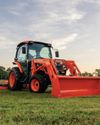
Kubota Goes Grand
Kubota Tractor Corp. has unveiled its latest innovation for small-scale farmers and landowners: the Grand L70 Series. Designed with residential and commercial users in mind, this series blends power, comfort and cutting-edge technology into one versatile machine. With three configurations available — premium, deluxe and cold weather — the Grand L70 Series is built to meet the diverse needs of today’s small farms and rural properties.
1 min
January / February 2026

Hobby Farms
Raising a Bottle Calf
Being raised on a dairy farm, I don't remember a time when I wasn't well-versed in the raising of bottle calves.
9 mins
January / February 2026
Listen
Translate
Change font size