Prøve GULL - Gratis
Native Prairie Plants for Any Size Garden
Garden Gate
|Nature Friendly Gardening 2026
Long before central North America was settled and developed, large swaths of verdant prairies teeming with diverse flora and fauna thrived there.
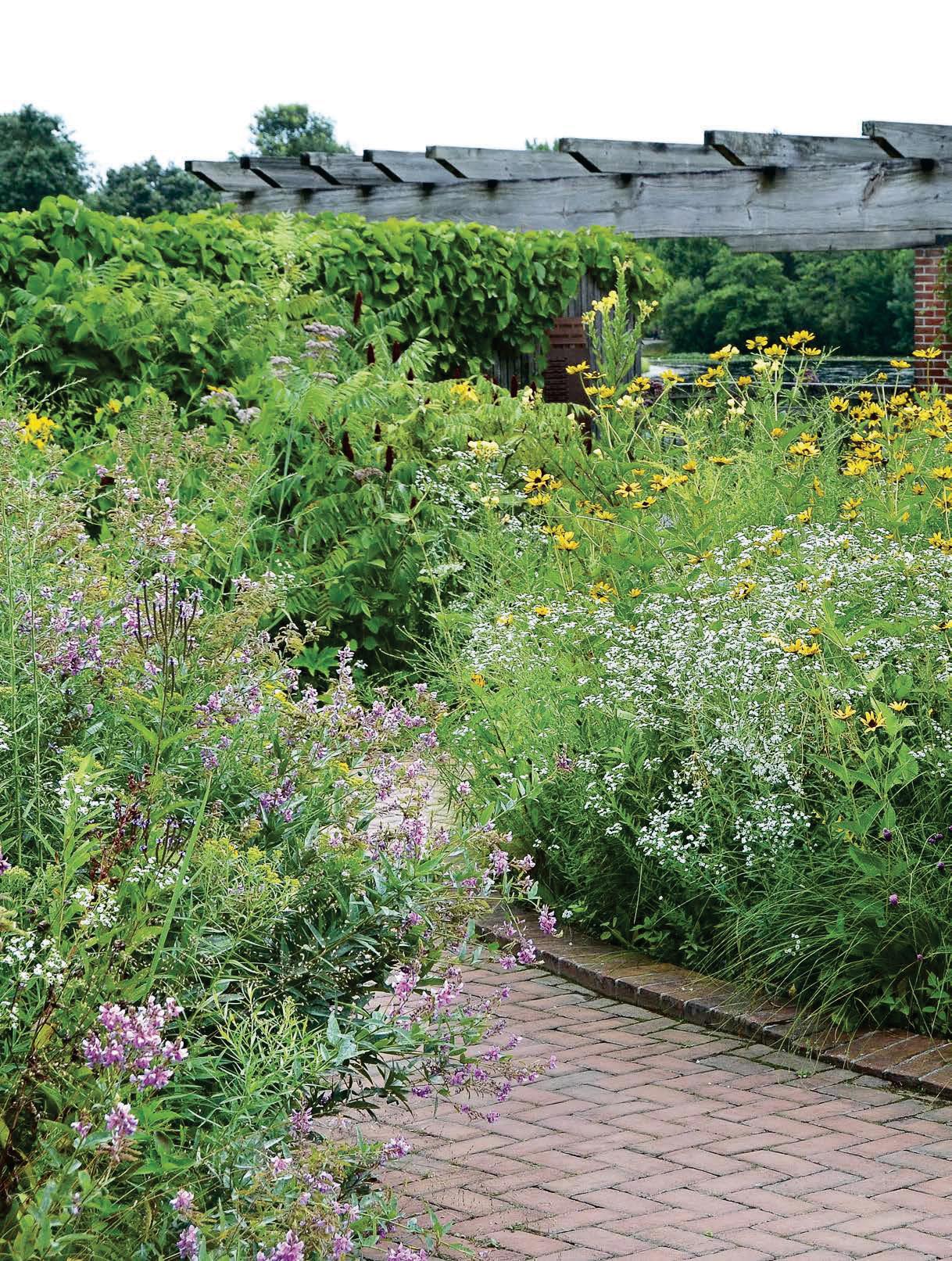
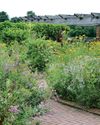
A pergola and brick walkway lend a sense of order to this micro prairie at the Chicago Botanic Garden, where finches happily devour the seeds of the golden false sunflowers.
Expansive grasslands existed from Canada south to Texas, and from Indiana west to Colorado. Though few original prairies still exist, gardeners across America have begun to take action to restore prairie plantings right in their own backyards.
WHY A PRAIRIE? Prairie gardens, especially more expansive and interconnected ones, offer habitat, food and refuge for vital pollinator and wildlife populations. Also, compared to turf grass, mature prairie plantings require less water, fertilizer, fossil fuels and effort to maintain. That's because many native prairie plants are naturally drought tolerant, pest resistant and adaptable to low-nutrient soils.
Though original prairie plant communities were comprised of 60 to 70 percent grasses and sedges, urban prairie restorations of all sizes often limit that amount to 30 to 40 percent, leaving more room for wildflowers. Using fewer grasses helps in maintenance, since some may dominate by spreading too rapidly. In the next few pages, I'll show you grasses and sedges that could form the backbone of your prairie garden; then I'll share lots of wildflowers.
GET STARTED By their nature, prairies are large, open expanses of land where native plants spread easily and abundantly. If you choose to grow native species in your own prairie garden, you will need plenty of room—at least a few acres—for the plants to spread and achieve the “wild” look you are going for. If you are limited on space, you can still get many of the same benefits by growing a micro prairie (learn more about that below) using the native cultivars I've called out as “Micro Prairie Picks” in the coming pages. They often take up less room and are not rampant spreaders.

Denne historien er fra Nature Friendly Gardening 2026-utgaven av Garden Gate.
Abonner på Magzter GOLD for å få tilgang til tusenvis av kuraterte premiumhistorier og over 9000 magasiner og aviser.
Allerede abonnent? Logg på
FLERE HISTORIER FRA Garden Gate
Garden Gate
THREE WATER-WISE GARDEN HACKS
The garden is the home’s largest consumer of water.

8 mins
Nature Friendly Gardening 2026
Garden Gate
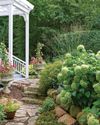
Bring the Beauty of Hydrangeas Into Your Garden With This North American Native.
You needn't be a botanist nor even a studied gardener to know a hydrangea when you see it.
5 mins
Nature Friendly Gardening 2026
Garden Gate
Native Prairie Plants for Any Size Garden
Long before central North America was settled and developed, large swaths of verdant prairies teeming with diverse flora and fauna thrived there.
8 mins
Nature Friendly Gardening 2026
Garden Gate
Bring in the Birds
The right native plant species can make your garden an avian haven.
7 mins
Nature Friendly Gardening 2026
Garden Gate
Bee Balm
Butterflies and pollinating insects can't resist this bold summer perennial.
7 mins
Nature Friendly Gardening 2026
Garden Gate
Plants for Pollinators
One of the biggest reasons for the dwindling pollinator population is habitat loss.
4 mins
Nature Friendly Gardening 2026
Garden Gate
Native Bees Find Winter Shelter in Surprising Places
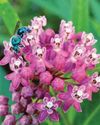
As the buzz of busy bees gave way to the rustle of fallen leaves in my autumn garden, the last of the bumblebee stragglers hit up fading mountain mint blooms.
2 mins
Nature Friendly Gardening 2026
Garden Gate
Native Plants
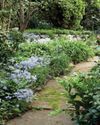
Solve Shade Garden Challenges
6 mins
Nature Friendly Gardening 2026
Garden Gate
No-Spray Bug Solutions
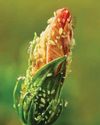
Try a few of these 7 methods to deter bugs without resorting to pesticides.
5 mins
Nature Friendly Gardening 2026
Garden Gate
THE NEW NATURAL
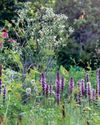
Grow a thriving oasis filled with life.
6 mins
Nature Friendly Gardening 2026
Listen
Translate
Change font size