Prøve GULL - Gratis
THE COMEDIAN
The New Yorker
|July 07 - 14, 2025 (Double Issue)
My father worked nights as the desk attendant at a cheap hotel downtown. It was a thankless job behind bulletproof glass, which was all he had to shield him from demented drunks and screeching prostitutes, from seven in the evening until four in the morning, the poor man.
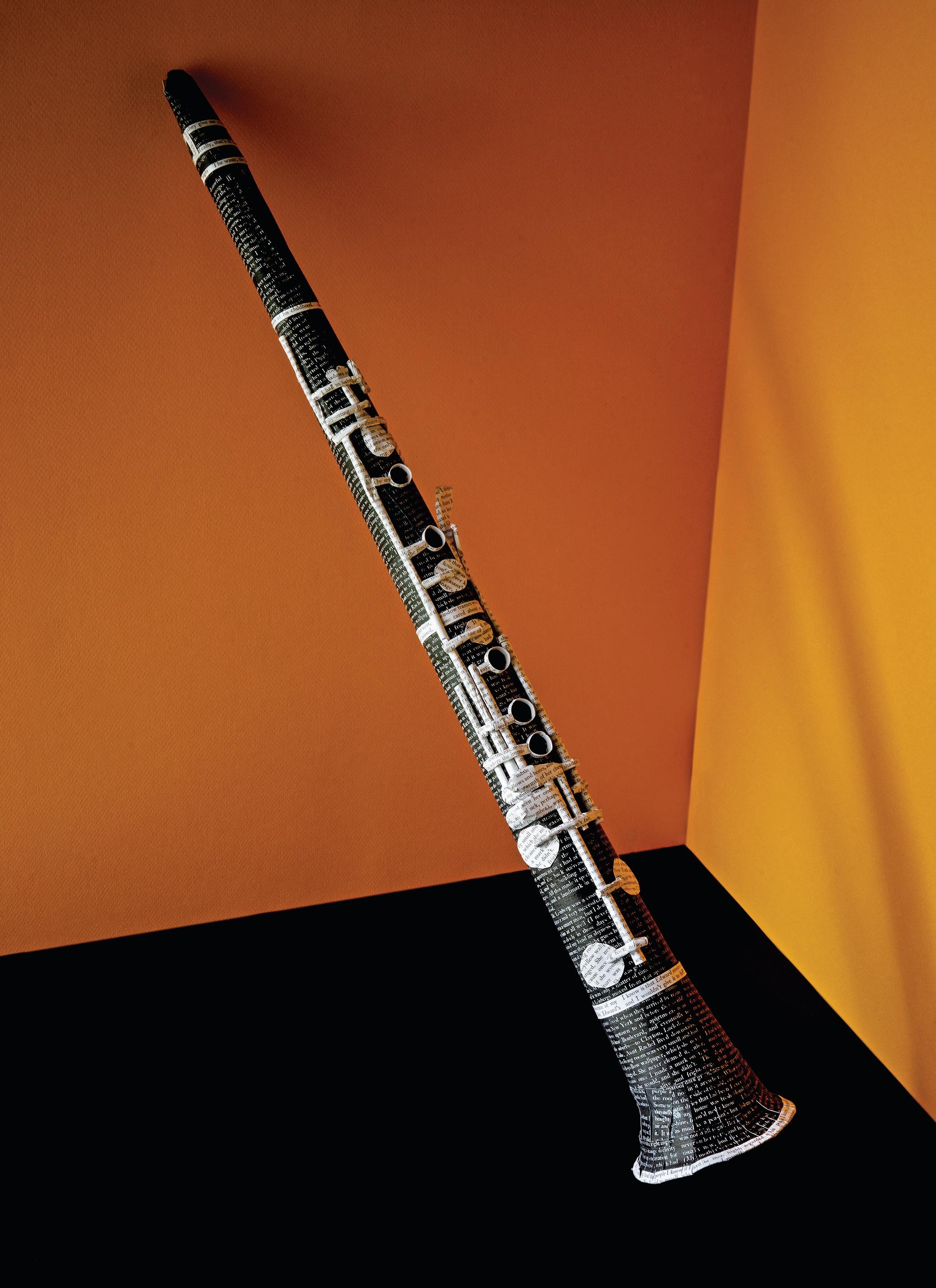
But he had to do it. The next month's rent was always due. Life cost money. I was in high school and growing so quickly that I needed new shoes all the time. And he had to pay my clarinet teacher and the girl who came to clean once a week. My mother hadn't been able to work for years already. By the time I turned sixteen, she was completely blind, and so, while my father was downtown with the scum of the earth, it was my job to keep my mother company, to feed her and put her to bed, etcetera.
Our ground-floor apartment had no views but was crowded with city noises all the same. My mother insisted that we keep the windows shut at all times because, I think, it pained her to hear life happening outside. From our kitchen windows, all you could see was the gray courtyard, pale walls with marks like blood splatter from rain that had fallen before the cement had fully cured. Outside the bedroom windows, there was a two-foot gap of tinny air, like a laundry chute. Sunlight barely made it all the way down, and pigeons used the cool darkness for their mating rituals. My mother called them garbage birds.
Weekday mornings, my father and I walked together to St. Thomas, where he was a math teacher and I was a junior. Every so often, he’d buy me a pack of Twizzlers and himself a pack of NoDoz from the pharmacy. The NoDoz made it hard for him to keep still, so he was always doing something with his fingers, worrying a paper cut or picking at his cuticles. Anything to keep him occupied and busy, to distract him from his exhaustion.
He spoke constantly for the same reason.
“The people downtown, they are not like us, son.” He called me “son.” It was that dignified between us, or he pretended it was. “It’s a different world down there. You don't see a single normal person. They’re all heathens and whores.”
“Jesus Christ,” I said and crossed myself, and so he did, too.

Denne historien er fra July 07 - 14, 2025 (Double Issue)-utgaven av The New Yorker.
Abonner på Magzter GOLD for å få tilgang til tusenvis av kuraterte premiumhistorier og over 9000 magasiner og aviser.
Allerede abonnent? Logg på
FLERE HISTORIER FRA The New Yorker
The New Yorker
VISITING HOURS
In Harriet Clark's début novel, a prisoner's daughter must find her way.

10 mins
May 11, 2026

The New Yorker
REVAMPS
Two new musicals on Broadway, \"Schmigadoon!\" and \"The Lost Boys.\"
7 mins
May 11, 2026

The New Yorker
RESOLVED
High-school debate, our real national pastime.
4 mins
May 11, 2026

The New Yorker
THE BIG PICTURE
Frederic Church turned landscape into a vision of national virtue.
17 mins
May 11, 2026

The New Yorker
COUTURE SHOCK
\"The Devil Wears Prada 2.\"
6 mins
May 11, 2026
The New Yorker
THE SHOT HEARD ROUND THE WORLD?
The American Revolution was just one front in a vast global war. Which went rather well for the Brits.
16 mins
May 11, 2026

The New Yorker
CROSSROADS
The inventor of “intersectionality” looks back—and ahead.
16 mins
May 11, 2026

The New Yorker
WHAT WE HOLD
The writing and meaning of the Declaration of Independence.
19 mins
May 11, 2026

The New Yorker
STANDINGS
My given name, Jeon-Gi, with a hard “G,” was one that some of the kids in my apartment complex enjoyed deforming.
33 mins
May 11, 2026

The New Yorker
AMERICAN TWEEN
In some ways, the world is cooked. But being a twelve-year-old still kind of eats.
33 mins
May 11, 2026
Listen
Translate
Change font size