Prøve GULL - Gratis
SPY MANIA
All About History UK
|Issue 164
THE SIXTIES WASN'T ALL ABOUT FLOWER POWER – FROM JAMES BOND TO JOHN STEED, SECRET AGENTS DOMINATED POPULAR CULTURE
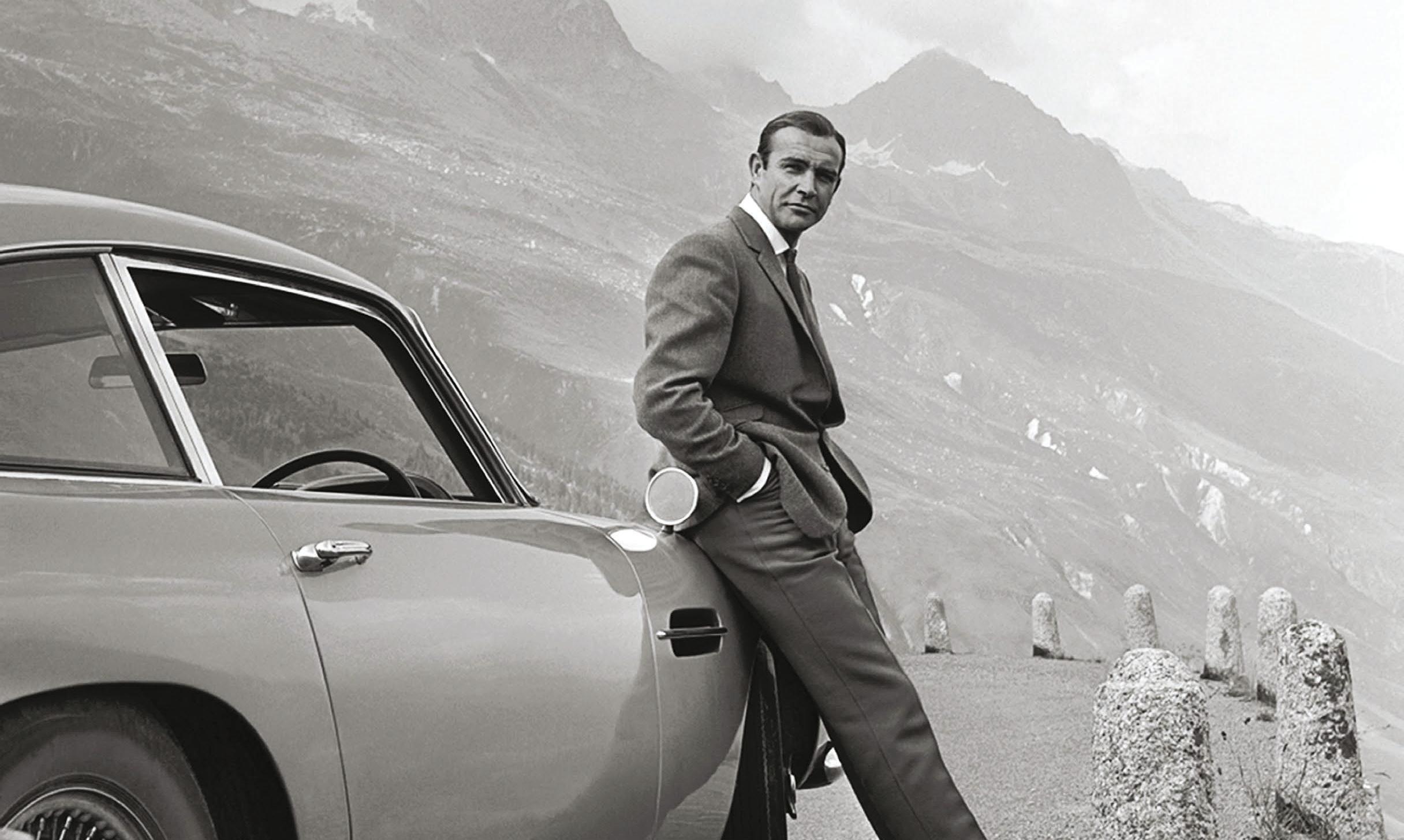
At the end of the Second World War a new conflict emerged - the Cold War, a struggle between communist East and capitalist West.
The spectre of nuclear armageddon ensured this was not a battle that would be fought with armies out in the open, but in the shadows with secret agents as its soldiers. As tales of espionage dominated the headlines, so too did they come to dominate bookshelves, cinema screens and the airwaves, beginning with a certain martini-drinking super-spy...
BOND, JAMES BOND
In 1952 Ian Fleming, 45, was on the verge of getting married and, in his own words, sought something to "take my mind off the agony." The successful journalist declared he would write the "spy story to end all spy stories." Casino Royale was published in 1953 and the first print run of 4,728 copies sold out in under a month. By the time of his death in 1964 Fleming had written 11 novels and two short story collections furthering the adventures of James Bond.
Attempts were made to produce a Bond film almost immediately. A 1954 CBS TV adaptation of Casino Royale saw an Americanised 'Jimmy' Bond portrayed by Barry Nelson, but it was the only time an attempt actually made it to screen until 1961, when producers Albert R 'Cubby' Broccoli and Harry Saltzman began adapting Fleming's sixth adventure, Dr No. The original script by Wolf Mankowitz and Richard Maibaum discarded much of the book, even replacing the titular villain with a marmoset monkey, until Saltzman and Broccoli demanded a more faithful rewrite. With Terrence Young set to direct, one crucial question had to be answered: who would play James Bond?

Denne historien er fra Issue 164-utgaven av All About History UK.
Abonner på Magzter GOLD for å få tilgang til tusenvis av kuraterte premiumhistorier og over 9000 magasiner og aviser.
Allerede abonnent? Logg på
FLERE HISTORIER FRA All About History UK

All About History UK
73 EASTING
SOUTHEASTERN IRAQ 26-27 FEBRUARY 1991

10 mins
Issue163
All About History UK
MARIE ANTOINETTE: FASHION ICON
A new exhibition explores the enduring style of the infamous 18th-century French queen
2 mins
Issue163
All About History UK
INK! FROM THE AGE OF EMPIRE TO BLACK POWER, THE JOURNALISTS WHO TRANSFORMED BRITAIN
Bringing seven fascinating voices back into the limelight
1 mins
Issue163

All About History UK
THE HURRICANE
Does this story of unjust incarceration stick to the evidence?
1 min
Issue163
All About History UK
JANE AUSTEN'S ENGLAND
How Regency romance, society and family bonds inspired one of the nation's greatest authors
14 mins
Issue163
All About History UK
THE VALUE OF SPICES
Roger Crowley explains how spices transformed the world and why they were such a valuable commodity
4 mins
Issue163
All About History UK
EL GENERALISIMO
A new biography explores the life of Francisco Franco - the dictator who ruled Spain for 39 years
1 min
Issue163

All About History UK
Founder of the Persian Empire
How Cyrus the Great forged his kingdom using force and smart administration of his government
8 mins
Issue163
All About History UK
PORTUGUESE NAU
Portugal 14th - 16th century
2 mins
Issue163

All About History UK
LEMON SYLLABUB
ENGLAND, 16-19TH CENTURY
1 mins
Issue163
Listen
Translate
Change font size