
Gå ubegrenset med Magzter GOLD
Få ubegrenset tilgang til over 9000 magasiner, aviser og premiumhistorier for bare
Prøve GULL - Gratis
Smart Feeding Strategies for Ducks and Geese
The Country Smallholder
|October 2025
In this feature, Sarah Day, nutritionist for Small Holder Feed, shares expert guidance to help you make informed feeding choices, from tiny hatchlings through to laying adults.
-
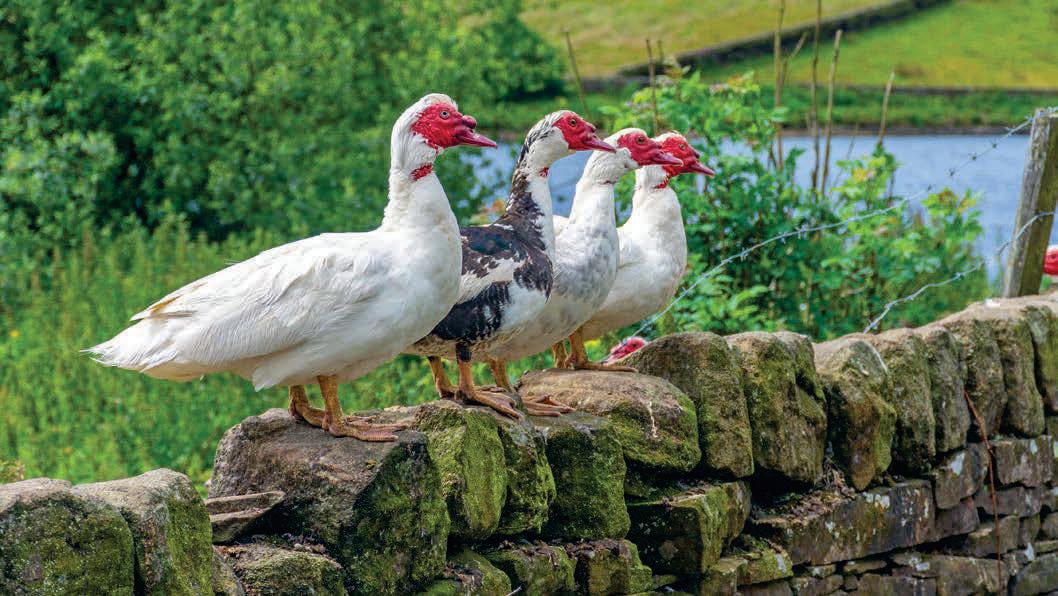
Feeding ducks and geese doesn't need to be complicated. With the right approach and a little planning, you can keep your birds healthy, productive and behaving naturally at every stage of life
FEEDING ADULT DUCKS AND GEESE
Once your ducks or geese reach 16 weeks of age, it's time to move them onto a feed that's suited to adult birds. This ensures they're getting the nutrition they need for long-term health and performance.
If your birds are heading into their first laying season, don't worry if they don't lay quite as many eggs as older birds. Introduce a layers feed from point of lay, typically from 18 to 24 weeks of age for lighter laying breeds such as Khaki Campbells and Indian Runners. Heavier breeds, such as Aylesburys and Rouens, usually begin laying later, at around 26 to 28 weeks. Geese tend to mature more slowly, usually starting to lay at around 9 to 12 months of age. However, some may not begin laying until their second spring, particularly if they hatch late in the year.
A good quality layers feed provides the essential nutrients needed to support steady egg production and overall health. It also supplies the calcium and protein required to produce strong-shelled, good-quality eggs. When comparing feeds, look for a premium layer's option that includes natural ingredients like maize, marigold and alfalfa, as these help to enhance yolk colour and boost overall nutritional value.
As daylight hours shorten in autumn and winter, egg production in traditional breeds naturally slows. Continuing to feed a good-quality layers feed during this time will help to maintain condition and ensure birds are ready to resume laying when daylight hours increase.

Denne historien er fra October 2025-utgaven av The Country Smallholder.
Abonner på Magzter GOLD for å få tilgang til tusenvis av kuraterte premiumhistorier og over 9000 magasiner og aviser.
Allerede abonnent? Logg på
FLERE HISTORIER FRA The Country Smallholder
The Country Smallholder
Making sure you put enough nutrition into your dairy goat to support her milk production
Sarah Day, nutritionist for Small Holder Feed offers feeding advice for your dairy goats to help them be happy, healthy and milky animals.

6 mins
March 2026
The Country Smallholder
Welcoming the very start of the spring season
Henrietta Balcon makes the most of the new crop rhubarb
2 mins
March 2026
The Country Smallholder
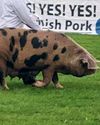
Starting with Pigs - before you start
Linda Aldous outlines what you need to do before anything porcine arrives on your smallholding
3 mins
March 2026
The Country Smallholder
Insurance to protect livestock - and your peace of mind
Looking ahead to a busy 2026 for Pedigree Sales, farmers and breeders will be preparing their livestock for the upcoming markets
2 mins
March 2026
The Country Smallholder
Getting Your Electric Fence Spring-Ready: Expert Q&A
As Spring arrives, it’s the perfect time to give your electric fence some attention. Based on questions we discuss regularly here at www.electricfencing.co.uk, here’s a list of the checks you should be carrying out now, and why they matter.
2 mins
March 2026
The Country Smallholder
Check your kit for the busy seasons ahead
Agricultural journalist, and machinery writer Jane Brooks, joins us for her regular look at the world.
4 mins
March 2026
The Country Smallholder
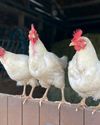
Flock together: is now the right time to add more hens?
Andy Hill explains how to integrate birds into a flock without feathers flying
4 mins
March 2026
The Country Smallholder
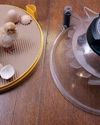
The secrets behind maximising incubator hatch rates
Buying quality point of lay hens can be an expensive proposition these days (even if you can find a local source of the breed that you want). Incubating fertilised eggs can save a great deal of money and make many more breeds accessible. If you already keep poultry that includes a cockerel, an incubator means that you can hatch their eggs either to increase your flock or to sell. Hugh & Fiona Osborne have been using incubators for many years and have learned that getting a good hatch means attention to detail.
7 mins
March 2026
The Country Smallholder
Making choices for your chicks
Victoria Roberts BVSc MRCVS says Natural and Artifical Incubation are not an either/or choice
5 mins
March 2026
The Country Smallholder
An appetite for asparagus
Our Experts answer your questions
1 mins
March 2026
Listen
Translate
Change font size