Prøve GULL - Gratis
How to spot and treat Border disease
The Country Smallholder
|October 2022
Border disease is a disease in sheep known to cause a variety of problems within your flock such as abortions, still born lambs, poor scanning rates and weak lambs at birth.
-

The disease is caused by a virus and was first discovered in the UK in 1959. Border disease virus is closely related to Bovine Diarrhoea Virus in cattle and crossover between species can occur, this should be considered if grazing your ewes near to cattle.
Border disease can present in several different ways. This is affected by the timing of ewe exposure to the virus. The virus can be spread horizontally, ewe to ewe, through secretions produced by an infected animal such as saliva or nasal discharge. The disease can also spread vertically, this is from ewe to lamb either whilst in the womb or through milk. Healthy non pregnant ewes when exposed to the virus may show no or limited clinical signs. They may be in-appetent (not eating) with an increased temperature, but the disease will be transient, and the ewe will develop a degree of immunity over time.
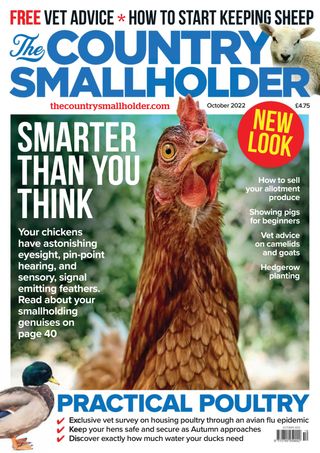

Denne historien er fra October 2022-utgaven av The Country Smallholder.
Abonner på Magzter GOLD for å få tilgang til tusenvis av kuraterte premiumhistorier og over 9000 magasiner og aviser.
Allerede abonnent? Logg på
FLERE HISTORIER FRA The Country Smallholder
The Country Smallholder
Making sure you put enough nutrition into your dairy goat to support her milk production
Sarah Day, nutritionist for Small Holder Feed offers feeding advice for your dairy goats to help them be happy, healthy and milky animals.

6 mins
March 2026

The Country Smallholder
Welcoming the very start of the spring season
Henrietta Balcon makes the most of the new crop rhubarb
2 mins
March 2026
The Country Smallholder
Starting with Pigs - before you start
Linda Aldous outlines what you need to do before anything porcine arrives on your smallholding
3 mins
March 2026
The Country Smallholder
Insurance to protect livestock - and your peace of mind
Looking ahead to a busy 2026 for Pedigree Sales, farmers and breeders will be preparing their livestock for the upcoming markets
2 mins
March 2026

The Country Smallholder
Getting Your Electric Fence Spring-Ready: Expert Q&A
As Spring arrives, it’s the perfect time to give your electric fence some attention. Based on questions we discuss regularly here at www.electricfencing.co.uk, here’s a list of the checks you should be carrying out now, and why they matter.
2 mins
March 2026

The Country Smallholder
Check your kit for the busy seasons ahead
Agricultural journalist, and machinery writer Jane Brooks, joins us for her regular look at the world.
4 mins
March 2026
The Country Smallholder
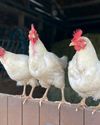
Flock together: is now the right time to add more hens?
Andy Hill explains how to integrate birds into a flock without feathers flying
4 mins
March 2026
The Country Smallholder
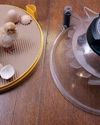
The secrets behind maximising incubator hatch rates
Buying quality point of lay hens can be an expensive proposition these days (even if you can find a local source of the breed that you want). Incubating fertilised eggs can save a great deal of money and make many more breeds accessible. If you already keep poultry that includes a cockerel, an incubator means that you can hatch their eggs either to increase your flock or to sell. Hugh & Fiona Osborne have been using incubators for many years and have learned that getting a good hatch means attention to detail.
7 mins
March 2026
The Country Smallholder
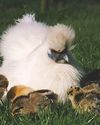
Making choices for your chicks
Victoria Roberts BVSc MRCVS says Natural and Artifical Incubation are not an either/or choice
5 mins
March 2026

The Country Smallholder
An appetite for asparagus
Our Experts answer your questions
1 mins
March 2026
Translate
Change font size