Prøve GULL - Gratis
Alpacas-Identification and Record keeping
The Country Smallholder
|July 2023
Joy Whitehead explores what you must do, what you might do and what you should do!

In a small alpaca herd ear tags may not be considered necessary, as these animals have very individual personalities, and/or can be differentiated by colour, markings for example. However in a larger herd it becomes more important, for example for administering medications, to ensure that the correct animal receives the right treatment. Record keeping is an essential tool in any herd.
EAR TAGS AND MICROCHIPS
There is no legal requirement in the UK for alpacas to have ear tags. However, when an alpaca cria is born at Bozedown Alpacas we take a very small temporary ear tag, write (with a permanent parker) the dam's ear tag number on it, and insert into either the left ear for a female, or the right ear for a male cria. Thus if a cria gets separated from its mother for any reason we can still easily identify it. We also weigh the cria using a spring balance and sling and record the tag number and birth weight which is later transferred onto a new animal record which we create on our herd management software programme, Herdmaster.
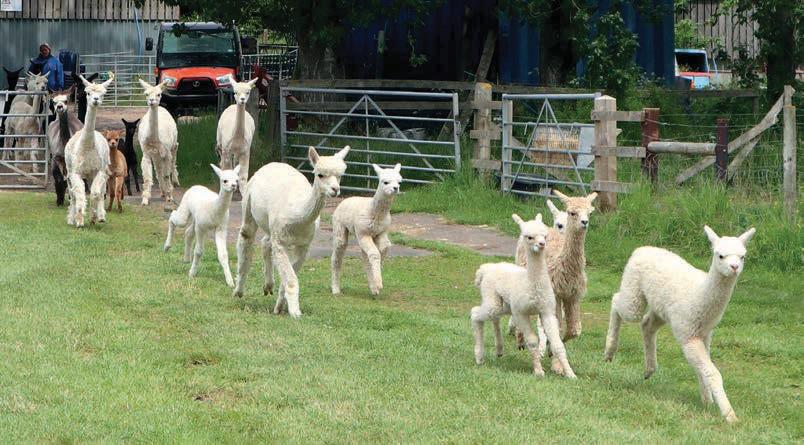
Each cria is weighed every day for its first week of life, then weekly for the first month, and then monthly until weaning. This is to reassure us that the cria is getting enough milk and is thriving. After weaning it will be weighed weekly until we are sure it is still growing on well. All these records are transferred onto Herdmaster, so that we have reference points if an animal loses weight or becomes unwell. While weighing the youngsters we will also be checking body condition scores of each one and, as the alpaca grows on, regular body condition scoring takes over from weighing in the main. All this information is also transferred to the computer programme.

Denne historien er fra July 2023-utgaven av The Country Smallholder.
Abonner på Magzter GOLD for å få tilgang til tusenvis av kuraterte premiumhistorier og over 9000 magasiner og aviser.
Allerede abonnent? Logg på
FLERE HISTORIER FRA The Country Smallholder
The Country Smallholder
Making sure you put enough nutrition into your dairy goat to support her milk production
Sarah Day, nutritionist for Small Holder Feed offers feeding advice for your dairy goats to help them be happy, healthy and milky animals.

6 mins
March 2026
The Country Smallholder
Welcoming the very start of the spring season
Henrietta Balcon makes the most of the new crop rhubarb
2 mins
March 2026
The Country Smallholder
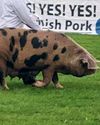
Starting with Pigs - before you start
Linda Aldous outlines what you need to do before anything porcine arrives on your smallholding
3 mins
March 2026
The Country Smallholder
Insurance to protect livestock - and your peace of mind
Looking ahead to a busy 2026 for Pedigree Sales, farmers and breeders will be preparing their livestock for the upcoming markets
2 mins
March 2026
The Country Smallholder
Getting Your Electric Fence Spring-Ready: Expert Q&A
As Spring arrives, it’s the perfect time to give your electric fence some attention. Based on questions we discuss regularly here at www.electricfencing.co.uk, here’s a list of the checks you should be carrying out now, and why they matter.
2 mins
March 2026

The Country Smallholder
Check your kit for the busy seasons ahead
Agricultural journalist, and machinery writer Jane Brooks, joins us for her regular look at the world.
4 mins
March 2026
The Country Smallholder
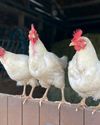
Flock together: is now the right time to add more hens?
Andy Hill explains how to integrate birds into a flock without feathers flying
4 mins
March 2026
The Country Smallholder
The secrets behind maximising incubator hatch rates
Buying quality point of lay hens can be an expensive proposition these days (even if you can find a local source of the breed that you want). Incubating fertilised eggs can save a great deal of money and make many more breeds accessible. If you already keep poultry that includes a cockerel, an incubator means that you can hatch their eggs either to increase your flock or to sell. Hugh & Fiona Osborne have been using incubators for many years and have learned that getting a good hatch means attention to detail.
7 mins
March 2026
The Country Smallholder
Making choices for your chicks
Victoria Roberts BVSc MRCVS says Natural and Artifical Incubation are not an either/or choice
5 mins
March 2026
The Country Smallholder
An appetite for asparagus
Our Experts answer your questions
1 mins
March 2026
Translate
Change font size