Prøve GULL - Gratis
The Cost Of Harming Nature
National Geographic Magazine India
|September 2020
The pandemic proves it: By damaging the planet, we have sapped nature’s power to protect us from diseases.
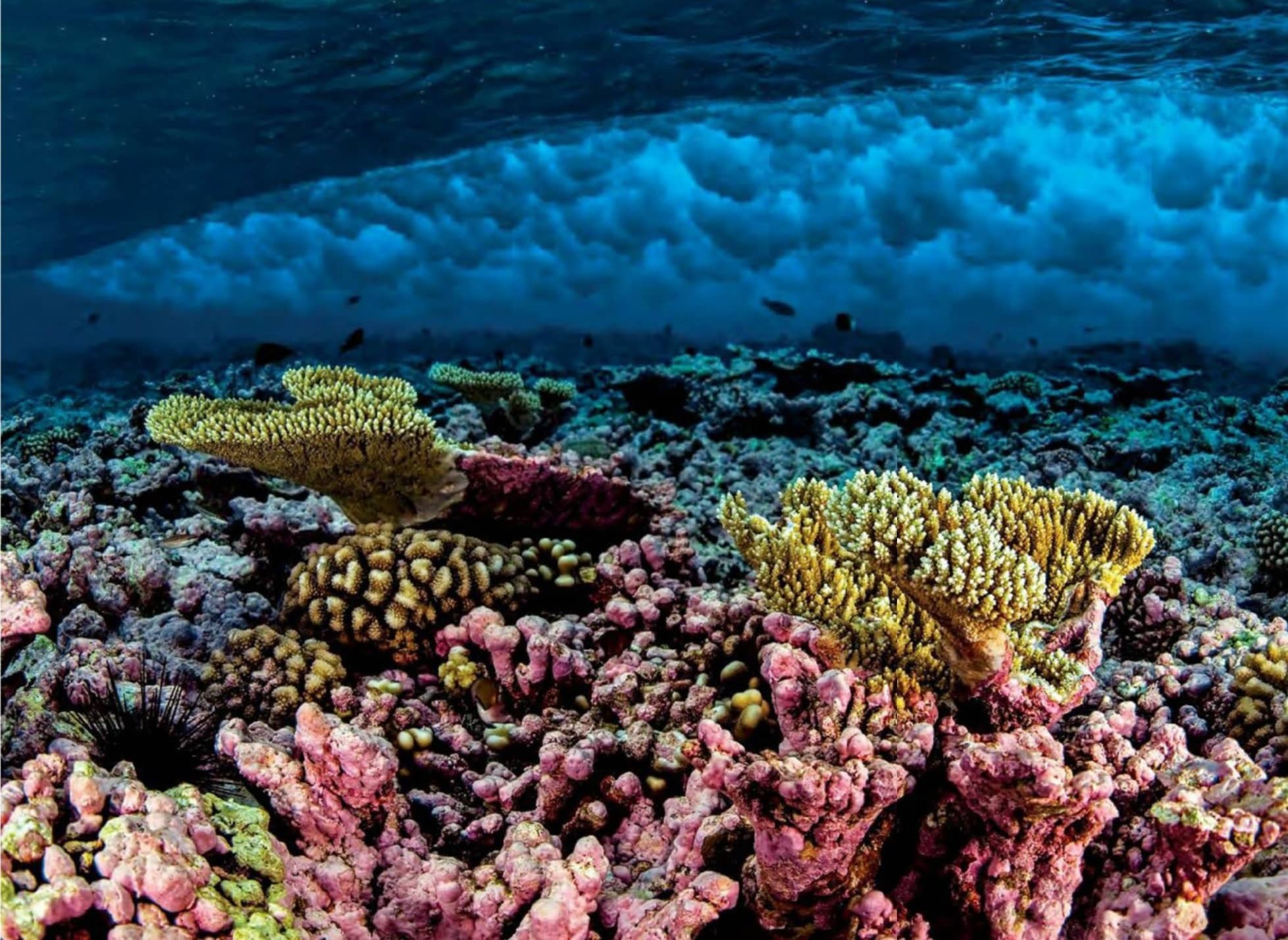
Since my childhood by the Mediterranean Sea, I’ve been enchanted by the diversity of life on our planet and eager to learn all I could about it. I’ve spent much of my career studying the ocean food web, wherein the course of natural events the smallest of the small are consumed by larger and larger predators, often ending in us. But scientists know there is more to the story, and I’ve been humbled to see life on our planet brought to a standstill by a tiny virus.
From a Wuhan, China, “wet market” where freshly butchered meat and live wild animals are sold for food and medicine, the virus likely was transmitted in late 2019 via wildlife to humans. And in a matter of months, COVID-19 has felled hundreds of thousands of Homo sapiens, Earth’s preeminent predator.
Writing about this for my new book, I was deeply saddened: The virus has struck people I knew, in Europe and around the world. But this pandemic is a powerful argument for something I believe unequivocally: that biodiversity is necessary for human health, and ultimately, human survival.
PEOPLE HAVE BEEN ACQUIRING harmful viruses and bacteria from contact with animals in the wild for millennia. As humans relentlessly encroach upon wild habitats and compete with animals for water, food, and territory, there’s bound to be more physical contact, yielding more conflict—and more contagion.

Denne historien er fra September 2020-utgaven av National Geographic Magazine India.
Abonner på Magzter GOLD for å få tilgang til tusenvis av kuraterte premiumhistorier og over 9000 magasiner og aviser.
Allerede abonnent? Logg på
Translate
Change font size