Prøve GULL - Gratis
Finger On The Pulse
Down To Earth
|August 01, 2018
Despite having immense nutritive and medicinal properties, the rice bean is a lesserknown pulse

WHEN I recently visited the Kisan Mela at the Pusa Institute in New Delhi, I met Soumyadipta Roy of Lunar Agro Products from Tinsukia, Assam. I had interacted with him earlier for an article. “I am trying to promote naga dal,” he said. He took me to his stall and pointed to a basket of beans, which looked like rajma, but was few shades paler. Rinita Thiyam of Green Foundation, Imphal, who was also at the mela, said it was rice beans.
Roy, an erstwhile pilot, has been working in remote areas of the North- east to promote agro-products. He was marketing the rice beans for Paul Longsaola, who owns the brand Poumai. She works out of a small town called Senapati in Manipur. Usually the beans are available only in the local market as it is not known outside the area. Due to little awareness, Roy had to dispose of about 2 metric tonnes of this rice bean as there were no buyers.
The bean has a number of varieties, which are different in colour and size. It is known by different names— rice bean (Vigna umbellate), climbing mountain bean, mambi bean, oriental bean and chakhawai in Manipuri. In Nepal, it is called masyang, and in Uttarakhand, it is known as naurangi dal. But the size of the


Denne historien er fra August 01, 2018-utgaven av Down To Earth.
Abonner på Magzter GOLD for å få tilgang til tusenvis av kuraterte premiumhistorier og over 9000 magasiner og aviser.
Allerede abonnent? Logg på
FLERE HISTORIER FRA Down To Earth
Down To Earth
THINK TWICE BEFORE FELLING SAL TREES
Many trees considered to be affected by sal borer in the 1990s are still alive today

1 mins
February 16, 2026

Down To Earth
EDGE OF SURVIVAL
Caste divides deny marginalised communities land, resources and essential aid, leaving them more vulnerable to climate disasters
6 mins
February 16, 2026

Down To Earth
A WISH LIST?
Union Budget for 2026-27 conveys the impression of a roll-call of intentions and ambitious proposals, with little detail on their formulation
6 mins
February 16, 2026
Down To Earth
Break down the gender wall
THE RULING National Democratic Alliance (NDA) government has been heavily invested in the goal to make India a developed economy by 2047.
2 mins
February 16, 2026

Down To Earth
MENSTRUAL HEALTH, NOW A FUNDAMENTAL RIGHT
In a landmark judgement, the Supreme Court has recognised menstrual health and hygiene as a fundamental right under Article 21 of the Constitution of India, which guarantees the right to life and dignity.
8 mins
February 16, 2026

Down To Earth
Of devolution and new disasters
The 16th Finance Commission pushes for changes in view of new fiscal and climatic conditions
11 mins
February 16, 2026
Down To Earth
Rising risks of plastics
NEGATIVE IMPACTS on human health due to emissions linked to the plastic lifecycle could double by 2040, according to a study published in The Lancet Planetary Health in January.
1 min
February 16, 2026
Down To Earth
GAP BETWEEN EPIDEMICS NARROWING
A watershed-based and landscape-level approach is needed to address forest degradation
2 mins
February 16, 2026
Down To Earth
WAITING TO STRIKE
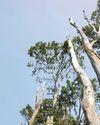
Sal heartwood borer is considered the biggest threat to forestry in India, especially to the sal tree, where it lives and breeds.
11 mins
February 16, 2026
Down To Earth
A SPRING DELIGHT
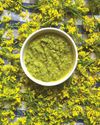
Mustard flowers are not meant only for the eyes. Invite them to your plate once in a while
3 mins
February 16, 2026
Translate
Change font size