Prøve GULL - Gratis
APOLLO 16
BBC Sky at Night Magazine
|April 2022
Misbehaving engines were among the mishaps on the penultimate Apollo landing. 50 years on, Ezzy Pearson looks back at the mission

When a rubella scare grounded Command Module pilot Ken Mattingly in 1970, he was forced to watch from the sidelines as his two crewmates headed off to the Moon without him on the ill-fated Apollo 13. Two years later in 1972, Mattingly hoped for better luck on his new mission, Apollo 16. Unfortunately, while Apollo 13 had been an Oscar-worthy triumph over tragedy, Apollo 16 would turn out to be something of a farce.
In 1972, morale at NASA was low. A curtailed Apollo programme was heading into its final two missions and many staff members were being laid off. Meanwhile, the Soviets were making headlines with the Lunokhod rover and its robotic sample return missions, doing the work of the Apollo missions at a fraction of the cost and without risking human lives.
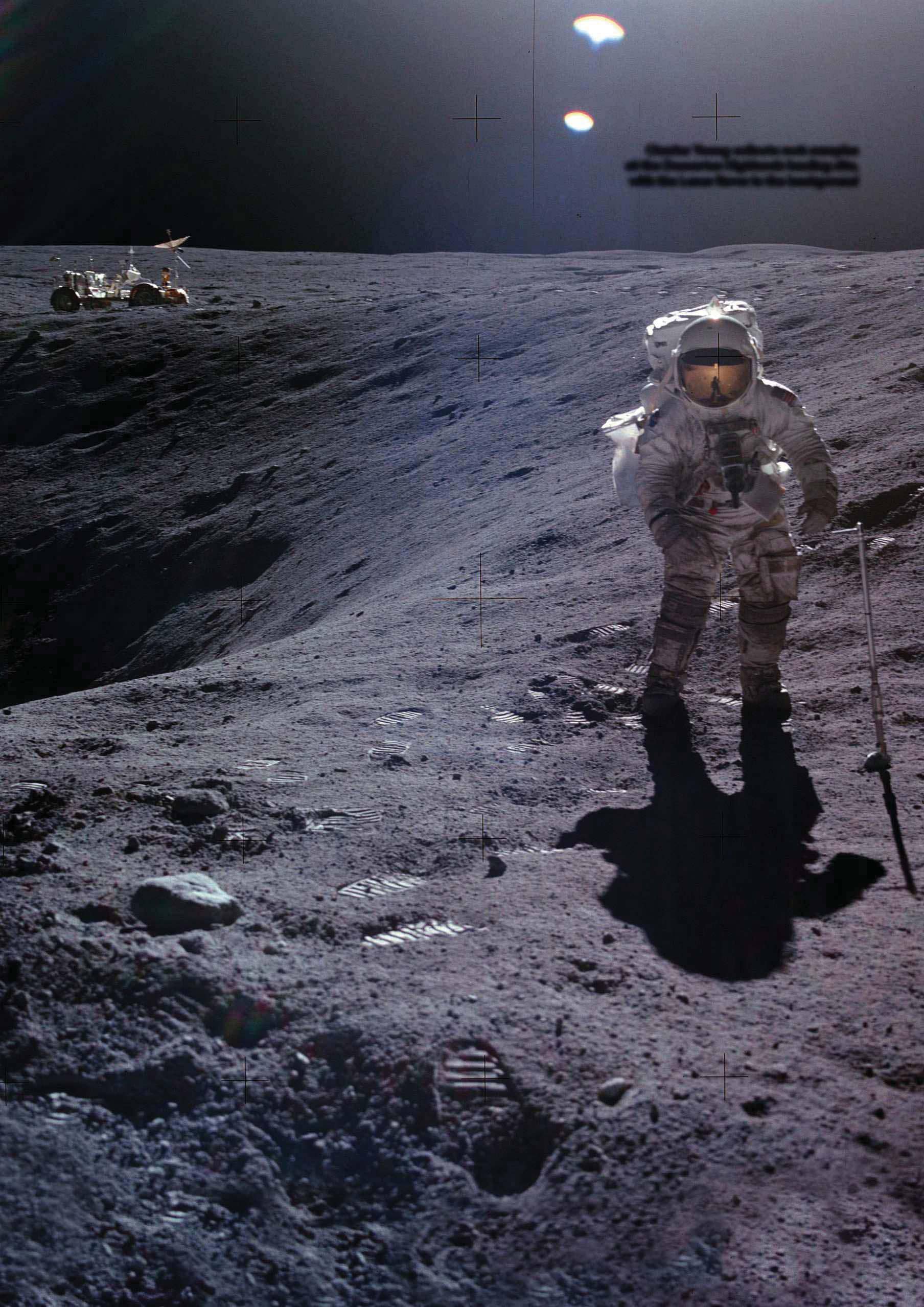
Not that the Apollo astronauts themselves minded the risk. In fact, they were pushing for more adventurous missions following the success of Apollo 15. Perhaps to the rugged landscape of the southern pole? Or even the lunar far side. Instead, NASA played it safe, and the fifth lunar landing was set to visit the equatorial lunar highlands for the first time. And so, on 16 April at 17:54 UT, Mattingly along with Commander John Young and Lunar Module Pilot Charles Duke launched on their way to Descartes crater, an area believed to be the site of past volcanic activity.
Though the launch went well enough, it wasn't long before the first of Apollo 16's many problems began. On the second day, as the crew were mounting the Lunar Module on the nose of the Command and +Service Module (CSM) and removing the former from its housing, Mattingly noticed a steady stream of white particles flowing from the Lunar Module's propellant tanks. Were they venting fuel?
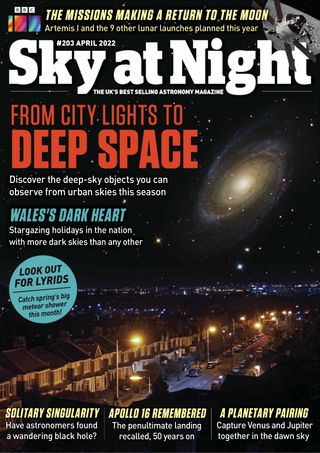

Denne historien er fra April 2022-utgaven av BBC Sky at Night Magazine.
Abonner på Magzter GOLD for å få tilgang til tusenvis av kuraterte premiumhistorier og over 9000 magasiner og aviser.
Allerede abonnent? Logg på
FLERE HISTORIER FRA BBC Sky at Night Magazine
BBC Sky at Night Magazine
The Giant Leap: Why Space is the Next Frontier in the Evolution of Life
“Earth is the cradle of humanity, but one cannot live in the cradle forever,” wrote Konstantin Tsiolkovsky in 1911.

1 mins
February 2026
BBC Sky at Night Magazine
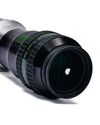
Tele Vue Nagler Type-7 series eyepieces
These premium optics were inspired by Apollo - and deliver a giant leap to your views
4 mins
February 2026
BBC Sky at Night Magazine
Once Upon a Time in Space
While the Space Race of the Cold War years was ultimately a geopolitical contest between the USA and the Soviet Union, the rivalry sparked rapid innovation and inspired multiple generations to look skyward.
1 mins
February 2026
BBC Sky at Night Magazine
The Multiverse: When One Universe Isn't Enough
The concept of a 'multiverse' – the idea that our Universe may be just one of many – is widespread in science fiction and a common thread of online discussions.
1 mins
February 2026
BBC Sky at Night Magazine
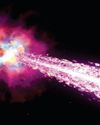
Q&A WITH A GAMMA RAY SPECIALIST
In 2025, astronomers detected a blast from space that lasted seven hours. Now they're uncovering the strange processes behind the exceptional outburst
3 mins
February 2026
BBC Sky at Night Magazine
Astronomy Photographer of the Year
The world-leading astrophotography competition returns. Could your image take the top prize of £10,000?
2 mins
February 2026
BBC Sky at Night Magazine
MOONWATCH
February's top lunar feature to observe
2 mins
February 2026
BBC Sky at Night Magazine
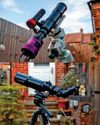
NOVAStar Scarlet A62Q 62mm f/8.4 quadruplet achromatic refractor
Well-built and capable, this beginner scope punches well above its bargain price
4 mins
February 2026
BBC Sky at Night Magazine
STAR OF THE MONTH
Rasalas, Leo the Lion's metal-rich crown
1 min
February 2026
BBC Sky at Night Magazine
Comet 24P/Schaumasse
Having reached perihelion on 8 January, comet 24P/ Schaumasse is now fading. Starting the month at a small-telescope-friendly mag. +10.5, it dims throughout February to below 12th magnitude.
1 min
February 2026
Translate
Change font size