
Gå ubegrenset med Magzter GOLD
Få ubegrenset tilgang til over 9000 magasiner, aviser og premiumhistorier for bare
Prøve GULL - Gratis
How I Hacked Facebook
The Atlantic
|June 2019
Algorithms have made the social network predictable and dreary. My quest to make it random and fun.

FACEBOOK IS OFTEN sarcastically described as a platform for sharing baby pictures. When I log in, I do see some of those—but many of the babies in my feed are baby rats.
The story of how these hairless pups started populating my News Feed began when a friend told me about a Facebook group—a lively forum for discussing baby names—that had captivated her. I joined too, and soon afterward my timeline was peppered with requests for “a strong Irish name” or “a name similar to Everly which we unfortunately can’t use.”
I’m not currently in the market for a baby name, but the novelty was welcome. So I sought out more: I joined groups or liked pages for wine lovers, slow runners, appreciators of dinosaurs, southeastern- Michigan snow obsessives. Eventually, I found Everything Rat Breeding.
Before I started this experiment in joiner ism, using Facebook felt like watching an algorithmically conducted parade of the lifestyles, accomplishments, and worldviews of my peers. The experience seemed calculated to produce envy and insecurity. But the pictures of dinosaur fossils and reviews of wines with “masculine fruit” transformed that procession into a bizarre and occasionally delightful show, affording me glimpses of all the things there are to care about beyond what preoccupies my particular social circle.
I liked the variety; it made browsing feel less competitive. And witnessing strangers go on about some mundane subject that mattered deeply to them was oddly engrossing. The new occupants of my News Feed were giving me a break from personalization that I didn’t know I needed.
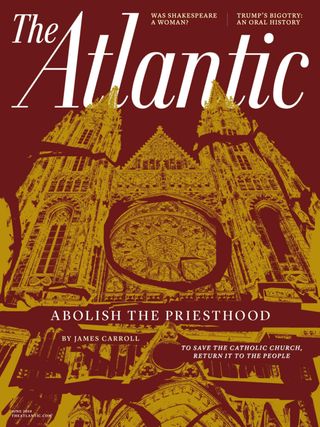

Denne historien er fra June 2019-utgaven av The Atlantic.
Abonner på Magzter GOLD for å få tilgang til tusenvis av kuraterte premiumhistorier og over 9000 magasiner og aviser.
Allerede abonnent? Logg på
FLERE HISTORIER FRA The Atlantic
The Atlantic
Deadlier Than Gettysburg
How the cruelty of the Confederacy's prison camps gave rise to the rules of war

10 mins
March 2026

The Atlantic
THE MAN WHO BROKE PHYSICS
One of the pleasures of watching Ilia Malinin, apart from his indifference to gravity, is to witness him becoming.
16 mins
March 2026

The Atlantic
How Toni Morrison Saw History
In her novels, she located the missing story of Black America.
12 mins
March 2026

The Atlantic
The Madness of Lord Tennyson
The Victorian poet was startlingly modern.
5 mins
March 2026

The Atlantic
THE PLOT AGAINST THE HUMANITIES
What is the Andrew W. Mellon Foundation doing to higher education?
22 mins
March 2026

The Atlantic
Why Do Democrats Hate Winning?
Ken Martin has one of those resting dread faces, as if he's bracing for someone to dump a bucket of rocks on his head.
37 mins
March 2026

The Atlantic
ROD DREHER'S DEMONS
HE DERIDES THE ENLIGHTENMENT, SECULARISM, AND THE MODERN WORLD. CONSERVATIVES-INCLUDING THE VICE PRESIDENT-ARE JOINING HIM ON A MARCH BACK TO THE MIDDLE AGES.
20 mins
March 2026

The Atlantic
Every Nation for Itself
President Trump wants to return to the 19th century's international order. He will leave America less prosperous—and the whole world less secure.
19 mins
March 2026
The Atlantic
The Secrets of Indigenous Art
Major exhibits are upending the way people understand Native American and Aboriginal artists.
14 mins
March 2026

The Atlantic
The Novel as Extended Op-Ed
If anyone could write good fiction about immigration, it would probably be Lionel Shriver. Instead, her latest book goes off the rails.
10 mins
March 2026
Translate
Change font size