
Gå ubegrenset med Magzter GOLD
Få ubegrenset tilgang til over 9000 magasiner, aviser og premiumhistorier for bare
How to Open a Brokerage Account
Kiplinger's Personal Finance
|May 2022
Investing can be fun, but you need a brokerage account to do it. Fortunately, it’s easy to get started.

A LOW-COST BROKERAGE account will allow you to buy individual stocks, mutual funds, exchange-traded funds and other investments outside of your employer’s retirement account. You can open an account, deposit money and execute trades online with a computer, a tablet or even a smartphone.
But first, you have to pick a brokerage firm. The one that’s right for you depends on the kinds of services you want. For starters, check out Kiplinger’s annual survey of online brokerage firms in the October issue, which rates nine online brokers on a variety of measures, from fees to breadth of investment offerings to customer service.
Getting started. Brokerage firms make it easy to open an account online, as long as you meet a few requirements. You must have a valid Social Security number and a legal U.S. residential address within the 50 states, the District of Columbia or Puerto Rico, among other things.
You’ll have to choose whether you want to open a taxable (non-retirement) account or a retirement account (such as a traditional or Roth IRA). Both types of accounts allow you to buy and sell stocks, mutual funds, ETFs and other investments.
One thing you won’t need is a ton of money. Many online brokerage firms, including Schwab and Fidelity, don’t require a minimum to open an account, though some firms may require a modest balance of, say, $500 or $1,000. And at most brokerages, trading is free.
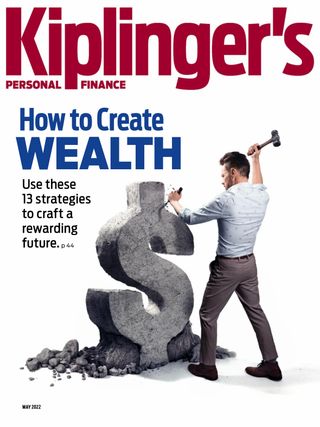

Denne historien er fra May 2022-utgaven av Kiplinger's Personal Finance.
Abonner på Magzter GOLD for å få tilgang til tusenvis av kuraterte premiumhistorier og over 9000 magasiner og aviser.
Allerede abonnent? Logg på
FLERE HISTORIER FRA Kiplinger's Personal Finance

Kiplinger's Personal Finance
A Helping Hand for the Homeless
This nonprofit offers shelters, job programs, support in finding a home and more.

2 mins
January 2026

Kiplinger's Personal Finance
Downsizing Advice, Part II
My column on downsizing (see “Living in Retirement,” Oct.) struck a chord with readers. I heard from many who offered advice on successfully culling clutter.
2 mins
January 2026
Kiplinger's Personal Finance
WHY COMPANY GUIDANCE MATTERS
Understanding how corporate profit forecasts affect analysts' estimates and stock ratings can help you make investment decisions.
4 mins
January 2026

Kiplinger's Personal Finance
WHAT SCIENCE REVEALS ABOUT MONEY AND A HAPPY RETIREMENT
Whether you're still planning or already retired, these research-based insights point the way to your best post-work life.
12 mins
January 2026

Kiplinger's Personal Finance
WHAT TO KNOW ABOUT FLOOD INSURANCE
Even if your home is outside a high-risk area, you may want to purchase coverage.
2 mins
January 2026
Kiplinger's Personal Finance
My Retirement Learning Curve
THE NEW WORLD OF RETIREMENT
2 mins
January 2026

Kiplinger's Personal Finance
CREATE A FINANCIAL PLAN WITH THESE TOOLS
Online programs for do-it-yourselfers are better than ever-and they're affordable, too.
9 mins
January 2026

Kiplinger's Personal Finance
2026 MONEY CALENDAR
These key dates and tips will help you make the most of your money in the new year.
7 mins
January 2026
Kiplinger's Personal Finance
Should You Renew Your CD?
AFTER you put money in a certificate of deposit, you can sit back while it collects interest over its term. Once it reaches maturity, you'll face a decision: renew it or withdraw the funds.
1 mins
January 2026

Kiplinger's Personal Finance
GIVING THE BULL THE BENEFIT OF THE DOUBT
KIPLINGER: What do you see ahead for financial markets in 2026? Do you have a target price for the S&P 500?
5 mins
January 2026
Translate
Change font size