Prøve GULL - Gratis
VIVE LE BISTRO
Gourmet Traveller
|June 2022
LEE TULLOCH returns to Paris and revisits some of her favourite bistros, reflecting on what makes the classic French style of cooking and hospitality so magical.
-

I have a well-thumbed and stained copy of Patricia Wells' classic cookbook, Bistro Cooking, which is packed with recipes the American writer collected over many years from France's most famous bistros.
The recipes Wells gleaned from legendary Paris establishments include mussel soup from Benoit, smoked haddock with cabbage from Chez La Vieille, roast chicken from L'Ami Louis and an almond tarte from Le Petit Marguery.
The book was published in the 1980s, but those bistros still exist, as do countless small traditional restaurants tucked away in almost every block of the French capital and its regional cities, a testament to the enduring popularity of hearty, home-style cooking, despite serious challenges from culinary movements such as nouvelle cuisine.
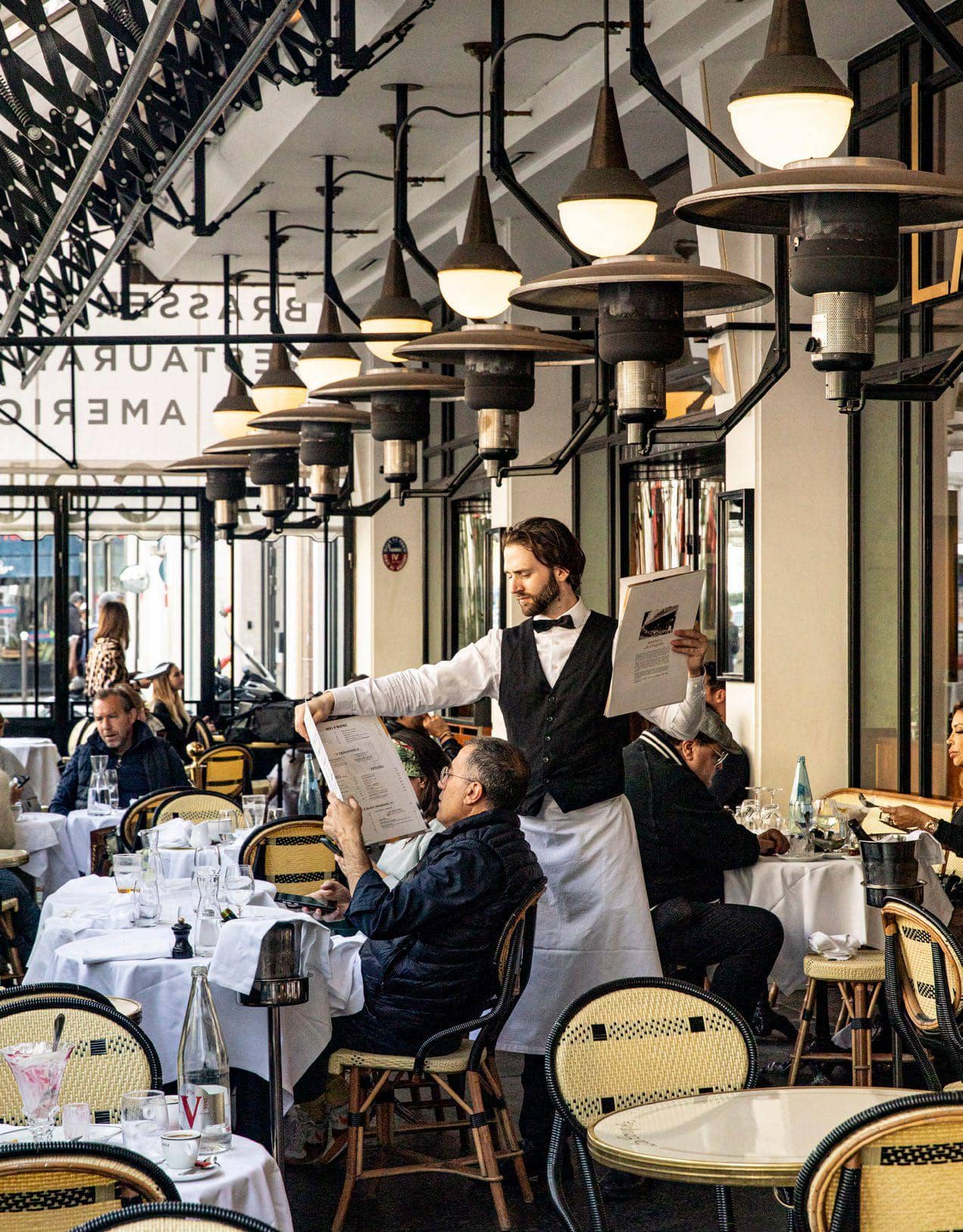
"Bistro cuisine is French home cooking at its best, a style of cooking that demands a minimal of technical skills," writes Wells. "Ingredients aren't exotic; they come straight from the local market. And it's a way of cooking that grew out of a need to maximise every morsel in the market basket, so it's easy on the pocketbook."
The word "bistro" conjures up thoughts of quaint neighbourhood restaurants with lace curtains, checked tablecloths, steamy aromas wafting from the kitchen, white-aproned waiters, carafes of house wine and daily lunch or dinner specials on blackboards. A bistro might be family run, or it might be helmed by a chef trained in one of the culinary institutions, but the expectation when you step through the door is warm hospitality and hearty comfort food, much of it created from what the chef finds at the market that day.
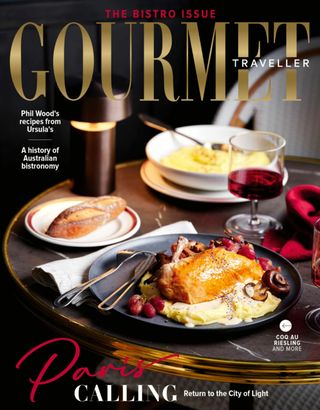

Denne historien er fra June 2022-utgaven av Gourmet Traveller.
Abonner på Magzter GOLD for å få tilgang til tusenvis av kuraterte premiumhistorier og over 9000 magasiner og aviser.
Allerede abonnent? Logg på
FLERE HISTORIER FRA Gourmet Traveller

Gourmet Traveller
Hot in the city
There's no need to deliberate between beach and metropolis, Just do both.

4 mins
January 2026

Gourmet Traveller
Daphne
Review by MICHAEL HARDEN.
2 mins
January 2026
Gourmet Traveller
Everyday
Easy entertaining, simple weeknight dinners and suppers to share.
11 mins
January 2026
Gourmet Traveller
Viewing the world like a sailor
When you travel by sea, you never look at a destination the same way again
3 mins
January 2026

Gourmet Traveller
Postcards from Lisbon
The food in Portugal's hilly coastal capital is definitely something to write home about
4 mins
January 2026

Gourmet Traveller
Brand Americano
Melbourne's glamorous steakhouse brings its elevated style to Sydney,
2 mins
January 2026

Gourmet Traveller
Jess Coulson
This month we catch up with the co-owner of Ruffle Farm, which grows and supplies gourmet mushrooms in Sydney's inner west.
2 mins
January 2026

Gourmet Traveller
Worth your salt
Its reputation has ebbed and flowed but as IVY CARRUTH discovers, seasoning from the sea is back in fashion.
4 mins
January 2026

Gourmet Traveller
TWILIGHT ZONE
Iceland's midnight sun, geothermal wonders and rugged terrain make for a summer drive unlike any other
5 mins
January 2026

Gourmet Traveller
The new nostalgia
Overwhelmed by modern life? The simple pleasures of an old-school holiday might just be the perfect antidote
3 mins
January 2026
Translate
Change font size