試す 金 - 無料
Coping with BIPOLAR DISORDER
Woman's Weekly
|March 24, 2026
This is a mental health condition with extreme mood swings and energy level changes
-
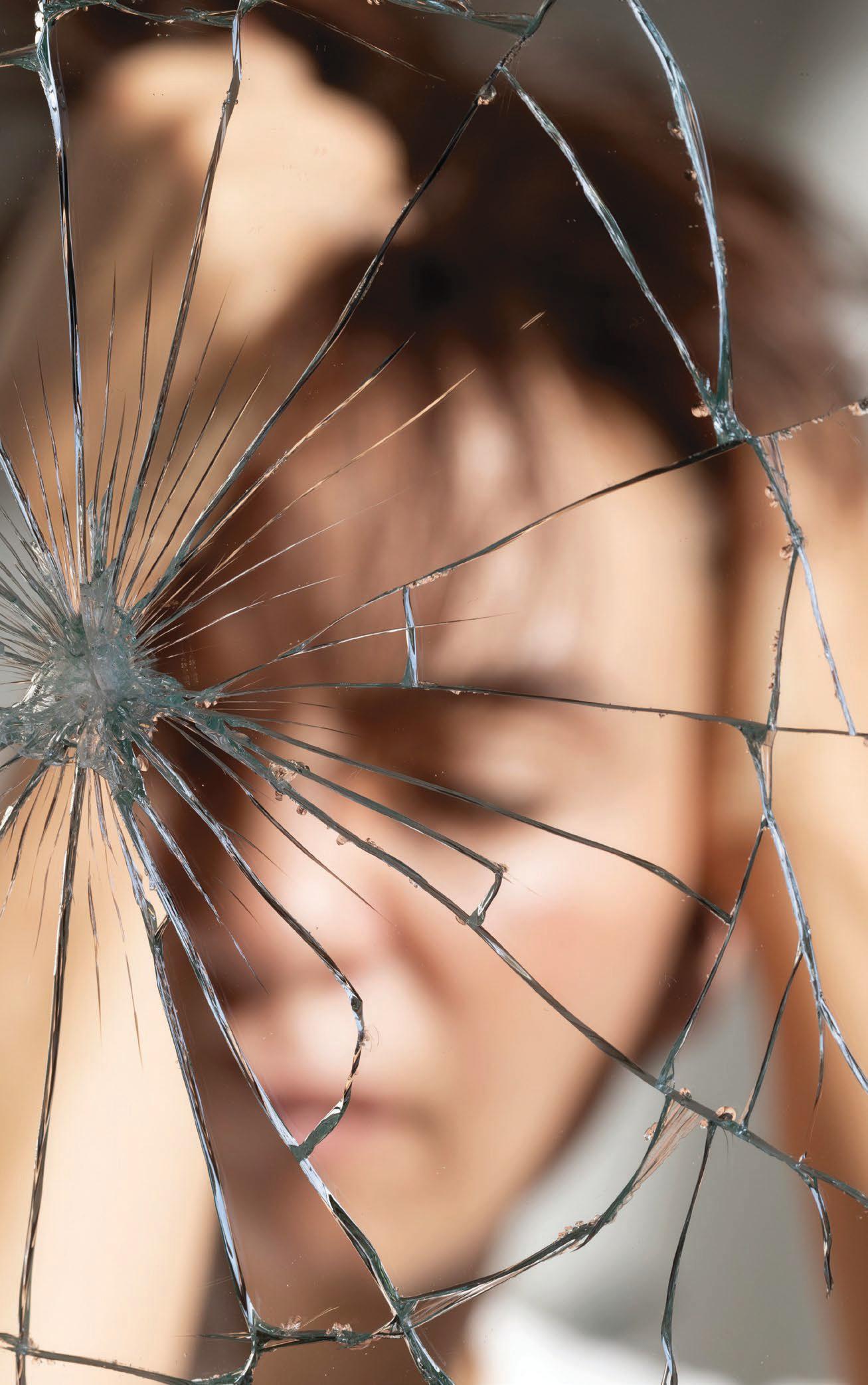
Previously known as manic depression, bipolar disorder affects people of all ages, backgrounds, genders and ethnicities. The exact cause is unknown. There's a genetic link, although it's not directly inherited. Risk factors include family history, childhood trauma or abuse, stressful events, relationship problems, bereavement, recreational drug use and previous toxoplasmosis infection. Affecting over a million people in the UK, and around 1 to 5% worldwide, symptoms are usually first noticed in young adults.
The main symptom is extreme changes in mood, although mood can be stable with no symptoms for months, even years, but can then go low or high. Episode patterns vary, often including high moods (mania or hypomania), such as feeling happy, excited, energetic, irritable, aggressive, restless, not sleeping, overly confident, experiencing increased libido, hallucinations, delusions or paranoia. Then low moods (depression), such as feeling sad, tired, worthless, self-harm or suicidal thoughts, for days or weeks at a time. Manic and depressive symptoms can occur at the same time.
The condition has a big impact on sufferers and those close to them, ranging from short-lived disruptions to ongoing challenges. If untreated, they may regret actions during both manic or depressive episodes, such as spending their savings, having affairs or damaging family relationships, misusing substances, not sleeping or making impulsive decisions with lifelong consequences. During depression, they may find work or looking after family impossible, stop washing, eating properly or going out, or attempt suicide. Guilt and shame are common, with intense anger, grief and frustration. If extreme mood changes are impacting your everyday life, see a GP, who will refer you to a mental health specialist (psychiatrist).


このストーリーは、Woman's Weekly の March 24, 2026 版からのものです。
Magzter GOLD を購読すると、厳選された何千ものプレミアム記事や、10,000 以上の雑誌や新聞にアクセスできます。
すでに購読者ですか? サインイン
Woman's Weekly からのその他のストーリー

Woman's Weekly
Group HUG
When it came to expressing themselves, her loved ones always hit the right note

3 mins
April 07, 2026

Woman's Weekly
Celestial Lights
Zoe West shares her picks for the week
2 mins
April 07, 2026

Woman's Weekly
FOLIAGE showstoppers
Luscious-leaved plants with style and swagger
2 mins
April 07, 2026
Woman's Weekly
More plants...BY MAGIC!
Learn the skill of propagating and you'll never need to buy a plant again
2 mins
April 07, 2026

Woman's Weekly
David's PLAN B
Another idea to save our charity shop
3 mins
April 07, 2026

Woman's Weekly
Spring STARS
These light and airy accessories are just perfect when you need an extra layer
2 mins
April 07, 2026

Woman's Weekly
Here to help
LET COUNSELLOR KEREN LIGHTEN YOUR LOAD
3 mins
April 07, 2026

Woman's Weekly
To the ends of the EARTH
Caroline Helder travels far off the beaten track on a group trip to unexplored Kazakhstan
2 mins
April 07, 2026

Woman's Weekly
The art of ATTRACTION
Cottage-style borders that pull in pollinators
2 mins
April 07, 2026

Woman's Weekly
Sew STYLISH
Make a child's hairband from two fat quarters - or use up remnants from your stash!
1 min
April 07, 2026
Listen
Translate
Change font size