試す 金 - 無料
ELON MUSK CONFRONTS FEDERAL BUREAUCRACY'S DEEPER CHALLENGES
Techlife News
|May 31, 2025
“The federal bureaucracy situation is much worse than I realized,” Elon Musk admitted earlier this week, his words carrying the weight of a man who has built rockets and electric cars but now finds himself tangled in Washington's web of red tape. Speaking to The Washington Post from SpaceX’s Starbase in South Texas, Musk revealed his growing frustration as co-leader of the U.S. Department of Government Efficiency (DOGE), a Trump administration initiative to slash federal spending. For Musk’s legion of supporters, his corporate peers, and political skeptics, this candid reflection exposes the daunting reality of reforming a sprawling government machine, testing the limits of his audacious vision. Musk's role in DOGE, fueled by his $250 million contribution to Donald Trump's 2024 campaign, has thrust him into a high-stakes battle against entrenched interests, with lawsuits, protests, and reputational hits piling up. As he juggles SpaceX’s Starship launches and Tesla’s autonomous driving push, his struggle with bureaucracy raises questions about the feasibility of his efficiency crusade. A RUDE AWAKENING IN WASHINGTON Musk's foray into federal reform began with high hopes, but the reality has been sobering. “I thought there were problems, but it sure is an uphill battle trying to improve things in D.C,” he told The Washington Post, describing a bureaucracy more resistant than he imagined. As DOGE co-leader alongside Vivek Ramaswamy, Musk aimed to streamline government operations, targeting inefficiencies in a $6.5 trillion federal budget. Yet, he quickly found himself at odds with a system he believes wields more power than elected officials, a sentiment he voiced when noting that “people burning Teslas” in protest felt like a personal betrayal. His $250 million campaign donation secured his DOGE role, but it also painted a target on his back. “DOGE is just becoming the whipping boy for everything,” Musk said, frustrated by criticism linking his reforms to unrelated policy failures. The initiative’s aggressive tactics—proposing mass layoffs and program cuts—have met fierce opposition, with federal agencies and lawmakers pushing back, complicating his vision of a leaner government modeled on SpaceX's efficiency. RESISTANCE AND PUBLIC BACKLASH The backlash to DOGE's reforms has been intense, both in Washington and beyond. Musk’s proposals to cut funding for agencies like the U.S. Agency for International Development triggered global outcry, with critics arguing that vital programs were at risk. A federal judge's ruling earlier this year blocked some of these cuts, citing unconstitutional overreach, forcing DOGE to restore funding for initiatives like Ebola monitoring. “It's an uphill battle,” Musk reiterated, acknowledging the legal and political constraints hampering his efforts. Public reaction, as seen on X, is sharply divided. Supporters argue that bureaucracy stifles progress, with one user stating, “The bureaucracy has more power than elected officials,” echoing Musk's view. Critics, however, decry his reforms as reckless, with a Democrat-led congressional committee warning of a “chaotic dismantling” of essential services. The personal toll is evident— Musk lamented the vandalism of Tesla vehicles, a reaction he called “really uncool,” reflecting the reputational hit to his companies, which saw Tesla's stock dip 27% in early 2025 amid protests. Musk's shift toward less controversial reforms, like upgrading federal IT systems to eliminate outdated practices such as printing data for transfers, aims to sidestep further backlash. Yet, the scale of opposition, from unions to lawmakers, suggests his efficiency push faces a long, contentious road. PERSONAL AND CORPORATE CONSEQUENCES For Musk, the DOGE role has been a grueling test of resilience. His frustration, palpable in his Washington Post interview, stems from the unexpected intensity of resistance, a stark contrast to his successes at SpaceX and Tesla. “It’s not fun being the bad guy,” he admitted, stung by accusations that his $250 million campaign contribution was a bid to dismantle oversight of his businesses. Tesla and SpaceX, reliant on $11 billion and $15 billion in government subsidies and contracts, respectively, have faced scrutiny, with critics arguing Musk's reforms serve corporate interests. The corporate fallout is tangible. Tesla’s 27% stock drop in early 2025, partly tied to DOGE-related protests, has dented its $1 trillion valuation, while SpaceX's Starbase operations remain under pressure to deliver Starship launches amid political distractions. Musk’s presence at Starbase, overseeing a test flight, signals a retreat to familiar ground, but his DOGE commitment—spending one to two days weekly on reforms—keeps him tethered to Washington's battles, as noted in his interview. BARRIERS TO REFORM Musk's reform agenda faces formidable obstacles, rooted in the bureaucracy’s entrenched power. His claim that it holds more sway than elected officials points to systemic inertia, with agencies resisting cuts to protect their mandates. The judge's ruling against DOGE's actions highlights legal barriers, as federal law limits unilateral budget changes. Musk’s push for IT upgrades, addressing inefficiencies like manual data transfers, is a pragmatic pivot, but implementation within a $6.5 trillion budget remains complex. Public and political opposition adds to the challenge. Union lawsuits and protests, sparked by proposed layoffs, have slowed DOGE's momentum, while X posts reflect growing skepticism, with some users calling Musk’s efforts a “hostile takeover.” Regulatory constraints, including oversight of federal employment and spending, further complicate reforms, requiring congressional approval Musk has struggled to secure. The lack of concrete evidence for claims like Social Security fraud, which Musk suggested involved payments to “150-year-olds,” undermines his credibility, as critics demand data to justify cuts. Scaling reforms without destabilizing essential services will test Musk’s ability to balance ambition with pragmatism. PATH FORWARD FOR MUSK’S VISION Musk’s $250 million campaign investment and DOGE role have made him a lightning rod, but his persistence signals a long-term commitment. The partnership with Trump, bolstered by a shared goal to curb waste, gives him influence, but his $300 million Telegram-xAI deal shows his focus remains split. Upgrading federal IT systems could yield efficiencies, but the $6.5 trillion budget’s complexity demands nuanced solutions beyond SpaceX-style cuts. The backlash, from Tesla vandalism to legal defeats, has tempered Musk’s approach, with his pivot to less divisive reforms reflecting adaptability. As he navigates bureaucracy’s resistance, his ability to deliver tangible results—without sacrificing public trust or corporate stability—will define DOGE's legacy. For Musk, the entrepreneur who dreams of Mars, Washington's maze may prove his toughest frontier yet.
-
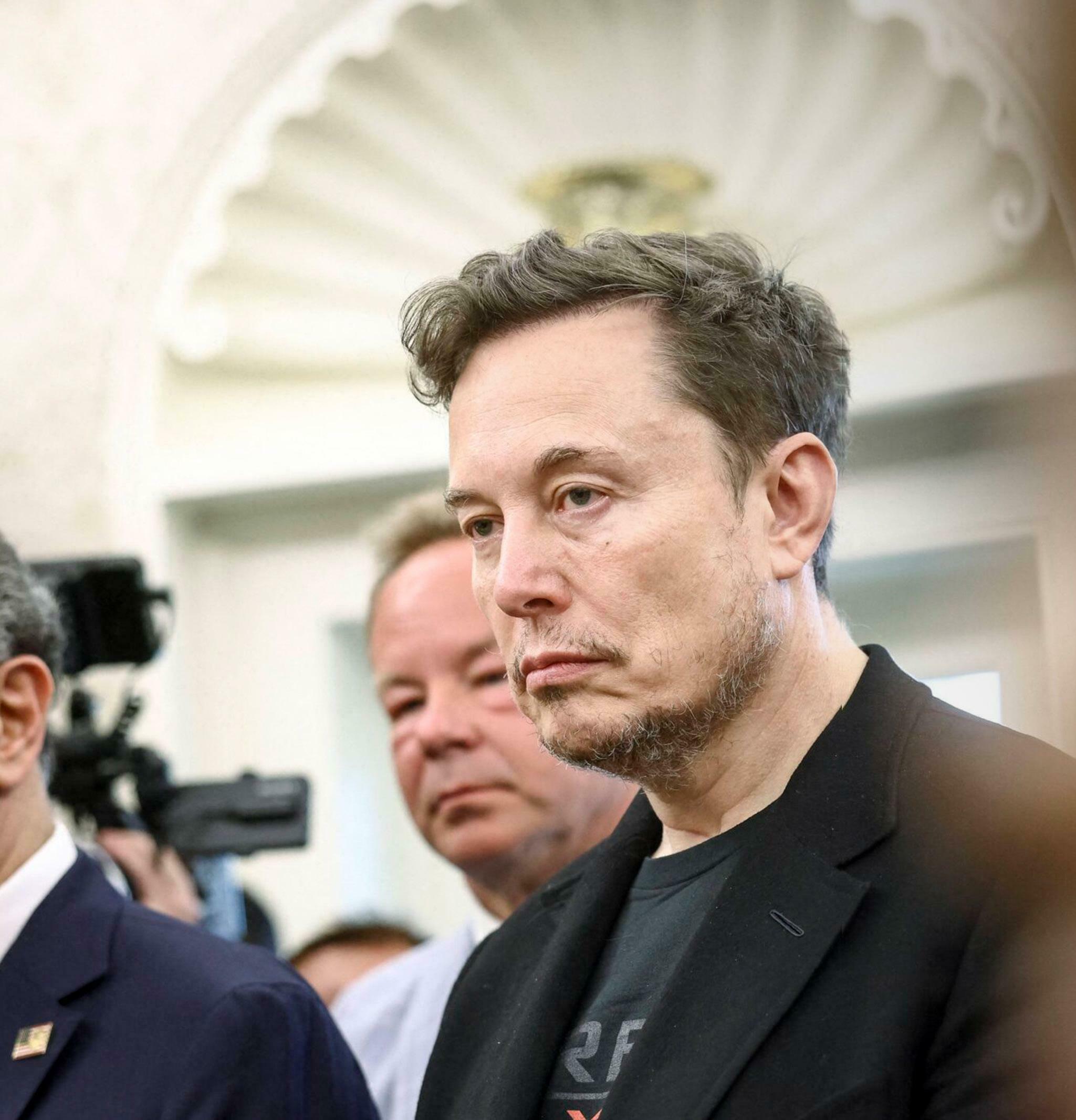
“The federal bureaucracy situation is much worse than I realized,” Elon Musk admitted earlier this week, his words carrying the weight of a man who has built rockets and electric cars but now finds himself tangled in Washington's web of red tape. Speaking to The Washington Post from SpaceX’s Starbase in South Texas, Musk revealed his growing frustration as co-leader of the U.S. Department of Government Efficiency (DOGE), a Trump administration initiative to slash federal spending. For Musk’s legion of supporters, his corporate peers, and political skeptics, this candid reflection exposes the daunting reality of reforming a sprawling government machine, testing the limits of his audacious vision.
Musk's role in DOGE, fueled by his $250 million contribution to Donald Trump's 2024 campaign, has thrust him into a high-stakes battle against entrenched interests, with lawsuits, protests, and reputational hits piling up. As he juggles SpaceX’s Starship launches and Tesla’s autonomous driving push, his struggle with bureaucracy raises questions about the feasibility of his efficiency crusade.
 A RUDE AWAKENING IN WASHINGTON
Musk's foray into federal reform began with high hopes, but the reality has been sobering. “I thought there were problems, but it sure is an uphill battle trying to improve things in D.C,” he told The Washington Post, describing a bureaucracy more resistant than he imagined.
As DOGE co-leader alongside Vivek Ramaswamy, Musk aimed to streamline government operations, targeting inefficiencies in a $6.5 trillion federal budget. Yet, he quickly found himself at odds with a system he believes wields more power than elected officials, a sentiment he voiced when noting that “people burning Teslas” in protest felt like a personal betrayal.

このストーリーは、Techlife News の May 31, 2025 版からのものです。
Magzter GOLD を購読すると、厳選された何千ものプレミアム記事や、10,000 以上の雑誌や新聞にアクセスできます。
すでに購読者ですか? サインイン
Techlife News からのその他のストーリー

Techlife News
Series 11
THE MOST REFINED LINEUP YET FOR HEALTH MONITORING & DAILY WELLNESS

4 mins
January 03, 2026

Techlife News
Vision Pro
THE NEW-GEN BRINGS IMPORTANT IMPROVEMENTS IN PROCESSING POWER & COMFORT
5 mins
January 03, 2026

Techlife News
AI Unleashed
A BROADER, DEEPER AI REVOLUTION TAKES SHAPE ACROSS INDUSTRIES
5 mins
January 03, 2026

Techlife News
NVIDIA PLANS BILLIONS FOR U.S. CHIP PRODUCTION OVER FOUR YEARS
Picture a sun-soaked stretch of Arizona desert, where a sprawling plant hums with the pulse of tomorrow's tech, silicon wafers gleaming under the watchful eyes of engineers.
3 mins
January 03, 2026

Techlife News
GOOGLE UNVEILS PROJECT SUNCATCHER TO POWER ORBITAL AI COMPUTE WITH CONCENTRATED SOLAR ENERGY
Google has revealed Project Suncatcher, an experimental initiative that reimagines how large-scale computing could evolve beyond Earth's surface.
3 mins
January 03, 2026

Techlife News
AI Actions
FINDING THE RIGHT BALANCE BETWEEN INTEGRATION, SAFETY, AND PRIVACY
7 mins
January 03, 2026

Techlife News
AirPods Pro 3
THE NEXT LEVEL OF IMMERSIVE AUDIO, NOISE CANCELLATION, AND ACTIVITY INSIGHTS
5 mins
January 03, 2026

Techlife News
AI STARTS SHAPING HOLIDAY SHOPPING AS RETAILERS INTRODUCE NEW TOOLS AND CUSTOMERS TEST THEIR LIMITS
AI systems are beginning to influence how people search, compare and buy gifts during the holiday season as retailers experiment with new recommendation models and customers look for quicker ways to navigate crowded online catalogs.
4 mins
January 03, 2026

Techlife News
Al Cinema
THE NEW ERA OF AI-GENERATED MOVIES AND SERIES STARTS NOW
5 mins
January 03, 2026

Techlife News
ELON MUSK PLEDGES HUNDREDS OF THOUSANDS OF AUTONOMOUS TESLAS ON U.S. ROADS BY 2026
Elon Musk, Tesla's visionary CEO, made a bold promise earlier this week during a CNBC interview, vowing to deploy “hundreds of thousands, if not over a million” fully self-driving Tesla vehicles across U.S. roads by the end of 2026.
4 mins
January 03, 2026
Listen
Translate
Change font size