試す 金 - 無料
What is hydroelectric energy and how does it work?
The Week Junior Science+Nature UK
|Issue 65
Find out how electricity is generated from flowing water.
-

If you’ve ever seen a river rushing down a mountain or played in breaking waves at the beach, you’ll know that moving water contains a lot of energy. A river can push you and your kayak downstream, sometimes very quickly, and waves crashing into you at the beach can knock you back, or even knock you over.
Energy in flowing water
The energy in these moving waters comes from gravity. Water travels around Earth in a water cycle (see below). Water evaporates (turns into a gas) from the surface or is released from plants (transpiration). When the released water vapour is carried up to higher altitudes – such as mountainous regions – it cools down and condenses into liquid cloud droplets. When these cloud droplets become big enough, they fall from the sky as precipitation, either as a liquid rain or – if it is cold enough – as a solid snow.

このストーリーは、The Week Junior Science+Nature UK の Issue 65 版からのものです。
Magzter GOLD を購読すると、厳選された何千ものプレミアム記事や、10,000 以上の雑誌や新聞にアクセスできます。
すでに購読者ですか? サインイン
The Week Junior Science+Nature UK からのその他のストーリー

The Week Junior Science+Nature UK
Make a smoothie bowl
Use left-over fruit and veg to whip up this breakfast treat.

1 min
May 2026
The Week Junior Science+Nature UK
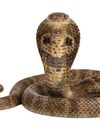
Indian snakes travel by train
King cobras - the world's longest venomous snakes - are slithering on board trains across India, researchers have revealed.
1 min
May 2026
The Week Junior Science+Nature UK
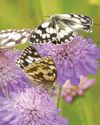
Carr House Meadows
The UK's wildflower meadows are often brimming with life, colour and sound. As these habitats are full of plant and animal species, they are very precious.
1 min
May 2026
The Week Junior Science+Nature UK
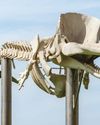
Did dragons ever exist?
These fire-breathing monsters have been flying into stories for centuries.
2 mins
May 2026

The Week Junior Science+Nature UK
Should big species return to the UK?
Would you be happy about large animals roaming our countryside - including predators?
1 mins
May 2026

The Week Junior Science+Nature UK
SAVING CORAL REEFS
Find out how scientists, conservationists and imaging experts are joining forces to discover more about corals and bring reefs back to life.
1 mins
May 2026
The Week Junior Science+Nature UK
THE SECRET LIFE OF BEES
Step into a miniature world that quite literally buzzes with life.
1 min
May 2026
The Week Junior Science+Nature UK
Windermere Science Festival
On 9 and 10 May, Windermere Science Festival returns to Windermere Jetty Museum. Get ready for science-themed family fun, including roving robots and awesome virtual reality.
1 min
May 2026

The Week Junior Science+Nature UK
Aneeshwar Kunchala
Hear from a young TV star about his new series and his ambition to save wildlife.
3 mins
May 2026

The Week Junior Science+Nature UK
WORLD'S OLDEST COCKATIEL
Sonny, a family pet living in the US state of Illinois, has been officially recognised as the oldest of his species.
1 min
May 2026
Translate
Change font size