試す 金 - 無料
Do animals have bogies?
The Week Junior Science+Nature UK
|December 2025
From salty sneezes to bird bogies, discover why snot is so important.
-
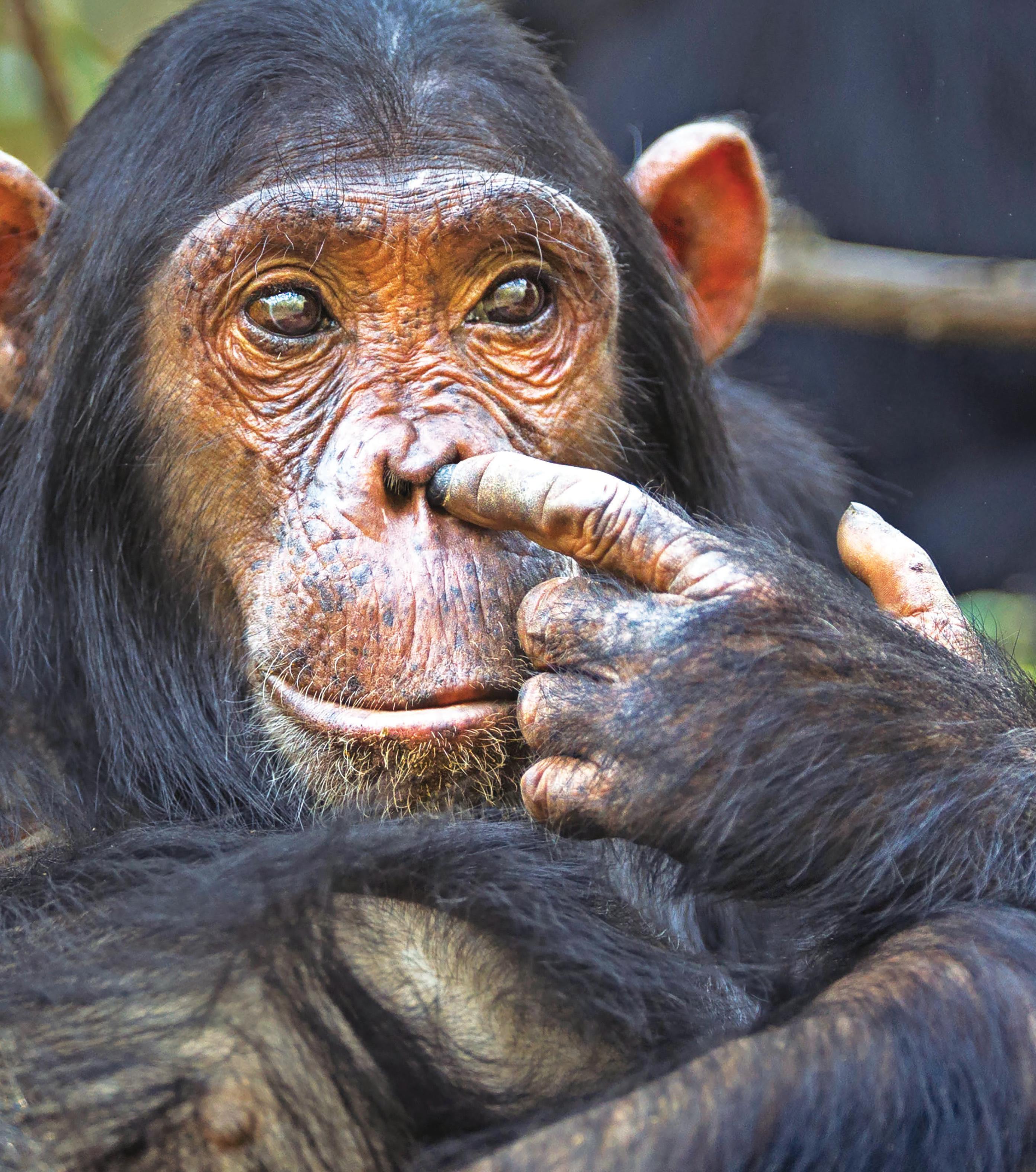
Bogies – or boogers as they are known in some countries B— are made from dried nasal mucus. You probably call this slimy stuff “snot”. It is produced inside your nose and is really important as it helps to trap dirt, germs and other nasty things. This stops nasty stuff from going into your body, causing damage and making you ill. Snot also has antibodies in it, produced by white blood cells that help your body to fight infections. So, snot is super-useful for protecting your body.
Snot power
Snot is also vital to help animals smell things. The mucus traps tiny scent particles, which are then transported to special smell receptors in the nose. These help identify different odours such as food, which is especially important to help wild animals survive.
Some animals have an amazing sense of smell – much better than yours. Elephants, for example, sniff out food and water, detect predators and even recognise their family using their sense of smell. Like you, however, when animals have a cold, a lot more snot is produced and this interrupts their ability to smell things properly.
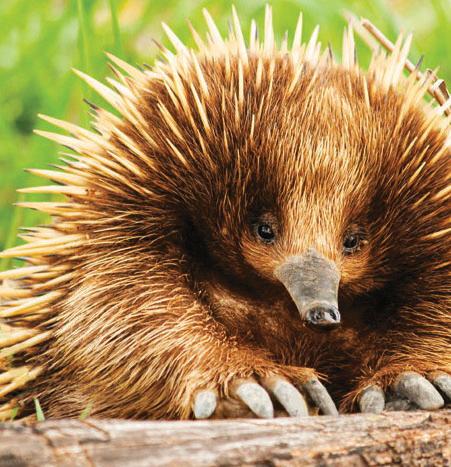 Which animals make snot?

このストーリーは、The Week Junior Science+Nature UK の December 2025 版からのものです。
Magzter GOLD を購読すると、厳選された何千ものプレミアム記事や、10,000 以上の雑誌や新聞にアクセスできます。
すでに購読者ですか? サインイン
The Week Junior Science+Nature UK からのその他のストーリー
The Week Junior Science+Nature UK
ANIMAL ISLANDS
Hop aboard as Daisy Dobrijevic sets sail to discover the world's most unusual beasts.

5 mins
March 2026

The Week Junior Science+Nature UK
Wildlife watch
Take a walk on the wild side with Jenny Ackland.
1 mins
March 2026

The Week Junior Science+Nature UK
Pushmeet Kohli
Meet the tech genius who trains the smart computers that are changing your world.
3 mins
March 2026

The Week Junior Science+Nature UK
New map reveals secrets hidden under Antarctic ice
A new map of Antarctica has A revealed thousands of hills Are revealed thousands of hills and valleys buried under its thick layers of ice.
1 min
March 2026

The Week Junior Science+Nature UK
Why do dolphins jump out of the water?
Discover what makes these graceful ocean mammals leap for joy.
2 mins
March 2026

The Week Junior Science+Nature UK
Ancient fish had four eves
Ancient vertebrates (animals that have backbones) had four eyes that worked a lot like ours, new research shows.
1 min
March 2026
The Week Junior Science+Nature UK
How? What? Why?
Set your curiosity free as Mike Rampton explains how asking questions changes the world.
5 mins
March 2026

The Week Junior Science+Nature UK
Bye-bye bitter grapefruits
Scientists have found a way to make grapefruits less bitter.
1 min
March 2026
The Week Junior Science+Nature UK
Spreading seeds of hope
Meet the scientists who are using drones to seed lost landscapes.
1 mins
March 2026
The Week Junior Science+Nature UK
Udderly brilliant cow seen using tools
A talented Austrian cow has shecked researchers by using both ends of a broom as a grooming tool.
1 min
March 2026
Listen
Translate
Change font size