試す 金 - 無料
WHAT ARE ULTRAPROCESSED FOODS?
How It Works UK
|Issue 190
Some natural products are drastically transformed by the food industry, and regularly eating them can affect our health

Many of the foods you prepare at home are likely to go through some processing, whether that be freezing, cutting, canning or cooking. Each act changes the chemistry of the food’s molecules in some way. However, ultra-processed foods are those that undergo industrial-style processes far exceeding what you can do in your own kitchen. They are the types of food that encourage excessive eating – ‘hyper palatable’ foods like ice cream, sausages and biscuits. Ultra-processed products often have more sugar and other ingredients that your brain can quickly become addicted to.
Natural foods, like fruit, can change in taste and consistency as they ripen and grow. However, ultra-processed foods often have added chemicals and artificial flavours that prolong their shelf life. Ultimately, ultra processed foods are designed for a palatable experience, with less consideration for the impact the product has upon entering the body. Heavily processed foods can be transformed into a large variety of products. In the meat industry, ultra-processing can assist in reducing waste, like scraps of meat that aren’t so easily removed from the bone.
Products like hot dogs include mechanically separated meat, which involves specialised machines that can retrieve otherwise discarded trimmings of chicken, beefor pork that are ground to an even consistency and blended together into a thick paste. Chemicals are added to evenly flavour the mixture and hold the paste together before the paste is used to fill long, thin cases – such as animal intestines – to mould into a sausage shape. Heat and additives remove much of the beneficial nutrients of the meat and colouring is often added to encourage people to eat it.


このストーリーは、How It Works UK の Issue 190 版からのものです。
Magzter GOLD を購読すると、厳選された何千ものプレミアム記事や、10,000 以上の雑誌や新聞にアクセスできます。
すでに購読者ですか? サインイン
How It Works UK からのその他のストーリー

How It Works UK
FORMULA FAST
YOUR ULTIMATE GUIDE TO FORMULA ONE RACING

1 mins
Issue 212
How It Works UK
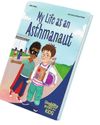
MY LIFE AS AN ASTHMANAUT
A CHILDREN'S BOOK ABOUT ASTHMA
1 min
Issue 212

How It Works UK
LYDIA LOVES BUGS
A SHORT AND SWEET STORY OF AN ENTHUSIASTIC ENTOMOLOGIST
1 min
Issue 212

How It Works UK
INSIDE A DRONE
Drones aren't just for the military any more. These flying marvels are now taking over our lives
3 mins
Issue 212
How It Works UK
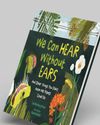
WE CAN HEAR WITHOUT EARS
AND OTHER THINGS YOU DIDN'T KNOW WE PLANTS COULD DO
1 min
Issue 212

How It Works UK
DO GEESE GET GOOSEBUMPS?
Many animals experience a similar reaction when they feel cold or scared
2 mins
Issue 212

How It Works UK
SUBMARINES WITHOUT SAILORS
Dive into the world of autonomous submarines and discover the mission that will see one sail around the world
4 mins
Issue 212
How It Works UK
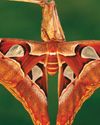
WHAT HAPPENS INSIDE A COCOON?
How certain species of insects transform from crawling caterpillars to flying moths and butterflies
3 mins
Issue 212

How It Works UK
HOW THE ROSE LOST ITS SCENT
From floral to fragranceless, there's a biological reason behind a rose's missing odour today
3 mins
Issue 212
How It Works UK
How many insects have been discovered so far?
The total number of named species is around a million.
7 mins
Issue 212
Listen
Translate
Change font size