試す 金 - 無料
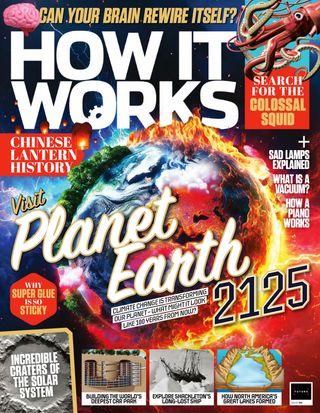
Visit Plane Earth 2125
How It Works UK
|Issue 198
How might our world have transformed under the strain of climate change 100 years from now?
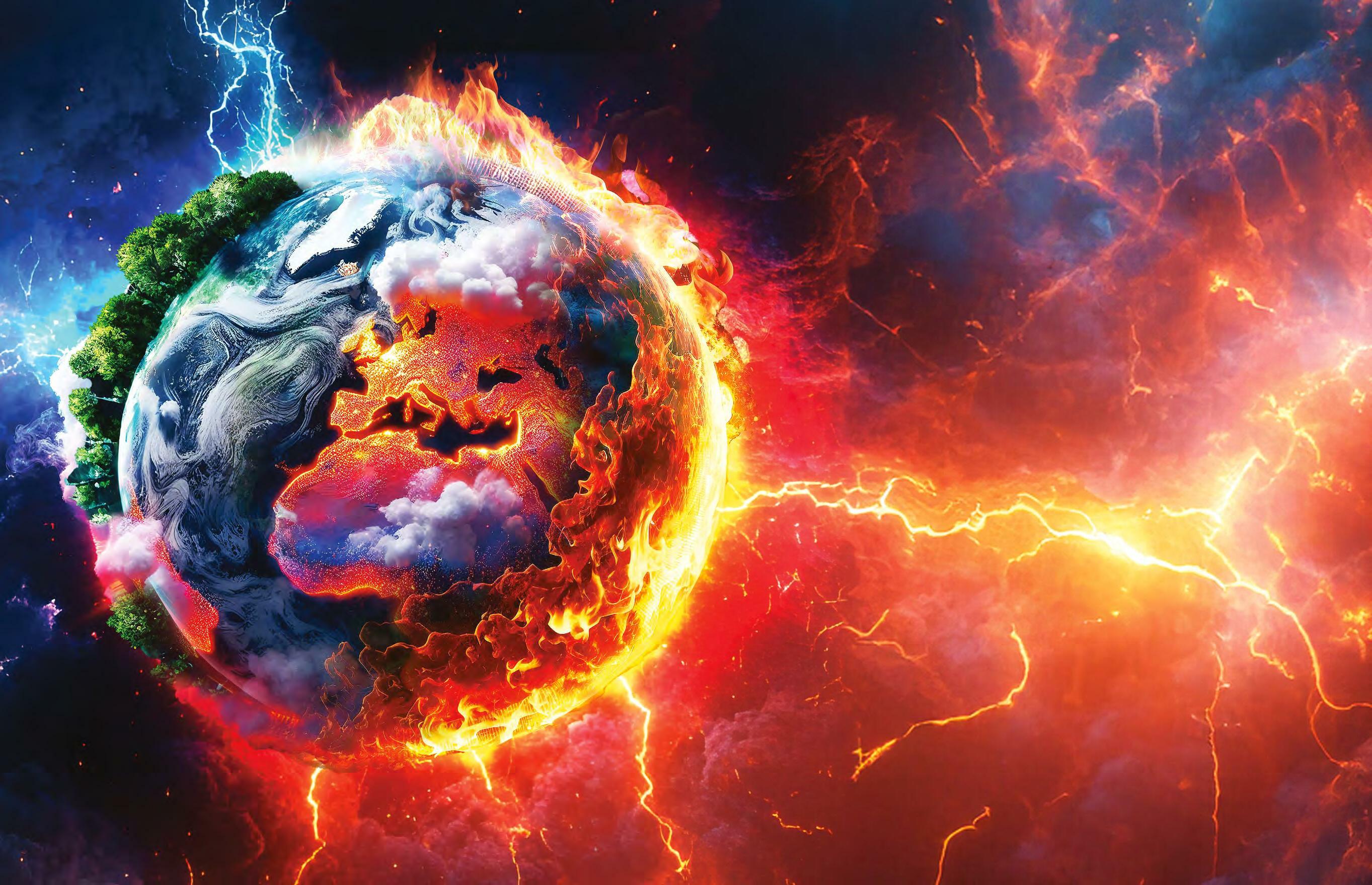
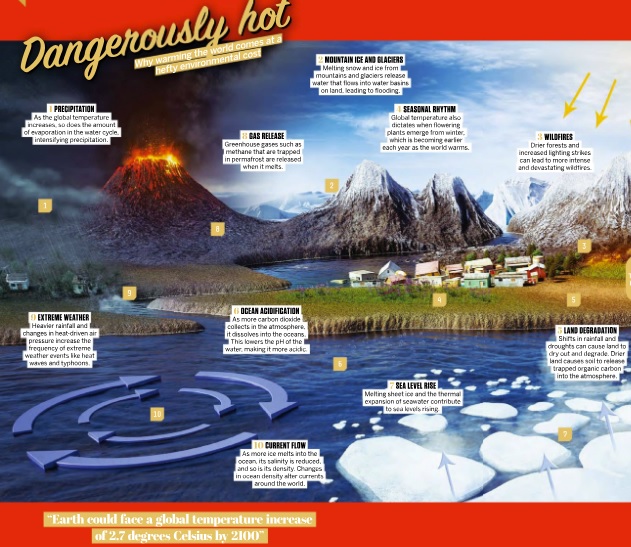
A century ago, our planet was a much cooler place - around one degree Celsius cooler, to be exact. However, since the start of the Industrial Revolution in the late-18th century, Earth has been getting much hotter. The invention of fossil fuel-guzzling machines, such as internal combustion engines and steam trains, has propelled the planet into a new technological era, but has also set it on a trajectory of self-destruction. As a byproduct of early industrialisation, the atmosphere has been saturated by a global outpouring of toxic pollutants called greenhouse gases.
One of the most damaging greenhouse gases is carbon dioxide, which acts like an atmospheric blanket, wrapping Earth in its cosy embrace. In 2023, the global output for carbon dioxide was 37.4 gigatonnes, growing 1.1 per cent from the previous year. However, when the insulating carbon dioxide blanket gets too thick, many of Earth's natural processes fall out of balance, leading to extreme weather events like raging wildfires and rising sea levels - just two of the many ways climate change alters the world.
And global warming can be a vicious cycle: as a result of global temperatures rising, the world's ice and snow are melting. Since the 1900s, the rate of decline of global ice has risen by 57 per cent. This has a direct effect on our planet's ability to deflect the heat of the Sun's rays, known as the albedo effect. Light-coloured surfaces on our planet, such as snow and ice, reflect solar radiation, while dark colours absorb it, along with its heat. The less ice and snow available to reflect solar radiation, the more heat that's absorbed, which leads to further warming.

このストーリーは、How It Works UK の Issue 198 版からのものです。
Magzter GOLD を購読すると、厳選された何千ものプレミアム記事や、10,000 以上の雑誌や新聞にアクセスできます。
すでに購読者ですか? サインイン
How It Works UK からのその他のストーリー

How It Works UK
FORMULA FAST
YOUR ULTIMATE GUIDE TO FORMULA ONE RACING

1 mins
Issue 212
How It Works UK
MY LIFE AS AN ASTHMANAUT
A CHILDREN'S BOOK ABOUT ASTHMA
1 min
Issue 212

How It Works UK
LYDIA LOVES BUGS
A SHORT AND SWEET STORY OF AN ENTHUSIASTIC ENTOMOLOGIST
1 min
Issue 212

How It Works UK
INSIDE A DRONE
Drones aren't just for the military any more. These flying marvels are now taking over our lives
3 mins
Issue 212
How It Works UK
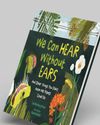
WE CAN HEAR WITHOUT EARS
AND OTHER THINGS YOU DIDN'T KNOW WE PLANTS COULD DO
1 min
Issue 212

How It Works UK
DO GEESE GET GOOSEBUMPS?
Many animals experience a similar reaction when they feel cold or scared
2 mins
Issue 212
How It Works UK
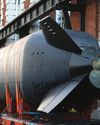
SUBMARINES WITHOUT SAILORS
Dive into the world of autonomous submarines and discover the mission that will see one sail around the world
4 mins
Issue 212
How It Works UK
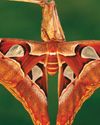
WHAT HAPPENS INSIDE A COCOON?
How certain species of insects transform from crawling caterpillars to flying moths and butterflies
3 mins
Issue 212

How It Works UK
HOW THE ROSE LOST ITS SCENT
From floral to fragranceless, there's a biological reason behind a rose's missing odour today
3 mins
Issue 212
How It Works UK
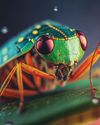
How many insects have been discovered so far?
The total number of named species is around a million.
7 mins
Issue 212
Listen
Translate
Change font size