試す 金 - 無料
Is Voyager 1 in interstellar space now?
How It Works UK
|Issue 203
Yes. After a 47-year journey out of the Solar System, Voyager 1 has left the heliosphere - the region dominated by particles flowing out from the Sun in the solar wind.
-
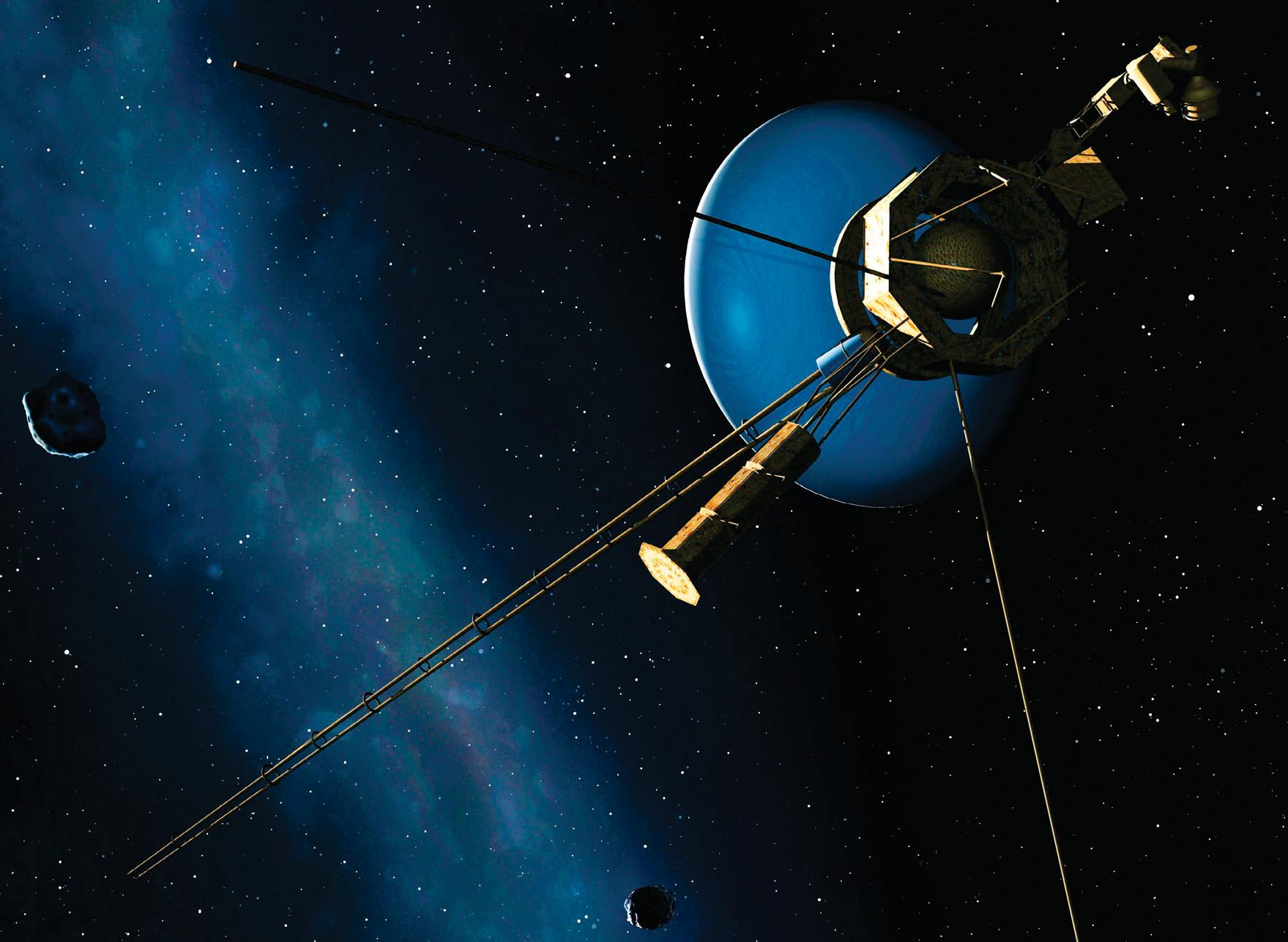
Scientists think it achieved this landmark around August 2012, when its detectors began to pick up increasing numbers of cosmic rays, which are high-speed particles from distant stars and galaxies. This indicates that it has crossed the heliopause - the boundary between the heliosphere and the interstellar medium – and is now drifting through a turbulent region just beyond the Sun's protective bubble.
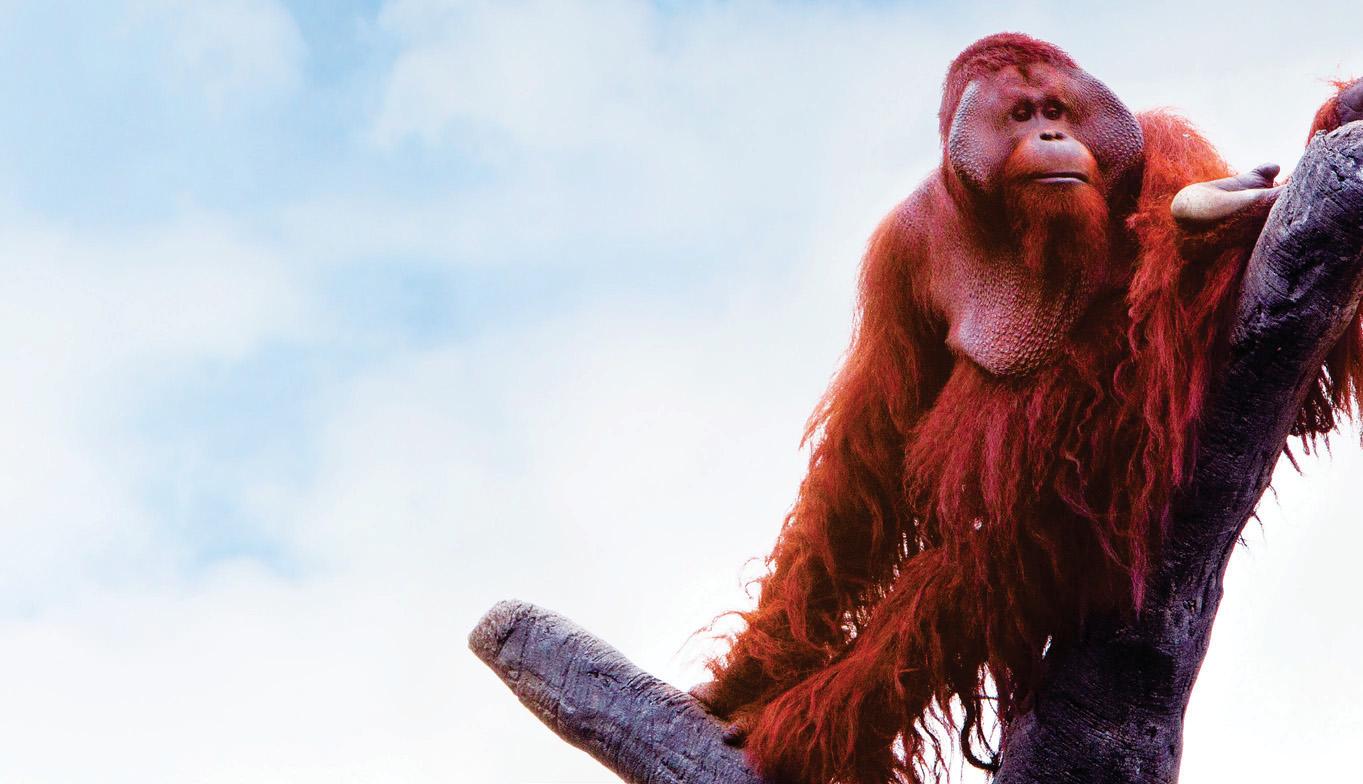 WHEN IS A SPECIES CLASSED AS ENDANGERED?
The International Union for the Conservation of Nature (IUCN) maintains a 'Red List' of the world's endangered species. There are seven categories that range from Least Concern, through to Near Threatened, Vulnerable, Endangered, Critically Endangered, Extinct in the Wild and finally Extinct. Endangered species face a 'very high risk of extinction in the near future'. This takes into account the number of animals left, as well as their rate of decline and geographical distribution. Just under 170,000 of over 2 million known species are assessed each year. There are at least 38,500 species currently under threat, with over 16,300 considered endangered.
 WHY DO MARTIAL ARTS HAVE BELT COLOURS?
Judo was the first martial art to award a 'black belt', introduced by its founder Kanō Jigorō. He was inspired by Japan's high-school swimming, where advanced students wore black ribbons. The other colours were introduced as a motivation tool by Mikinosuke Kawaishi, and this became so successful that other styles followed.
 WHEN WERE CONTACT LENSES INVENTED?

このストーリーは、How It Works UK の Issue 203 版からのものです。
Magzter GOLD を購読すると、厳選された何千ものプレミアム記事や、10,000 以上の雑誌や新聞にアクセスできます。
すでに購読者ですか? サインイン
How It Works UK からのその他のストーリー

How It Works UK
FORMULA FAST
YOUR ULTIMATE GUIDE TO FORMULA ONE RACING

1 mins
Issue 212
How It Works UK
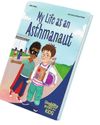
MY LIFE AS AN ASTHMANAUT
A CHILDREN'S BOOK ABOUT ASTHMA
1 min
Issue 212
How It Works UK
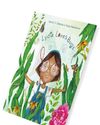
LYDIA LOVES BUGS
A SHORT AND SWEET STORY OF AN ENTHUSIASTIC ENTOMOLOGIST
1 min
Issue 212
How It Works UK
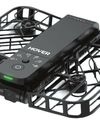
INSIDE A DRONE
Drones aren't just for the military any more. These flying marvels are now taking over our lives
3 mins
Issue 212
How It Works UK
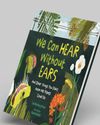
WE CAN HEAR WITHOUT EARS
AND OTHER THINGS YOU DIDN'T KNOW WE PLANTS COULD DO
1 min
Issue 212
How It Works UK
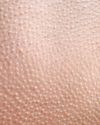
DO GEESE GET GOOSEBUMPS?
Many animals experience a similar reaction when they feel cold or scared
2 mins
Issue 212
How It Works UK
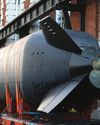
SUBMARINES WITHOUT SAILORS
Dive into the world of autonomous submarines and discover the mission that will see one sail around the world
4 mins
Issue 212
How It Works UK
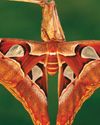
WHAT HAPPENS INSIDE A COCOON?
How certain species of insects transform from crawling caterpillars to flying moths and butterflies
3 mins
Issue 212

How It Works UK
HOW THE ROSE LOST ITS SCENT
From floral to fragranceless, there's a biological reason behind a rose's missing odour today
3 mins
Issue 212
How It Works UK
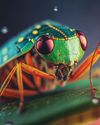
How many insects have been discovered so far?
The total number of named species is around a million.
7 mins
Issue 212
Listen
Translate
Change font size