試す 金 - 無料
How do astronauts prepare for a spacewalk?
How It Works UK
|Issue 211
Preparing for a spacewalk takes about a day.
-

Before astronauts step out, they need to go through a process called decompression. As there's no air pressure in space, spacesuits are pressurised at about a third of the air pressure inside the spacecraft. This both protects the astronauts and allows them to manoeuvre outside. Before they don the suit, the air pressure in the cabin is lowered and the oxygen levels are slightly raised. If an astronaut just stepped outside, they could suffer serious illness or even death due to decompression sickness. Also called 'the bends', this occurs when nitrogen bubbles expand and quickly escape into the bloodstream due to a rapid decrease in air pressure. The decompression process allows the nitrogen to dissipate. A few hours before the spacewalk, the astronauts begin pre-breathing pure oxygen, which is what they'll breathe inside their spacesuits. Then they step into the airlock and put on their full suit, where the pressure inside slowly decreases until it's time to step outside of the spacecraft.
WHEN DOES THE HUMAN BRAIN PERFORM BEST?
Everyone is different, but most people’s brains perform best at the end of the morning. Body temperature increases after we wake up, leading to a peak in concentration and memory from around 11:00 to noon.
WHAT CAUSES A BLOOD MOON?
All total lunar eclipses can be 'blood moons'. The filtering and refraction of sunlight entering Earth's atmosphere can cause the full Moon to appear anywhere from coppery to a deep 'bloody' red. The last one occurred on 7 September 2025 and was visible across Europe, Africa, Asia and Australia. The next will occur on 3 March 2026. In 2032 and 2033, we will see a lunar tetrad, or four successive total lunar eclipses separated by six lunar months – six full Moons.
WHY IS FIRE ORANGE?


このストーリーは、How It Works UK の Issue 211 版からのものです。
Magzter GOLD を購読すると、厳選された何千ものプレミアム記事や、10,000 以上の雑誌や新聞にアクセスできます。
すでに購読者ですか? サインイン
How It Works UK からのその他のストーリー

How It Works UK
FORMULA FAST
YOUR ULTIMATE GUIDE TO FORMULA ONE RACING

1 mins
Issue 212
How It Works UK
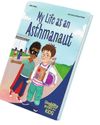
MY LIFE AS AN ASTHMANAUT
A CHILDREN'S BOOK ABOUT ASTHMA
1 min
Issue 212

How It Works UK
LYDIA LOVES BUGS
A SHORT AND SWEET STORY OF AN ENTHUSIASTIC ENTOMOLOGIST
1 min
Issue 212

How It Works UK
INSIDE A DRONE
Drones aren't just for the military any more. These flying marvels are now taking over our lives
3 mins
Issue 212

How It Works UK
WE CAN HEAR WITHOUT EARS
AND OTHER THINGS YOU DIDN'T KNOW WE PLANTS COULD DO
1 min
Issue 212
How It Works UK
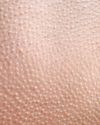
DO GEESE GET GOOSEBUMPS?
Many animals experience a similar reaction when they feel cold or scared
2 mins
Issue 212
How It Works UK
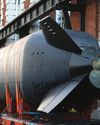
SUBMARINES WITHOUT SAILORS
Dive into the world of autonomous submarines and discover the mission that will see one sail around the world
4 mins
Issue 212
How It Works UK
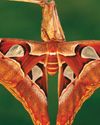
WHAT HAPPENS INSIDE A COCOON?
How certain species of insects transform from crawling caterpillars to flying moths and butterflies
3 mins
Issue 212

How It Works UK
HOW THE ROSE LOST ITS SCENT
From floral to fragranceless, there's a biological reason behind a rose's missing odour today
3 mins
Issue 212
How It Works UK
How many insects have been discovered so far?
The total number of named species is around a million.
7 mins
Issue 212
Listen
Translate
Change font size