試す 金 - 無料
HOW DINOSAURS BECAME BIRDS
How It Works UK
|Issue 206
Dinosaurs were prehistoric egg-laying reptiles that went extinct millions of years ago, but their survivors still live among us
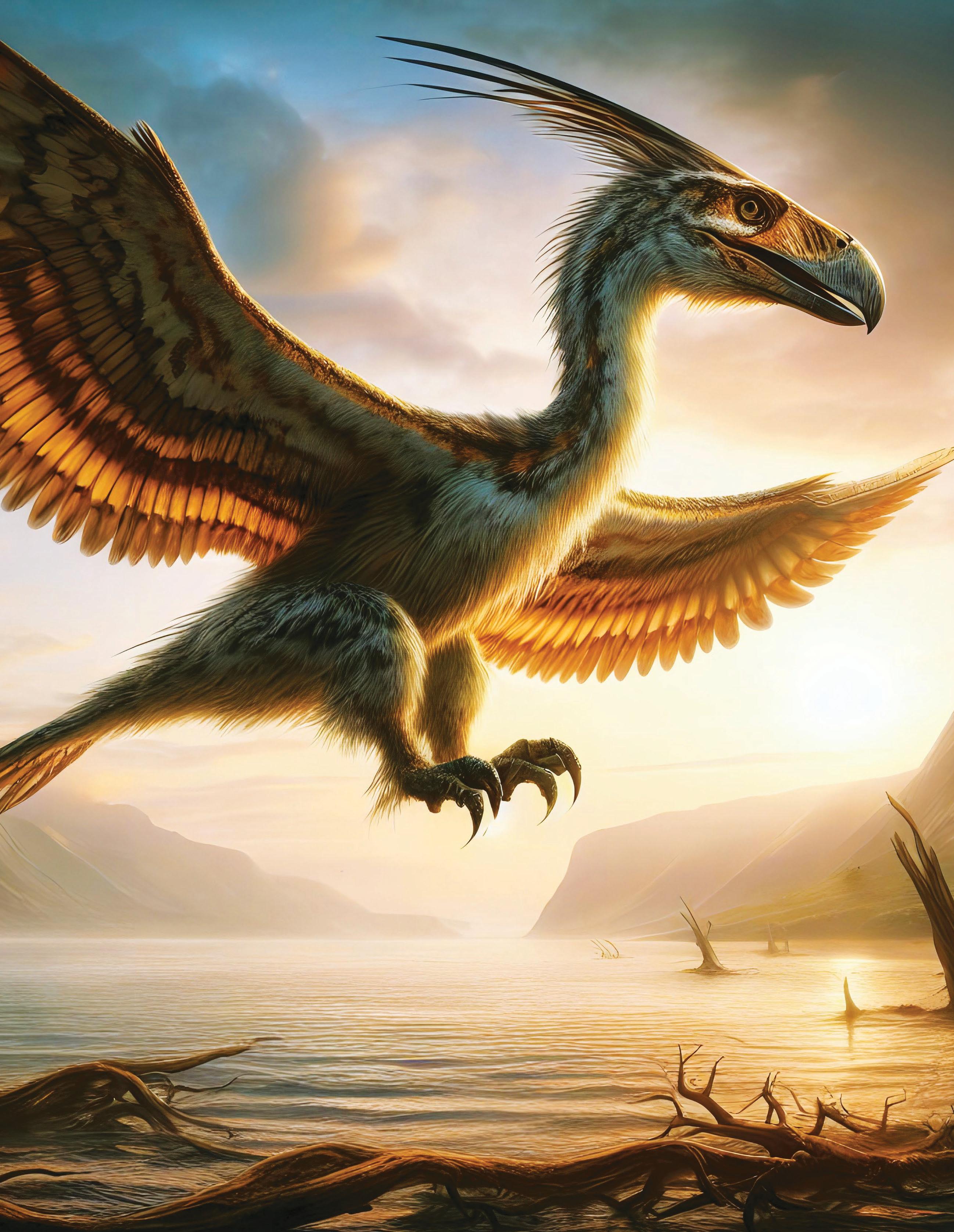
Over 66 million years ago, unfamiliar animals dominated the Earth, some growing to impressive heights of over 30 metres. The dinosaurs were captivating creatures, in part due to their size, power and strength. When you observe a robin gracefully flittering about your garden, it seems unlikely that they could be related. Palaeontologists are gathering information about the dinosaurs with every new fossil retrieved from the ground, and as more species are discovered, it becomes more apparent how diverse the dinosaurs were. All modern birds descended from a group of theropod dinosaurs called the maniraptoran theropods. These animals were relatively small, ranging from pigeon-sized to ten metres tall. Crucially, dinosaurs evolved into modern birds before the Cretaceous-Paleogene mass extinction event that wiped out the dinosaurs 66 million years ago. The earliest modern birds lived alongside the dinosaurs, and it was this less significant group of animals that outlived their mighty relatives.
One of the key evolutionary stages to the survival of some dinosaurs was when they learned to fly. This happened around 150 million years ago in the Jurassic period. The two main theories of how dinosaurs took to the air are the ‘ground-up’ theory and the ‘trees-down’ theory. The ground-up theory states that fast, ground-dwelling theropod dinosaurs with feathered arms flapped their wings while running at high speeds in order to lift themselves up into the air. Alternatively, the trees-down theory is that tree-dwelling dinosaurs used their wings for gliding. While they couldn't remain airborne for long periods, they could return to the ground and soar through the trees.

このストーリーは、How It Works UK の Issue 206 版からのものです。
Magzter GOLD を購読すると、厳選された何千ものプレミアム記事や、10,000 以上の雑誌や新聞にアクセスできます。
すでに購読者ですか? サインイン
How It Works UK からのその他のストーリー
How It Works UK
FORMULA FAST
YOUR ULTIMATE GUIDE TO FORMULA ONE RACING

1 mins
Issue 212
How It Works UK
MY LIFE AS AN ASTHMANAUT
A CHILDREN'S BOOK ABOUT ASTHMA
1 min
Issue 212
How It Works UK
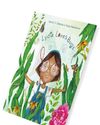
LYDIA LOVES BUGS
A SHORT AND SWEET STORY OF AN ENTHUSIASTIC ENTOMOLOGIST
1 min
Issue 212
How It Works UK
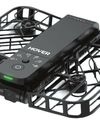
INSIDE A DRONE
Drones aren't just for the military any more. These flying marvels are now taking over our lives
3 mins
Issue 212
How It Works UK
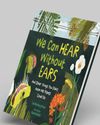
WE CAN HEAR WITHOUT EARS
AND OTHER THINGS YOU DIDN'T KNOW WE PLANTS COULD DO
1 min
Issue 212
How It Works UK
DO GEESE GET GOOSEBUMPS?
Many animals experience a similar reaction when they feel cold or scared
2 mins
Issue 212
How It Works UK
SUBMARINES WITHOUT SAILORS
Dive into the world of autonomous submarines and discover the mission that will see one sail around the world
4 mins
Issue 212
How It Works UK
WHAT HAPPENS INSIDE A COCOON?
How certain species of insects transform from crawling caterpillars to flying moths and butterflies
3 mins
Issue 212

How It Works UK
HOW THE ROSE LOST ITS SCENT
From floral to fragranceless, there's a biological reason behind a rose's missing odour today
3 mins
Issue 212
How It Works UK
How many insects have been discovered so far?
The total number of named species is around a million.
7 mins
Issue 212
Listen
Translate
Change font size